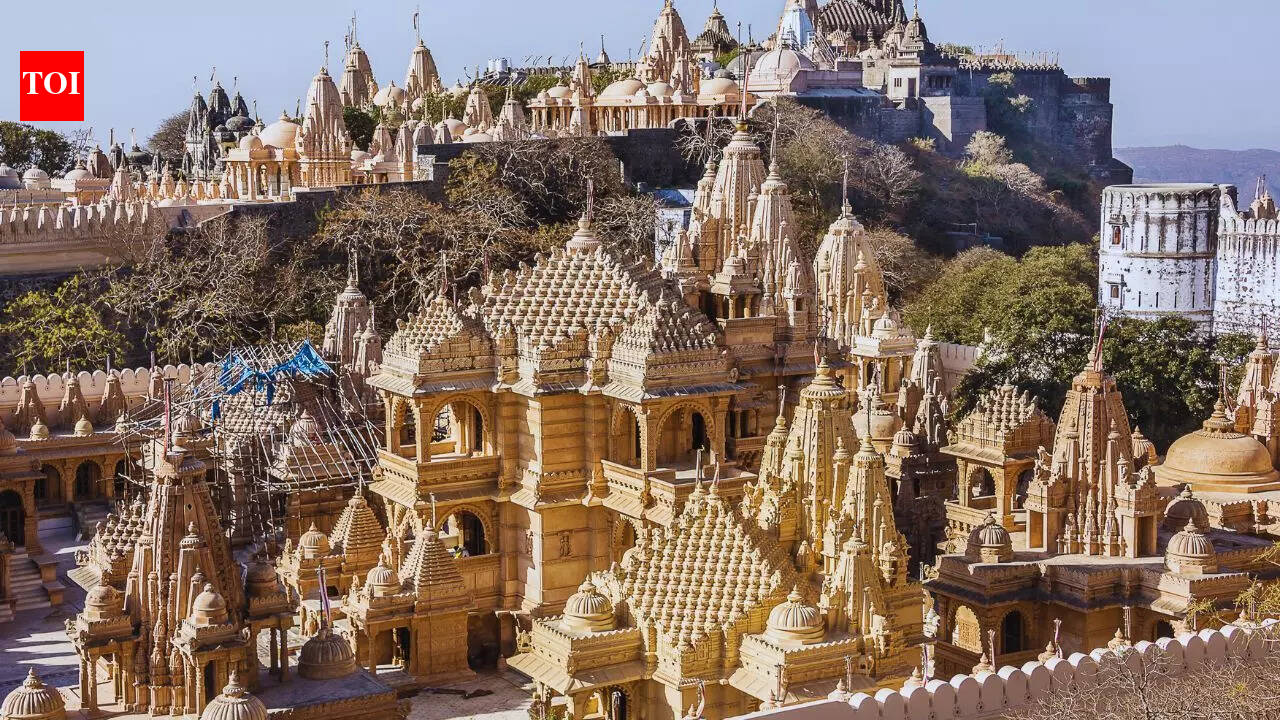
This is a place of peace and self reflection. At first glance, Palitana may appear like a silent town. Situated in Gujarat’s Bhavnagar district, the town has a beautiful backdrop. Rising above is a revered mountain defying the meaning of modern travel and life. This hill is known as Shatrunjaya Hill. In addition to being naturally blessed, the hill is crowned with over 900 exquisitely carved temples, most of them made of marble. These temples shine under the sun, and that’s why Palitana is also known as the “City of Temples in Marble.”This hill is counted among the holiest pilgrimage sites in Jainism but that’s not what makes it unique. The most unique part lies in the rule found nowhere else across the globe, which is; no one is allowed to stay on the mountain after the sun goes down. After sunset, the hill goes completely silent. As soon as the sun descends, every single person including priests, pilgrims, and caretakers leave the hill. The hill rests in complete silence until dawn. It’s a centuries-old tradition which sets Palitana apart from other places.
Why such rule: No one sleeps on the mountain
Canva
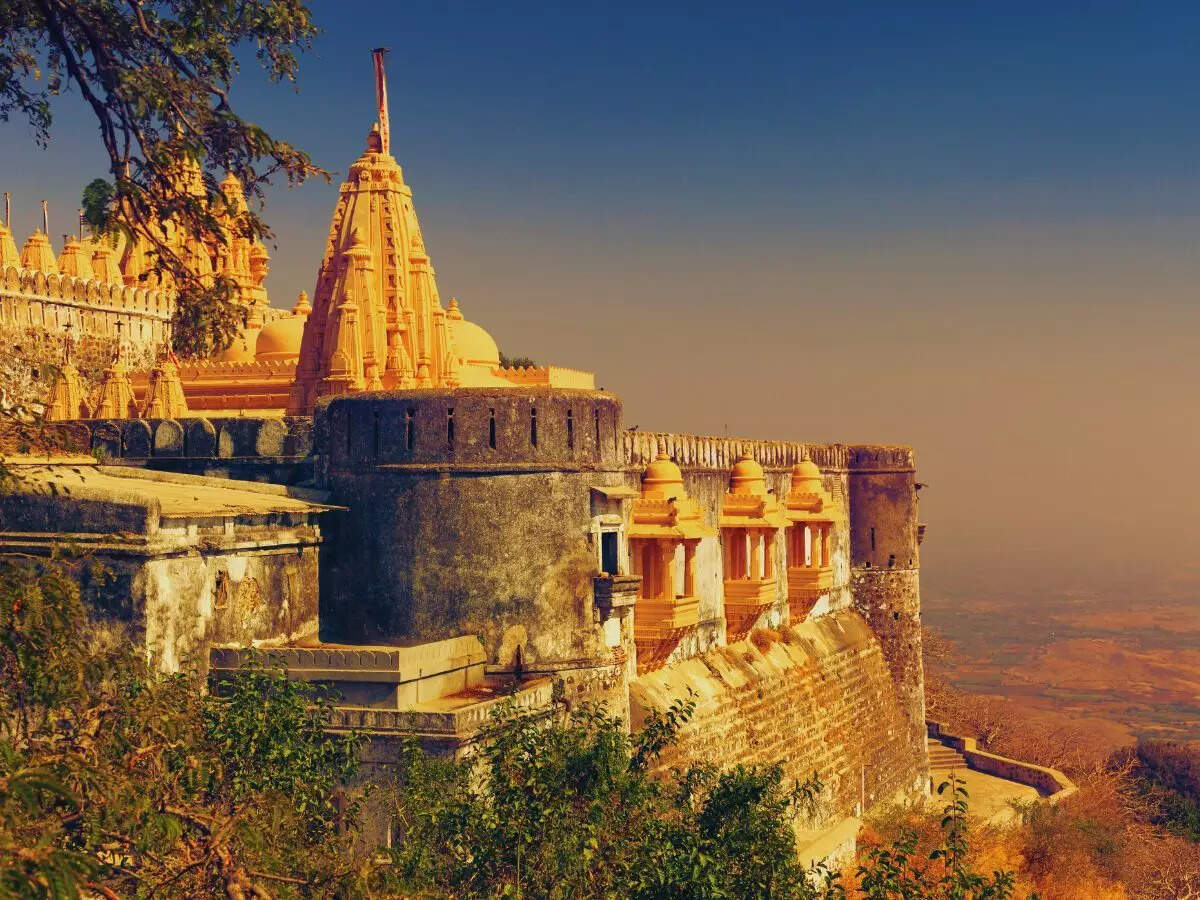
Shatrunjaya Hill is said to be a place where 23 of the 24 Jain Tirthankaras got enlightenment. And every temple here is dedicated to a different Tirthankara or spiritual teacher. The rule of no one can sleep on the mountain after the sunset is rooted in Jain philosophy. The philosophy of non-violence (ahimsa) in its purest form can be seen here. After sunset, the risk of harming living organisms increases and to make sure that doesn’t happen, staying behind after the sunset is banned. This makes Shatrunjaya Hill the only mountain in the world where permanent habitation is forbidden.
How to reach Shatrunjaya Hill
Canva
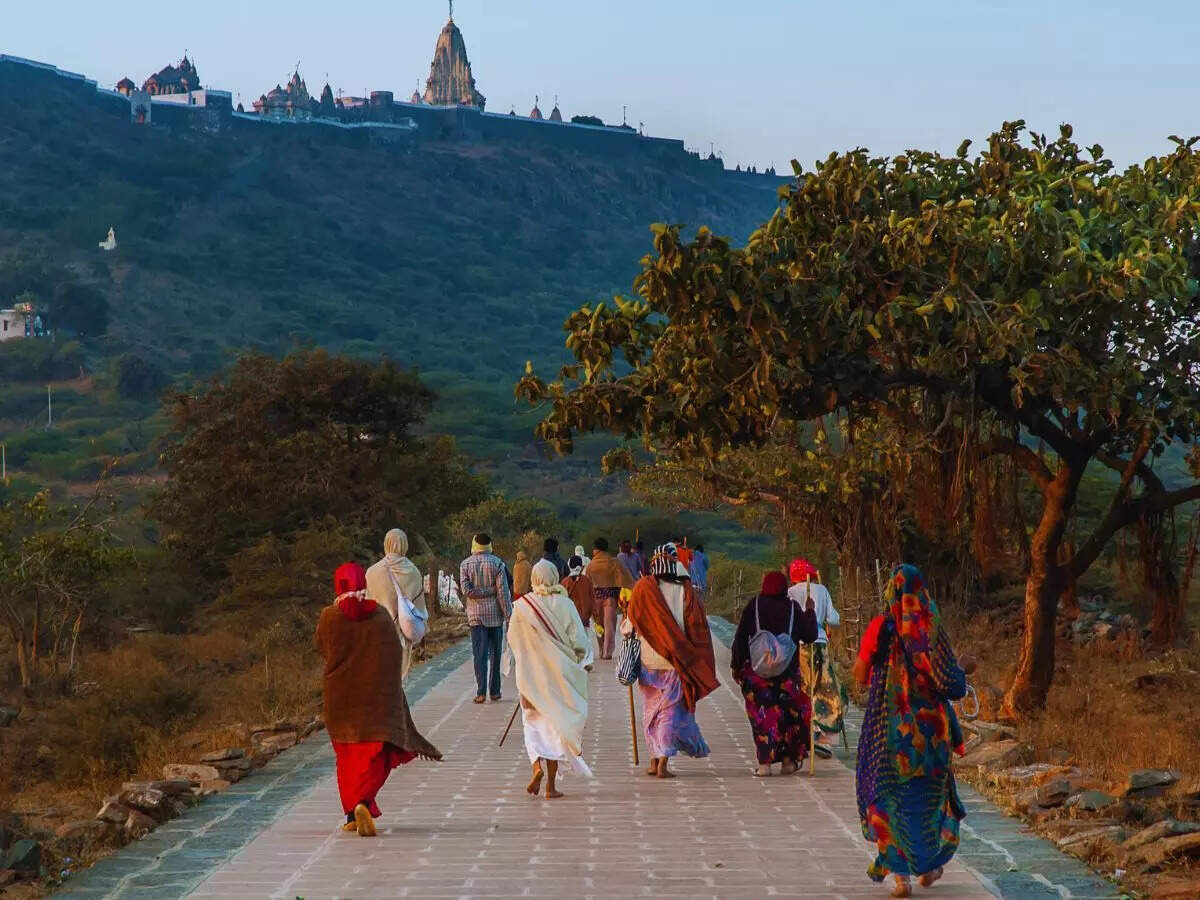
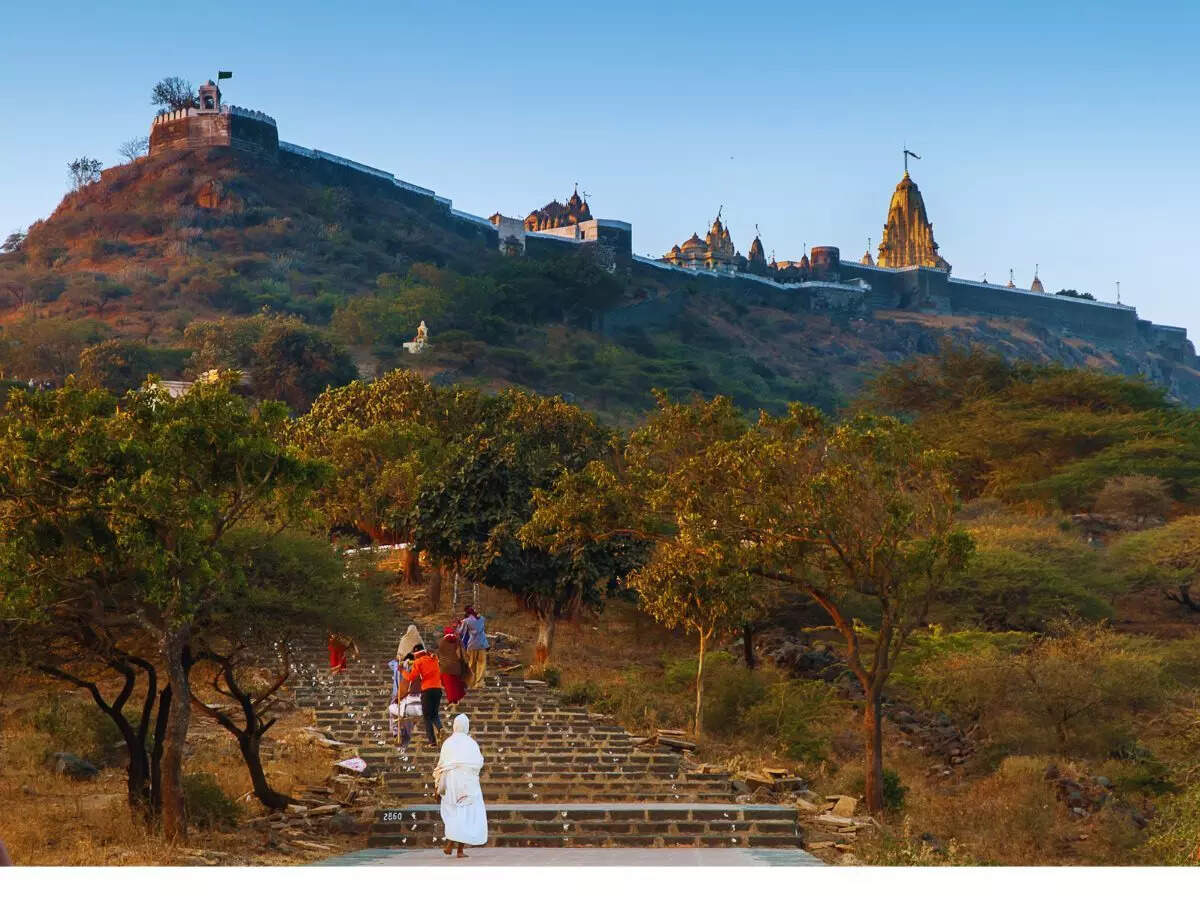
Reaching the summit is a pilgrimage in itself. Devotees need to climb some 3,800 stone steps to reach the top which shows a powerful act of spirituality and devotion. For travellers, it is a rewarding challenge with views of a lifetime. The climb starts before sunrise as it’s a time taking sojourn. Enroute, there are rest stops, water points, and viewpoints. For people who can’t climb, doli (palanquin) services are available. The temples appearing slowly from the mist is a surreal experience. It’s a feeling of suspension between earth and sky.
Top attractions at Palitana
Canva
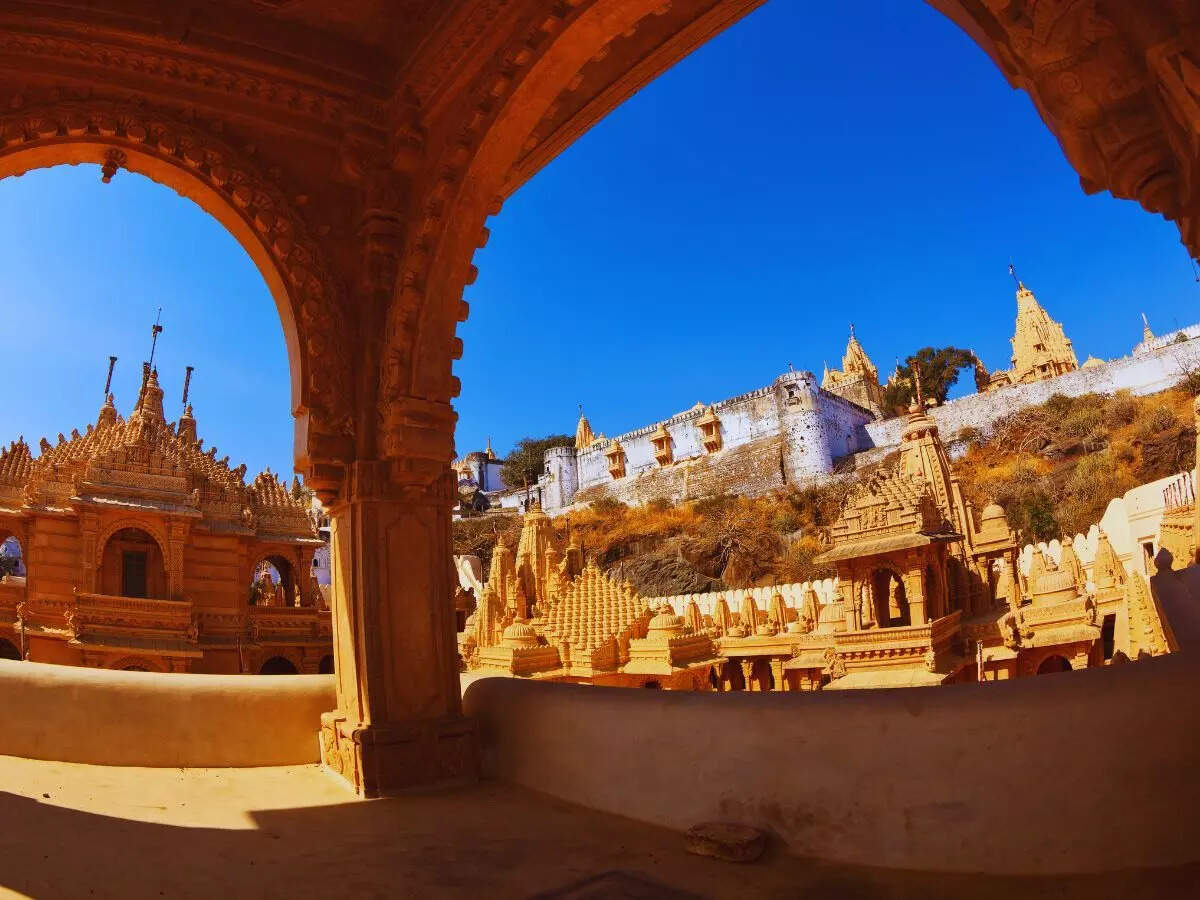
Adinath Temple: Adinath Temple is among the most revered Jain temples dedicated to Rishabhanatha (Adinath), the first Jain Tirthankara. Chaumukh Temple: This temple is noted for being home to a four-faced idol, symbolising the presence of divine knowledge in every corner. This temple is counted among Palitana’s many masterpieces.Vimal Shah Temple: This one is a living example of medieval Jain architecture and is noted for its intricate carvings.The Temple Clusters (Tuks): Exploring the various tuks reveals smaller shrines, meditation halls, and beautiful courtyards.
Best time to visit Palitana
The period between October and March is considered the best time to visit Palitana. The temperature is cooler and suitable for climbing. Early mornings are strongly recommended.
How to Reach Palitana
Canva
By Air: The nearest airport is Bhavnagar Airport, which is about 50 km away. Flights are available from major Indian cities.By Rail: Palitana has its own railway station, which is well-connected to major cities in Gujarat.By Road: Palitana is easily accessible by road from Bhavnagar and Ahmedabad. Regular bus and taxi services are available.
More than temples
Palitana is not a temple town, it is a place where nature rests. The town demands respect, discipline, and maturity. You can’t go around making reels or clicking pictures. Photography is restricted in some parts of the town. You cannot carry leather items also. This is a sacred space where faith dictates time, silence is sacred and nobody sleeps on the hill after the sunset.
About the Author