Education budget 2026: Five university townships planned to link learning, skills, and industry
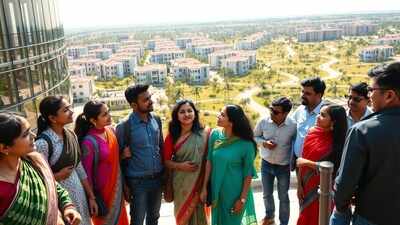
The Union Budget 2026-27 presented by Finance Minister Nirmala Sitharaman has put university townships at the centre of improvement of the nexus between education and skills and employment. The government declared that they will assist states via an obstacle road to establish five college townships along large industrial and logistic pathways. Such educational areas will comprise various universities, colleges, research centres, skill centres, and residential complexes.The townships want to merge learning, research, and skills development within one ecosystem through the physical integration process. These zones will bring students, faculty, and industry together under the same roof to minimize the fragmentation between the academic study and the practical employment opportunities.
University townships: Higher education a new model
The townships will be academic and research centres on their own. Colleges and universities will offer multidisciplinary curriculum and the learning centres like the research institutions and the skill centres will offer hands-on education in line with industry requirements. Students and faculty will be housed in residential complexes, which will guarantee their access to learning and practical training facilities.This is aimed at ensuring that higher education is more linked to the requirements of employers and industries in the region since education, skills, and research are all integrated in a single location.
Union Budget 2026: Preserving the role of females
In addition to the township program, the Budget is suggesting the introduction of girls’ hostels in all districts which would be financed by the viability gap fund. This would enhance access for women, especially in the STEM subjects by mitigating accommodation and access issues.In keeping with the National Education Policy objectives. The township program is in line with the National Education Policy 2020, which states multidisciplinary learning, development of skills, and inclusion of gender. The government is transforming policy agendas into physical infrastructure by developing physical academic zones that house education and research institutes and residential houses.
Geographical and economic importance
The industrial and logistic corridors hosting the planned townships are likely to improve the local economies and build clusters of innovations. The co-location of universities and industries as well as research institutions is geared towards coming up with integrated ecosystems that are beneficial to the students and the communities around the institutions.
Developing a workforce of the future
The university townships plan announced in Union Budget 2026 are supposed to equip the students for the changing job market by bringing together higher education, skills, and research under a single roof. These areas would be examples of industry-related, multidisciplinary and inclusive education, which would provide contributions to the skilled workforce, which is employable and prepared to meet future challenges.
About the Author