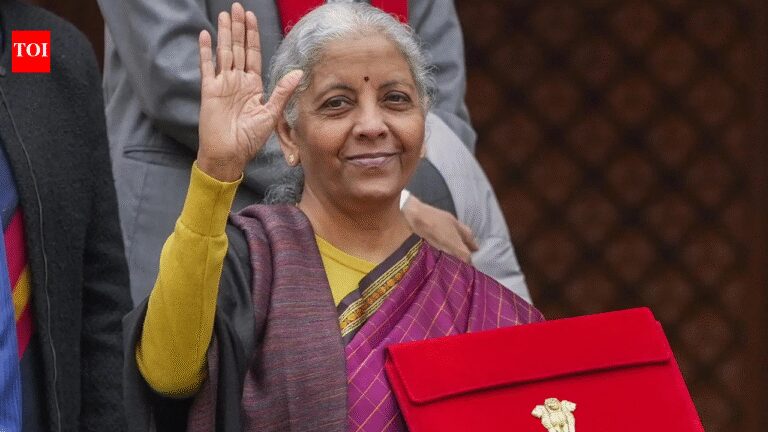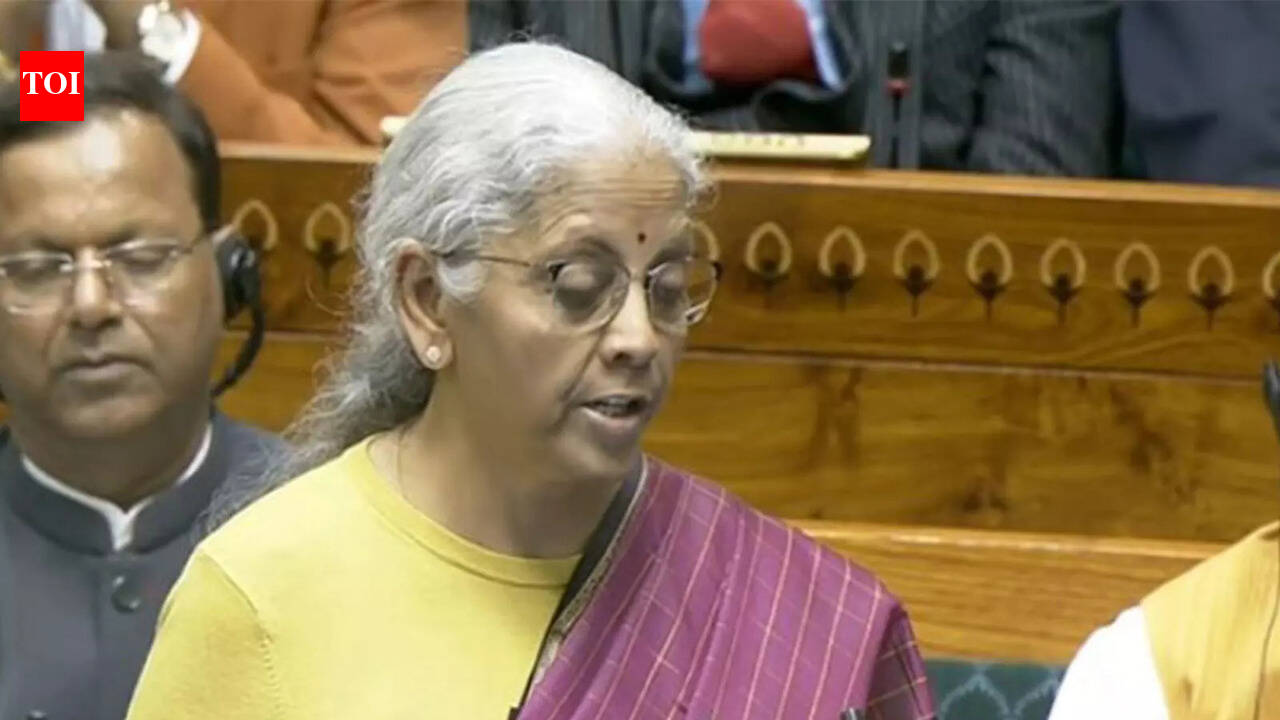
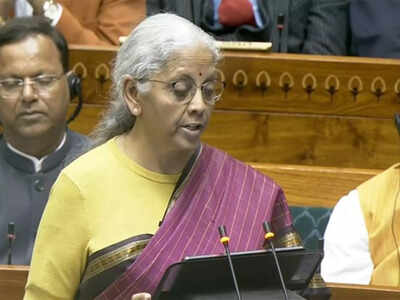
Union Budget 2026 is being presented today with all eyes on Nirmala Sitharaman as the government lays out its roadmap for economic growth. For India’s tourism and hospitality industry, the industry people are closely following how budget announcements will set an agenda for the next phase of growth for this sector. Here’s some briefs, as we monitor the live updates, main announcements and the impact for hotels, travel companies, investors and related sectors while the Budget 2026 speech is going on in Parliament.With the Union Budget being tabled in Lok Sabha, India’s travel and tourism industry is gearing up for positive changes. The sector had been seeking stronger budgetary support to stimulate new air routes and enhance connectivity nationwide, seen as a key driver of broader economic growth. Expectations are high around regional air connectivity, infrastructure investment, targeted tourism initiatives, and ambitious domestic and international passenger growth goals, which together could mark a turning point for the travel industry under the 2026 Budget.

Tourism related stocks also were looking positive after the Finance Minister put focus on building indigenous tourism. Shares of travel and tourism companies rose as much as 10 percent after the announcement, as investors bet on the industry growing in coming years.
In her speech, the FM proposed developing 15 archaeological sites to promote heritage tourism in the country. Places like Sarnath and Hastinapur will be developed. She also proposed a plan for scaling 10k guides in well known tourist hubs. Comprehensive documentation of this work will be done and extended to a range of spiritual historic sites in the country, so as to better implement preservation efforts while promoting tourism driven economic development.The Budget also outlined plans to introduce mountain train services in states such as Himachal Pradesh, Uttarakhand, and Jammu & Kashmir. These services are intended to improve connectivity in hilly regions while promoting tourism in areas that are often difficult to access.
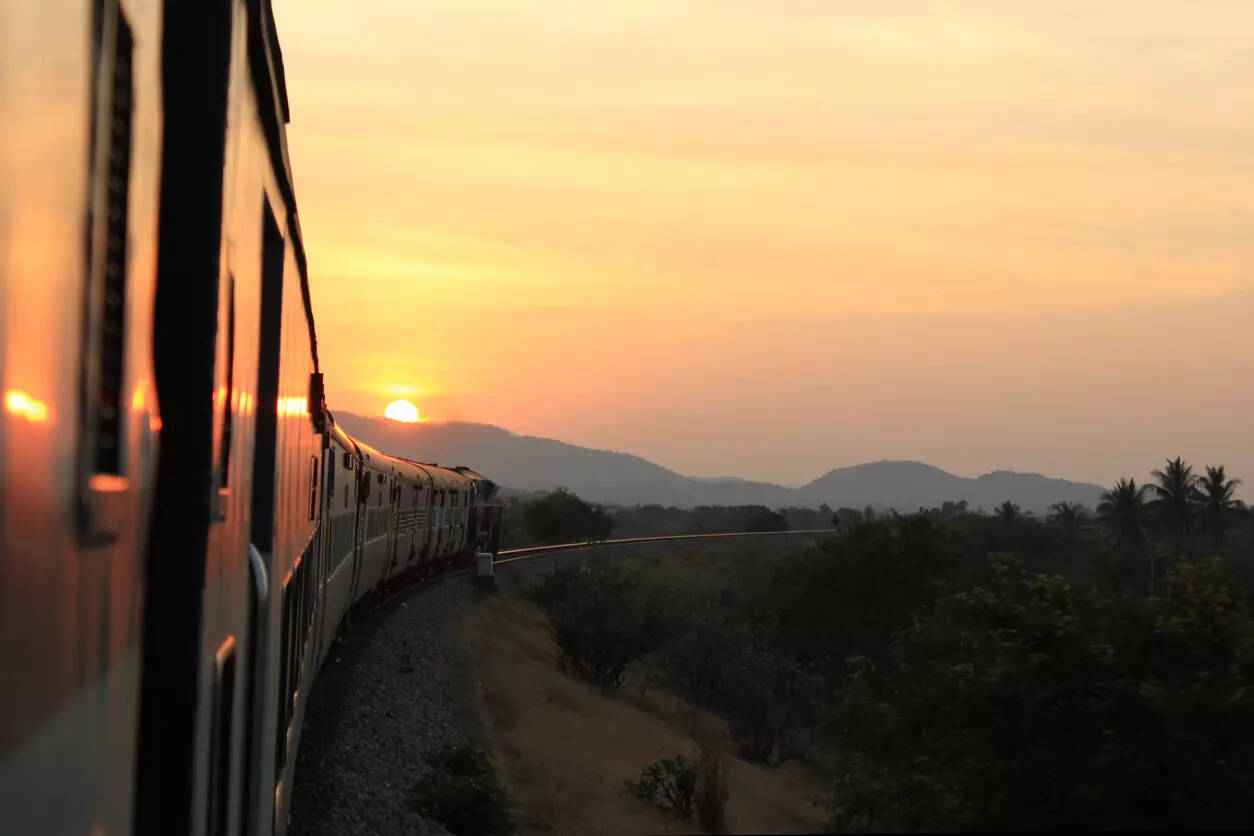
In a big infrastructure push, Sitharaman also proposed starting work on seven high-speed rail corridors to connect Indian cities and improve long-distance travel. Announcing the Union Budget 2026, she said these corridors would connect important economic, industrial and cultural nodes of the country to reduce travel time, increase logistics efficiency and growth in a balanced manner.The high-speed rail corridors to be covered by the bill are:Mumbai–Pune,Pune–Hyderabad,Hyderabad–Bengaluru,Hyderabad–Chennai,Chennai–Bengaluru,Bengaluru–Varanasi, andVaranasi–Siliguri.These corridors are intended for enhancing connectivity in western, southern and eastern part of India as well as connecting economic centres to technology hubs.Here’s how the industry leaders reacted:“What stood out for me in this Budget is that it doesn’t treat travel as a one-sided story. Outbound travel needed a course correction, and cutting TCS on foreign tour packages to 2% does exactly that, it takes away a friction that travellers were feeling every time they planned a trip. On the inbound side, the intent is clearly longer-term. What stands out is the emphasis on cultural and experiential travel, whether through developing archaeological sites, strengthening Buddhist circuits, or building skilled local guide networks, tells us the focus is finally shifting to how India is experienced, not just how many people arrive. If this is executed well, it could move Indian tourism from being crowded and transactional to curated and experience-led.”— Karan Agarwal, Director, Cox & Kings
About the Author