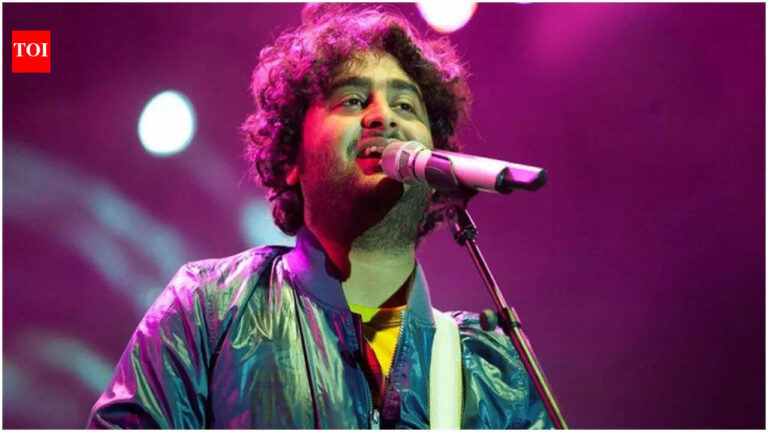


AR Rahman has been in the news for his recent comments where he hinted that the industry may be getting communal and that’s the reason why, he’s been getting less work in Hindi cinema since the last eight years. Later, he issued a clarification after facing backlash on the internet for the same, stating that while “sometimes intentions can be misunderstood,” his only aim has always been to uplift, honour, and serve India through his music. What Rahman spoke about recently is something he had also addressed decades ago. In 1997, when he released the patriotic album Vande Mataram to mark 50 years of India’s Independence, the composer had spoken at length about the thought behind the project. The album was created in collaboration with director and producer Bharat Bala and featured the iconic track ‘Maa Tujhe Salaam’. This continues to remain one of the best works of the ace composer, over the years. On veteran actor Farida Jalal’s podcast Yaadein BTown Ki on Shemaroo, Rahman had said earlier, “Even in Islam, it says being patriotic to your country is half of it. So, we decided to make this one big song. We started with it, and when Mehboob (Kotwal, lyricist) brought ‘Maa Tujhe Salaam,’ it became a beautiful expression.”Explaining the larger intent of the album, Rahman added, “It was a song which was there for nearly 100 years. So, the youth should relate to it without any bias. The whole thing was to bridge this thing. And I think that happened very well, and it reached out to people.”Rahman also recalled how the idea for Vande Mataram came from Bharat Bala, whom he had earlier worked with on advertising campaigns. “Bala’s father had told him to do something for the country. So, he said we should do ‘Vande Mataram.’ I said if we plan to do ‘Vande Mataram,’ it should be done to reach out to the youth, from every religion, all around the world, and all the NRIs for them to feel a sense of belonging and feel like they have a home,” he said.For those not in the know, here’s what Rahman had said in his recent interview with BBC Asian Network, which had sparked a frenzy on the internet. “People who are not creative have the power now to decide things and this might have been a communal thing also but not in my face. It comes to me as Chinese whispers that they booked you but the music company went ahead and hired their five composers,” Rahman said.
About the Author