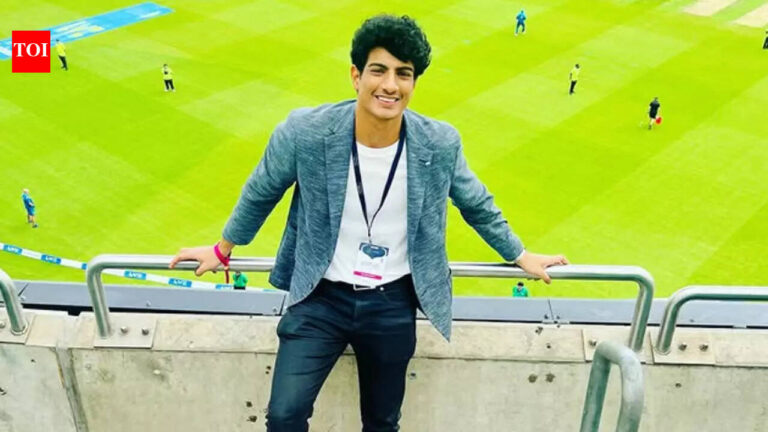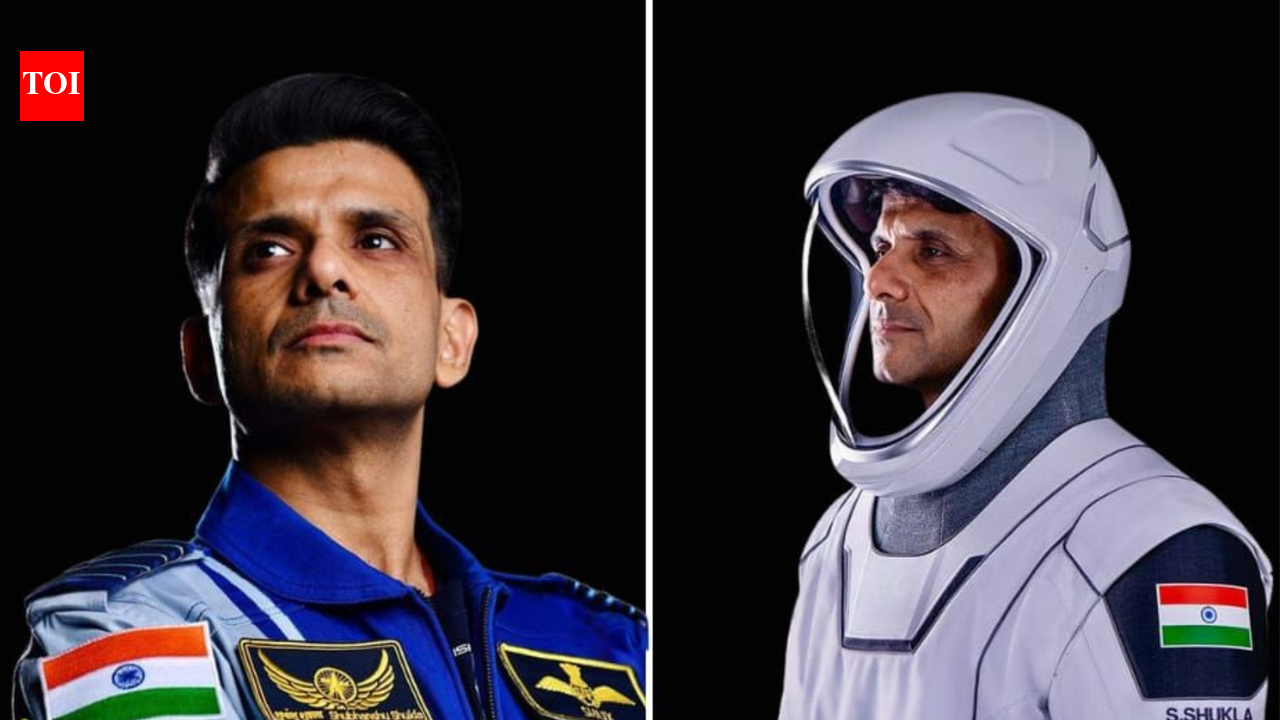
When Group Captain Shubhanshu Shukla was conferred with the Ashok Chakra, it marked more than a personal milestone. It signalled a broader moment for India’s human space ambitions, a recognition of years of preparation, rigorous training, and an unwavering commitment to pushing the country’s scientific frontiers.For colleagues, he is simply “Shux”. For India, he stands as its second astronaut and the first from the country to have stayed aboard the International Space Station (ISS). Shortly after the formal announcement of his national honour, Shukla reflected on what such recognition truly meant to him.Shubhanshu Shukla said to TNN, “I feel immensely proud and deeply grateful for the honour conferred upon me. When I embarked on this journey [as an astronaut], I did so as a representative of every Indian. Today, as I receive this recognition, I experience it as a collective blessing from the people of India. I am truly humbled by this award.”Yet, alongside pride came a sharpened sense of responsibility. He further added,“…My journey must translate into meaningful and tangible outcomes, particularly in advancing our future human space missions. I remain firmly committed to ensuring that the opportunity I was given-to journey into space from Bharat-opens the door for many more such opportunities in the years ahead.”He also acknowledged institutional support, adding: “…I express my heartfelt gratitude to the Government of India for bestowing this prestigious honour upon me.”The recognition places Shukla in a distinguished lineage. Wing Commander (retd) Rakesh Sharma, India’s first astronaut who travelled to space in April 1984, had also been decorated for his historic mission.
From Lucknow classrooms to elite flight decks
Born in Lucknow, Uttar Pradesh, Shubhanshu Shukla’s fascination with aviation began early. That curiosity soon transformed into a disciplined academic and professional journey.He entered the National Defence Academy (NDA) in 2003, where he pursued a Bachelor of Science degree in Computer Science, combining military training with academic rigour. Commissioned into the Indian Air Force in 2006, Shukla went on to log over 2,000 flying hours across a formidable range of aircraft, including the Su-30 MKI, MiG-21, MiG-29, Jaguar, Hawk, Dornier 228 and An-32. His reputation as both a combat leader and test pilot grew steadily.Recognising the need for deeper technical expertise, he later completed a Master of Technology in Aerospace Engineering from the Indian Institute of Science (IISc), Bengaluru. The programme strengthened his grounding in advanced engineering, knowledge that would later prove vital for astronaut training and space missions.In 2019, Shukla was selected for India’s ambitious Gaganyaan human spaceflight programme. This marked the beginning of intensive preparation, including advanced training at the Yuri Gagarin Cosmonaut Training Centre in Moscow and at the Indian Astronaut Training Facility in Bengaluru, supplemented by international sessions in Germany and Japan.
Life aboard the ISS and a global classroom in orbit
Shukla’s time aboard the ISS in mid-2025 coincided with a landmark moment, 25 years of continuous human presence on the orbital laboratory. In his first full-fledged exclusive interview after that milestone, he described the station as a living example of what sustained cooperation can achieve. That experience now feeds directly into his next chapter.
Grounded in discipline, reaching for the stars
Away from flight decks and laboratories, Shukla balances his demanding career with family life alongside his wife, Dr Kamna Shukla, a dentist. He retains a keen interest in physical fitness and scientific reading, which reflects the discipline he was inculcated with during his NDA days.Lucknow to IISc, from fighter cockpits to orbital labs, Shubhanshu Shukla’s journey is one of deliberate training and historical opportunity. The Padma Shri is more than a badge of honor for where he has been; it is also a nod towards the future that awaits him.As India forges ahead with its presence in human space exploration, Shukla remains both a symbol and a participant in this journey, a testament to the fact that education, training, and collaboration can raise the ambitions of a nation beyond the boundaries of the planet.
About the Author