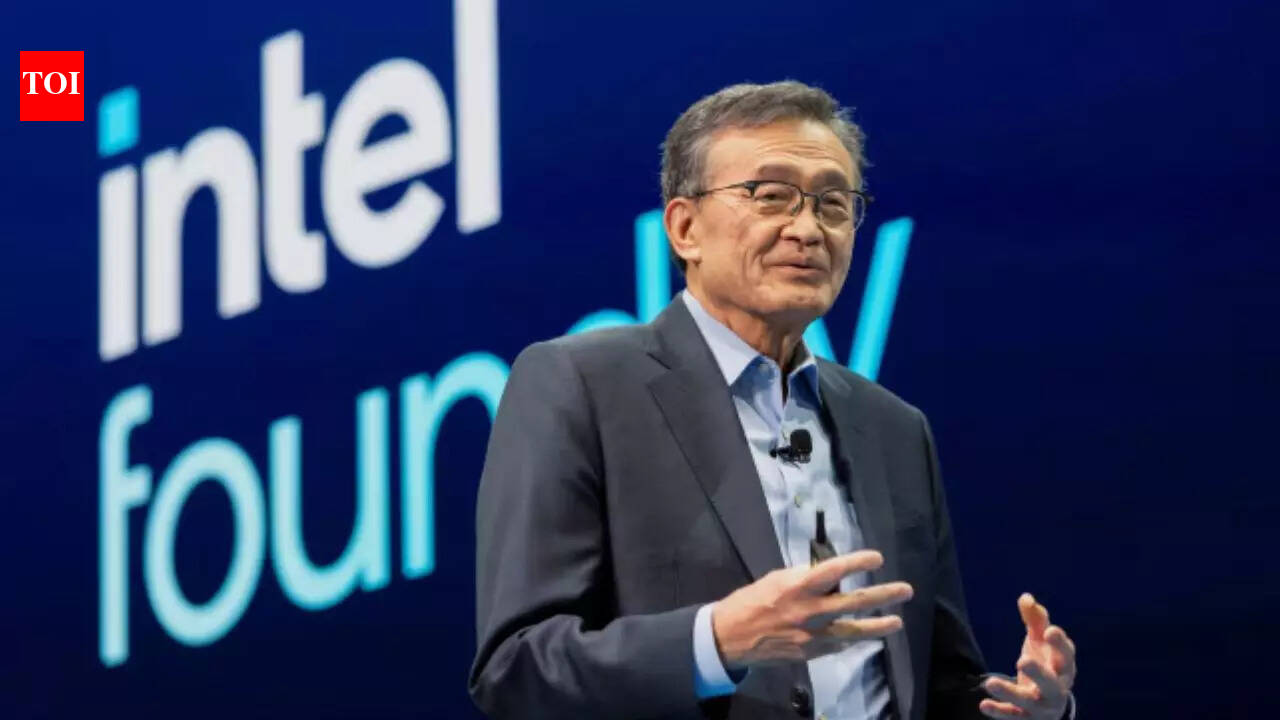
Intel’s CEO Lip-Bu Tan addressed investors with a candid admission on Thursday, saying he’s “disappointed that we are not able to fully meet the demand in our markets.” The chip giant reported a fourth-quarter loss of $333 million and warned of further losses ahead as it grapples with supply shortages and heavy spending to ramp up production.The Santa Clara-based company’s revenue fell 3.9% year-over-year to $13.7 billion, missing analyst expectations. Intel shares plunged more than 12% in after-hours trading as investors absorbed the disappointing results and a gloomy first-quarter forecast calling for revenue between $11.7 billion and $12.7 billion.
Supply chain mistakes and foundry struggles continue to plague Intel
CFO David Zinsner pointed to “industrywide supply shortages” weighing on results, but also acknowledged Intel’s own missteps. The company underestimated demand for CPUs from AI data centers, and is now scrambling to purchase equipment to produce more wafers. The supply crunch will worsen in the first quarter before improving later in spring, Zinsner said.Intel’s foundry division remains a significant drag, posting billions in losses. CEO Tan called out disappointing fabrication yields—the percentage of usable chips from each wafer—saying improvements are a key goal for 2026. The company also disappointed analysts by providing no updates on customers for its next-generation 14A manufacturing technology, stating it won’t invest in factory capacity until securing a customer commitment.
Intel’s turnaround bet faces execution headwinds despite government support
Despite recent momentum—Intel shares had surged more than 150% over five months following government investment and a new partnership with Nvidia—the company continues making what analysts call “unforced errors.” The first laptops carrying Intel’s new 18A chips went on sale in January, and investors are watching adoption of these “Panther Lake” processors as a critical indicator of whether the turnaround is working.“We are on a multiyear journey. It will take time and resolve,” Tan told analysts on the earnings call. With a market cap above $200 billion despite flat revenue growth and ongoing losses, Intel’s valuation suggests investors have already priced in success—making execution stumbles all the more costly.
About the Author