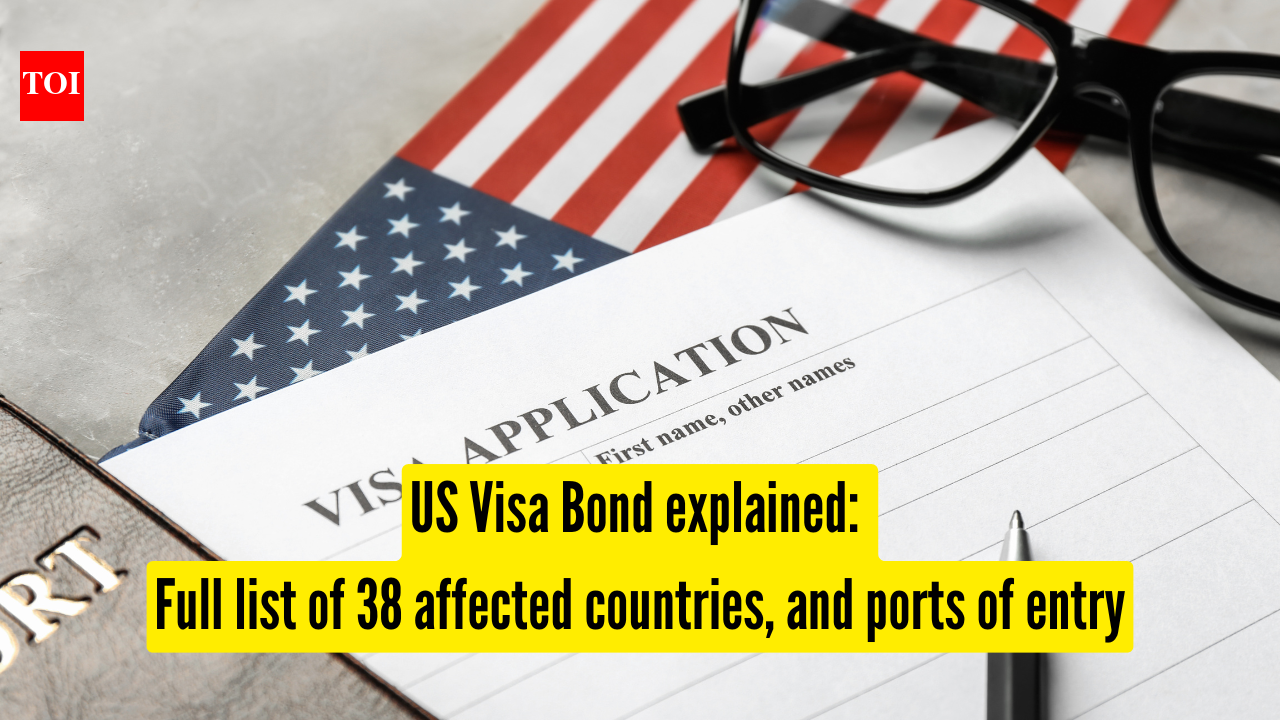
The United States Department of State has officially announced the expansion of its visa-bond pilot programme, listing a series of countries whose nationals may have to pay a refundable bond when applying for US business or tourist visas. The updated list, issued on Jan 8, 2026, specifies who will be affected, and when the rule would come into force and how it would function.
What are visa bonds
Visa bonds are monetary assurances demanded of some non-immigrant visa applicants to guarantee their adherence to US immigration protocols. According to the terms of this pilot programme, individuals who are otherwise qualified for a B1/B2 visa, usually used for short-term business or tourism, might be asked to pay a bond of $5,000, $10,000 or $15,000.

The policy is based on INA Section 221(g)(3) and a TFR that implements the pilot. The chosen countries have higher B1/B2 overstay rates relative to the rest of the countries as per Department of Homeland Security Entry/Exit Overstay Report.
Countries subjected to visa bonds
Visa Bonds may apply for nationals on passports from the below list: The dates of application in each country are given in brackets:
- Algeria (January 21, 2026)
- Angola (January 21, 2026)
- Antigua and Barbuda (January 21, 2026)
- Bangladesh (January 21, 2026)
- Benin (January 21, 2026)
- Bhutan (January 1, 2026)
- Botswana (January 1, 2026)
- Burundi (January 21, 2026)
- Cabo Verde (January 21, 2026)
- Central African Republic (January 1, 2026)
- Côte d’Ivoire (January 21, 2026)
- Cuba (January 21, 2026)
- Djibouti (January 21, 2026)
- Dominica (January 21, 2026)
- Fiji (January 21, 2026)
- Gabon (January 21, 2026)
- The Gambia (October 11, 2025)
- Guinea (January 1, 2026)
- Guinea-Bissau (January 1, 2026)
- Kyrgyzstan (January 21, 2026)
- Malawi (August 20, 2025)
- Mauritania (October 23, 2025)
- Namibia (January 1, 2026)
- Nepal (January 21, 2026)
- Nigeria (January 21, 2026)
- Sao Tome and Principe (October 23, 2025)
- Senegal (January 21, 2026)
- Tajikistan (January 21, 2026)
- Tanzania (October 23, 2025)
- Togo (January 21, 2026)
- Tonga (January 21, 2026)
- Turkmenistan (January 1, 2026)
- Tuvalu (January 21, 2026)
- Uganda (January 21, 2026)
- Vanuatu (January 21, 2026)
- Venezuela (January 21, 2026)
- Zambia (August 20, 2025)
- Zimbabwe (January 21, 2026).
This requirement is irrespective of where the visa application is lodged.
How the amount of bond is determined
The amount of the bond, $5,000, $10,000 or $15,000, will be calculated at the time of visa interview. Applicants must also submit the Department of Homeland Security Form I-352 (Immigration Bond) and make a formal undertaking on the bond.Most importantly, the payment of a bond is not a guarantee that you will receive your visa. If an applicant pays without instruction specific to a consular officer, the funds will not be refunded.
Who to pay the bond to and where it must be paid
Form I-352 should not be submitted until the consular officer directs the applicant to do so. Payments are made only via Pay.gov, the federal government’s official E-Payments platform.The State Department has advised applicants not to use third-party websites or agents. Any money paid outside official US government systems is not the responsibility of the US government.
Designated ports of entry
Those who post visa bonds are subject to stringent rules for entering and leaving the country. Bonded visa holders are limited to entering and departing the country through specific ports of entry. Failure to comply may lead to denied entry or an unrecorded departure, which could affect bond refunds.
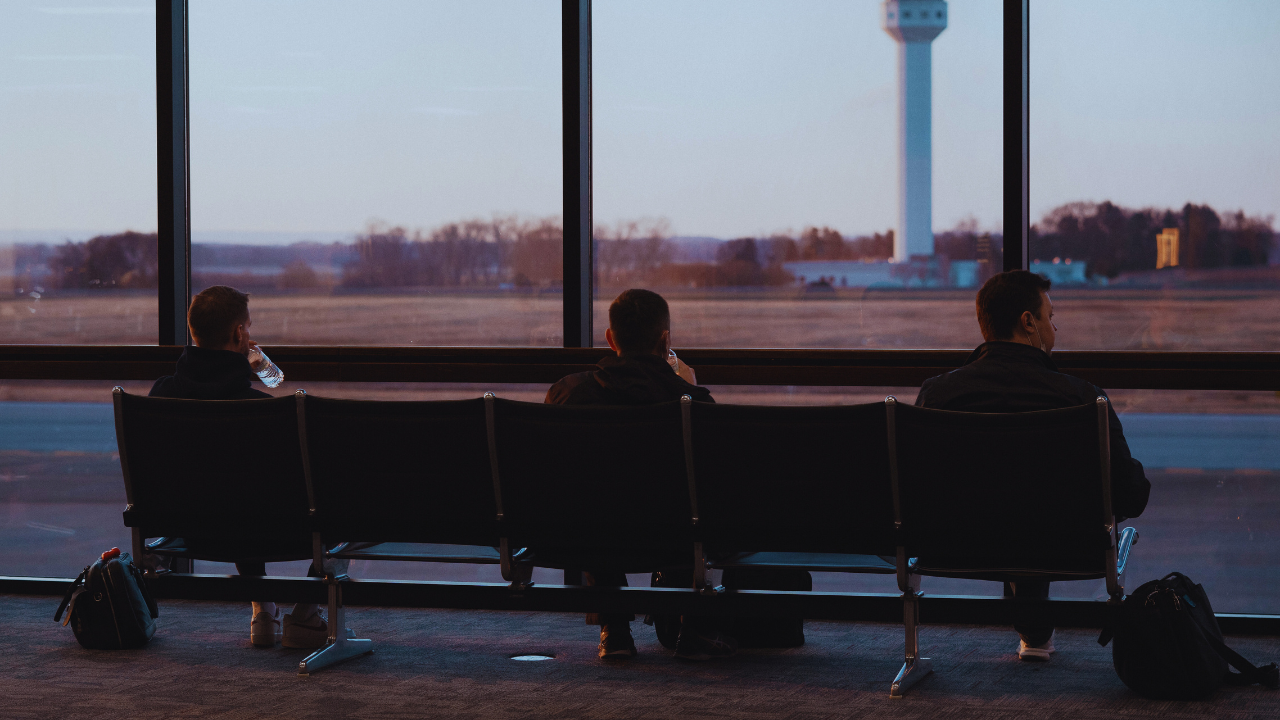
Currently designated ports include:
Boston Logan International Airport (BOS) – from August 20, 2025John F. Kennedy International Airport (JFK) – from August 20, 2025Washington Dulles International Airport (IAD) – from August 20, 2025Newark Liberty International Airport (EWR) – from January 1, 2026Hartsfield-Jackson Atlanta International Airport (ATL) – from January 1, 2026Chicago O’Hare International Airport (ORD) – from January 1, 2026Los Angeles International Airport (LAX) – from January 1, 2026Toronto Pearson International Airport (YYZ) – from January 1, 2026Montréal-Pierre Elliott Trudeau International Airport (YUL) – from January 1, 2026Additional ports will be added in phases.
When the bond is refunded
The visa bond is refunded when:
- DHS data indicate the visa holder left before or on the authorised date of stay.
- The visa holder never travels to the US before visa expiry.
- The visa holder applies for entry but is denied admission at a US port.
The bond is meant to ensure compliance, not to generate revenue.
What constitutes a bond breach
If DHS suspects a bond violation, the case will be referred to US Citizenship and Immigration Services for investigation. A bond may be forfeited if:The visa holder departs after the authorised stay period.The visa holder overstays and fails to leave.The visa holder applies for an adjustment of status, such as asylum.
What applicants need to know
US officials repeatedly emphasise that applicants should follow official instructions, make payments only after visa approval, and avoid intermediaries. As the pilot expands, affected travellers should include potential bond costs in their financial and travel planning.
About the Author