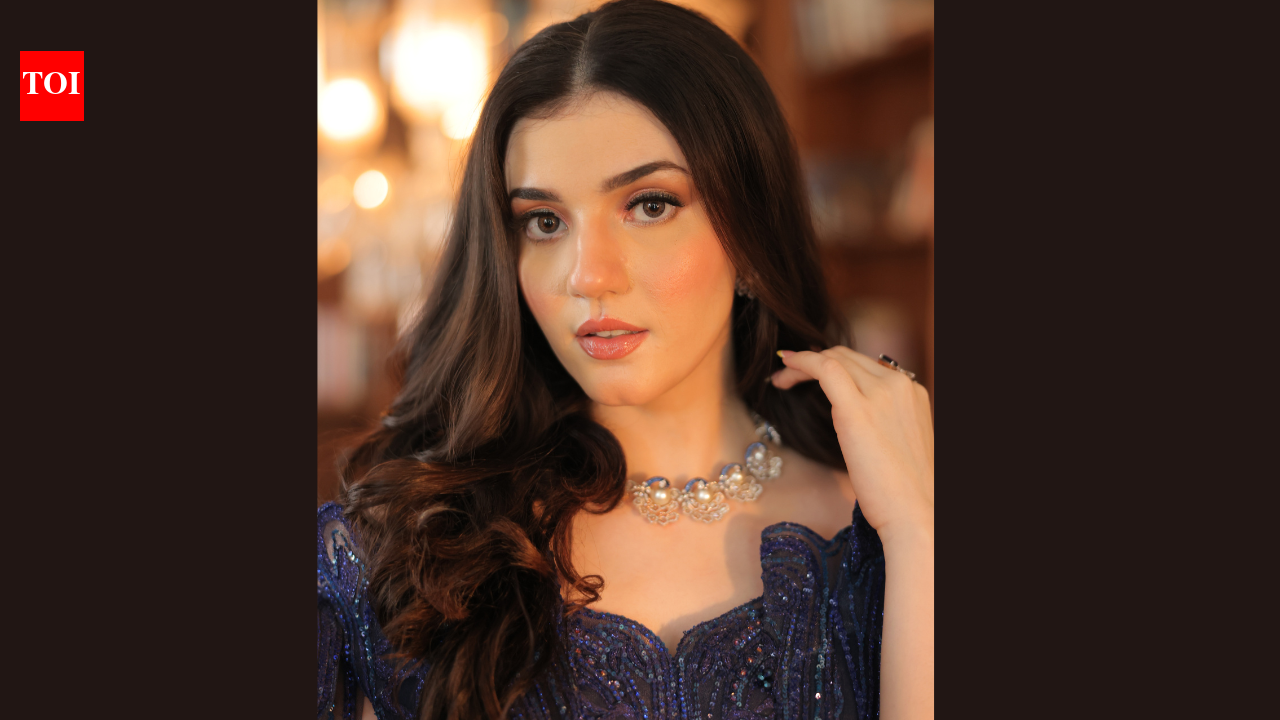
Saying that beauty lies in imperfection and actually believing and practicing it are two different things. In a world obsessed with filters and carefully curated but bubble-like confidence, Aastha Shah refuses to be defined by set standards. She has lived a journey of finding self-worth, and today inspires many to embrace their flaws, follow the path of self-acceptance, and not fall for the world’s validation. Speaking to us exclusively, Aastha Shah, a beauty and fashion artist, or as she says, ‘A girl with Vitiligo living her dreams’, talks about her life beyond the camera, her journey from accepting who she is over and above her skin condition, and more.As we started the conversation, Aastha got candid about her persona beyond the screen, and said, “I’m honestly very rooted and introspective. I’m someone who values quiet moments as much as the loud, glamorous ones people see online. When the camera is off, I’m deeply connected to my family, my routines, and the small rituals that keep me grounded, whether it’s going to the gym, taking care of my body, or simply sitting with my thoughts.” “I’m curious, sensitive, and constantly evolving. I laugh a lot, I overthink a little, and I’m always trying to understand myself better. The content may show confidence and energy, but behind it is a person who is still learning, healing, and choosing growth every single day,” she added.
Aastha Shah on living with vitiligo
“Vitiligo changed my relationship with my body in ways that were painful before they became empowering. For a long time, it made me hyper aware of myself, how I looked, how people perceived me, and how visible my difference was in a world that often celebrates sameness. I went through phases of denial, frustration, and even shame,” she expressed. However, with time, Aastha chose to look at the brighter side. “Vitiligo also forced me to confront deeper questions about self-worth and identity. It pushed me to redefine beauty on my own terms and understand that my body isn’t something to fix or hide, it’s something that carries my story. Today, my relationship with my body is more compassionate. I see it as resilient, unique, and worthy of love exactly as it is,” she said.
Rebuilding confidence and healing
“Rebuilding confidence wasn’t a sudden transformation; it was a slow, intentional process. Most important was unlearning the need for external validation and replacing it with self-acceptance. Surrounding myself with people like my family who truly saw me beyond my skin played a huge role,” she expressed further in the conversation.Elaborating about her healing process, she added, “Creating content also became a form of healing; every time I showed up authentically, I reclaimed a part of myself I once tried to hide. Confidence came from choosing honesty over perfection and reminding myself that my value isn’t diminished by my appearance. It grew when I started treating myself with kindness instead of criticism.”Looking at vitiligo as an ailment that can be cured, and not a condition that requires sympathyFurther, when asked what Aastha wishes people understood about vitiligo that they often get wrong, she replied, “I wish people understood that vitiligo is not something tragic, contagious, or something that needs sympathy. It’s simply a condition that affects skin pigmentation; it doesn’t define a person’s happiness, capability, or confidence.” “People often assume it’s something we want to “fix” or that it automatically causes insecurity, which isn’t always true. What truly affects us isn’t the vitiligo itself, but how society reacts to visible differences. A little awareness, sensitivity, and normalisation can go a long way in making people feel accepted rather than singled out,” she clarified.
The moment Aastha Shah decided not to hide her condition
Recalling the moment when Aastha was comfortable in her own skin and was ready to embrace and shine rather than hide, she mentioned, “This is one thing I’m always grateful for. The people around me never forced me to hide my skin. Since day one, my parents and brother encouraged me to flaunt my skin the way it is and not hide it in any way. I was tired of the daily medication and doctors. Life was going to school, doctors, homework, and sleeping. One day i went up to my dad and told him I can’t do this anymore. I want to focus on my career and not curing vitiligo.” “That decision came from self-respect more than bravery. I understood that embracing my skin publicly wasn’t just about visibility, it was about choosing myself fully and unapologetically,” she said.
Visibility that’s helping others dealing with vitiligo or similar conditions
Aastha’s content has not only helped her heal but also inspired others not to feel any less of themselves because of any physical condition. She highlighted, “I’m slowly beginning to realise it, and it’s one of the most humbling parts of my journey. Every message from someone saying they felt seen or understood because of me reminds me why authenticity matters. Knowing that my visibility can help someone feel less isolated, less ashamed, or more confident is deeply emotional.” “I never set out to be a voice; I just chose honesty, but if that honesty helps even one person feel less alone, then it makes everything meaningful. It reminds me that representation isn’t just powerful, it’s necessary,” she concluded.
About the Author