
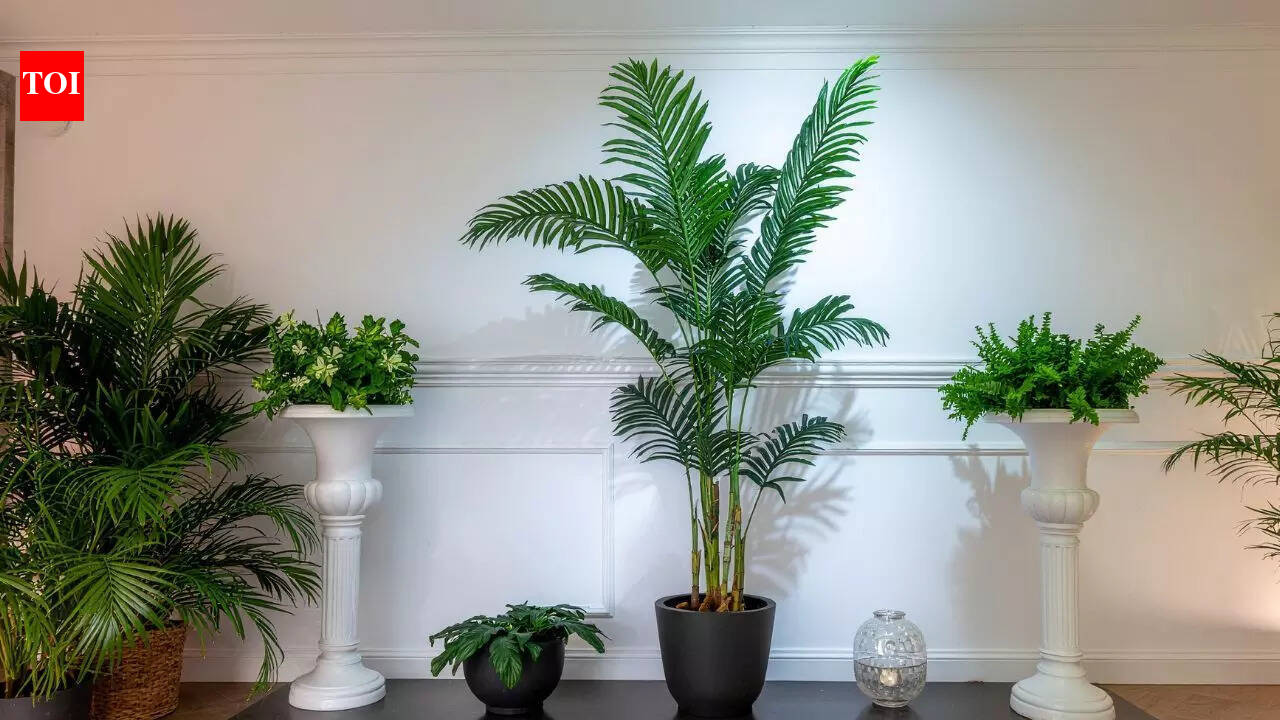
Humid bathroom environments, where ventilation is poor and volatile organic compounds from cleaning products and soaps linger in the air, often serve as a fertile breeding ground for odours. Instead of artificial deodorisers or sprays, a greener and more organic solution lies in indoor plants. Certain beautiful houseplants are quite efficient and effective in improving air quality by absorbing odour-causing pollutants while adding fresh oxygen to the space.
When placed in damp areas such as bathrooms, these plants help neutralise odours and reduce excessive moisture, even lowering airborne toxins to create a more pleasant, spa-like ambience in this functional room. Picking the right type of plants will help you fight bathroom odours on all fronts while beautifying decor and enhancing healthier indoor air. Adding plants to your bathroom is more than a decor choice.
How do plants help remove bathroom odour naturally
The role of plants in bathroom smells is a very reasonable one, since plants point the atmosphere in the right direction and ensure that moisture levels are not high. In indoor environments, plants remove VOCs that rise from cleaning agents, soap, and personal care products, the same products that tend to leave potent scents in an environment. They work together to ensure that the particles, or odours, are removed. In a humid bathroom environment, plants ensure that the moisture does not promote high levels of mould, thereby removing scents associated with these agents. In addition to these functions, plants also give off fresh oxygen and natural scents, meaning that indoor air freshness does not need to be boosted with additional chemicals.
7 indoor plants that help get rid of bathroom smell
This article will explore a list of plants you can keep inside a bathroom, which will help keep it fresh and without any smells. These green companions work quietly to absorb unwanted smells and turn your bathroom into a more pleasant environment.
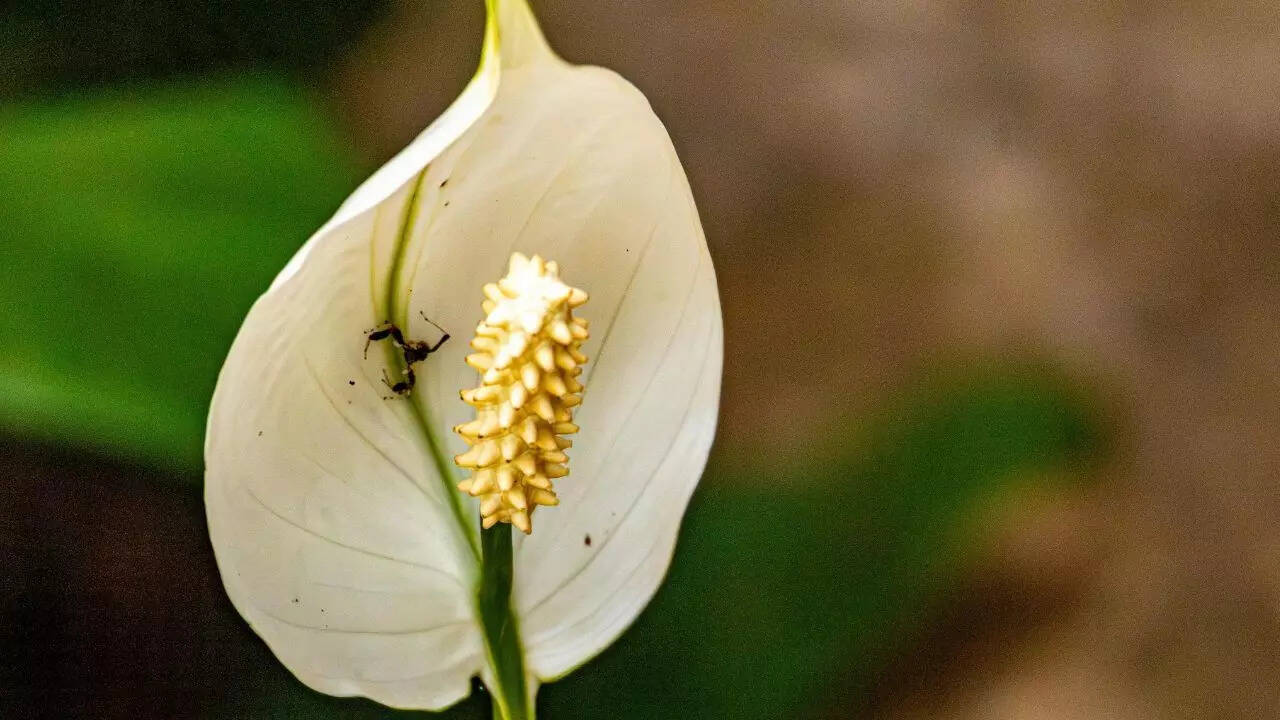
Spathiphyllum, or the peace lily, is one of the most recommended plants when it comes to bathrooms and odour control. Its lush green leaves and delicate white blooms not only add beauty but also absorb pollutants such as formaldehyde, benzene, and ammonia. Peace lilies thrive in low to moderate light and enjoy the high humidity common in bathrooms, making them ideal for persistent smells. They will remain healthy with regular watering and the occasional misting. Their air filtering capability will make bathrooms feel fresher naturally.
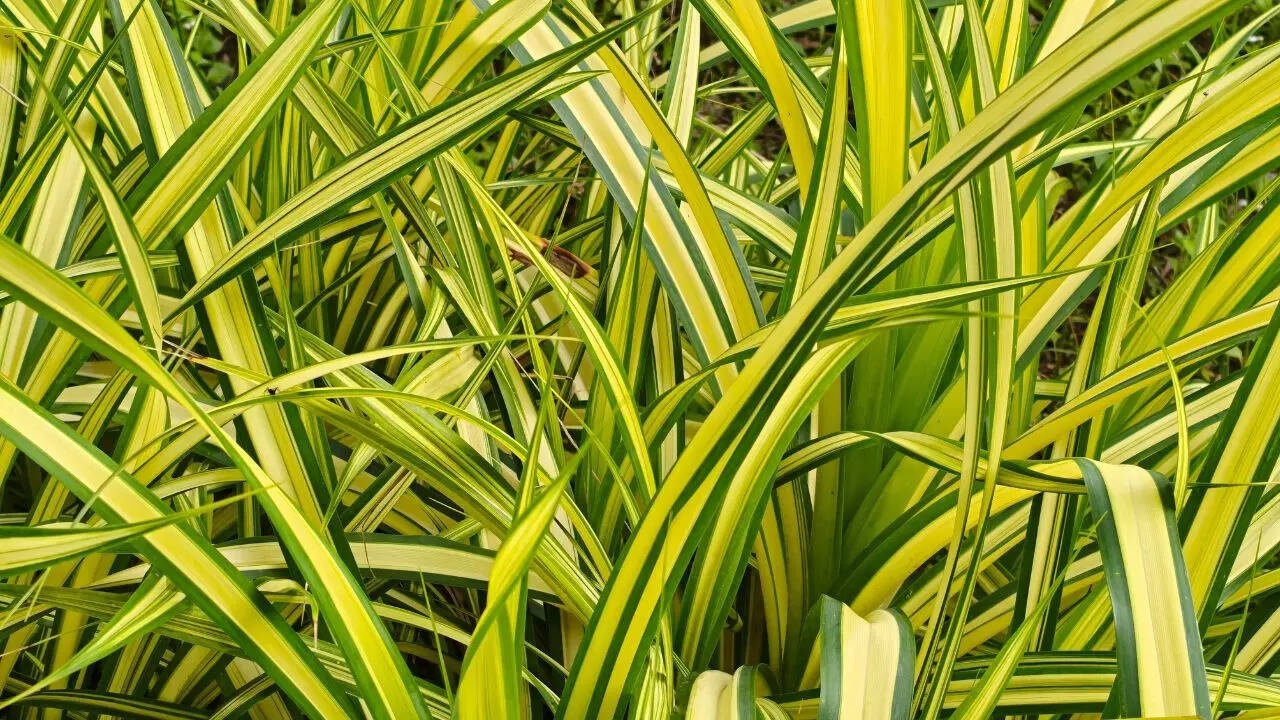
Spider plants are robust, easy to care for, and therefore very good for novices and busy households. They absorb pollutants such as formaldehyde, xylene, and toluene, commonly emitted by cleaning agents. Placed in a hanging planter or on a shelf, their arching leaves help clean the air and diffuse humidity, reducing musty smells. Spider plants also produce “pups” or offshoots that can be propagated to create more odour-fighting greenery.
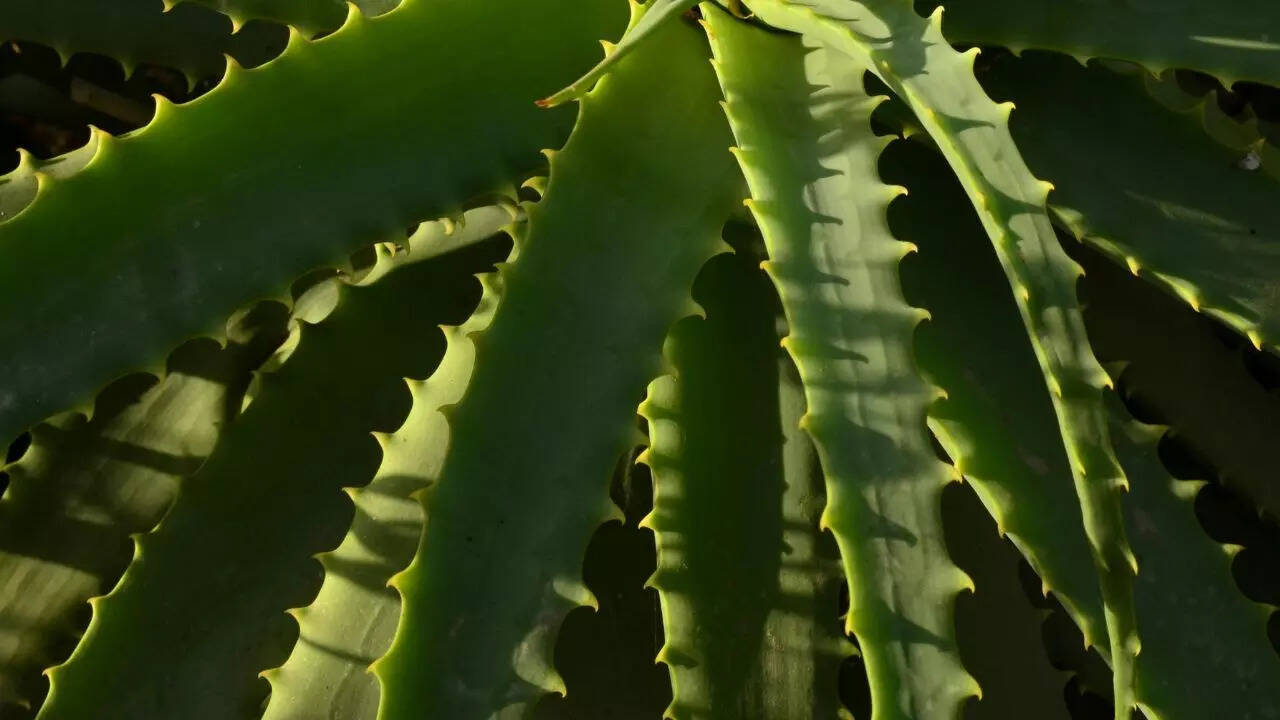
Aloe vera/Aloe barbadensis miller is mostly known for its skin-healing gel. But it also works for cleaning the air. This plant removes formaldehyde and benzene emitted from soaps, cosmetics, and bathroom cleaners. Aloe grows under bright, indirect light and requires infrequent watering, which makes the plant low-maintenance for bathroom window sills. Thick leaves containing gel absorb airborne chemicals and reduce odour, while providing a natural feel.
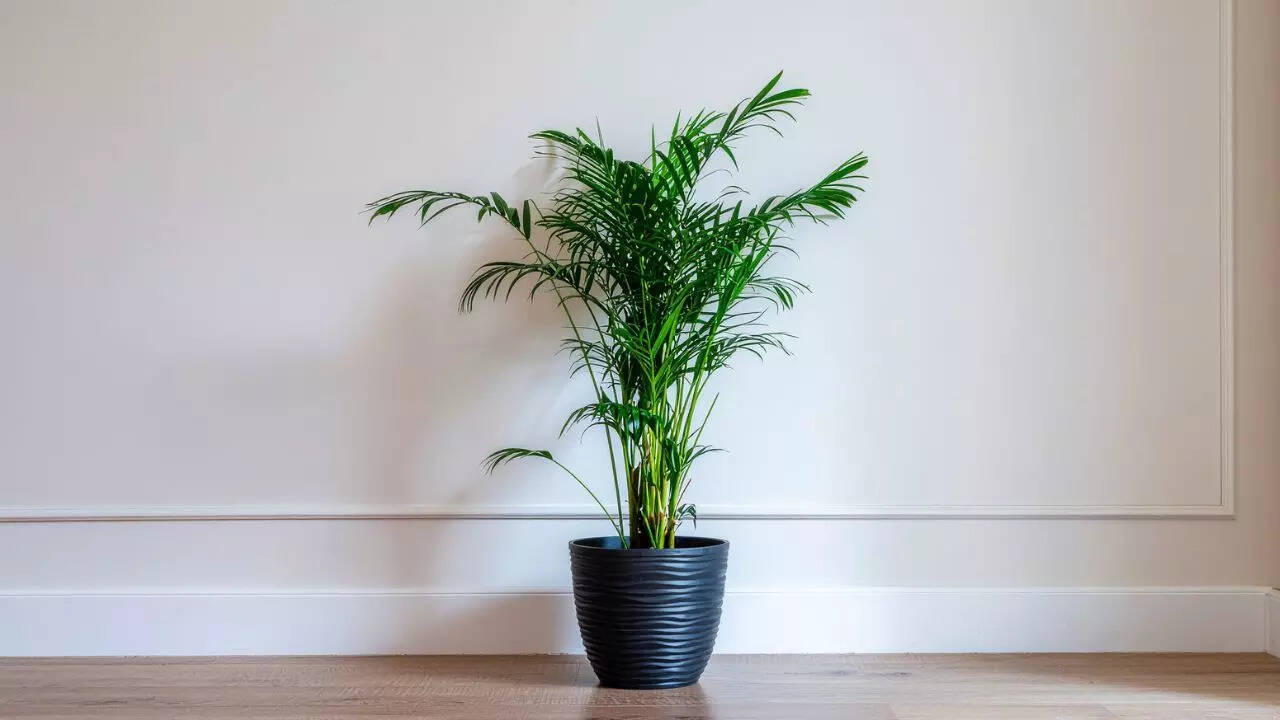
Another great bathroom plant for odour control is the areca palm, better known as the butterfly palm. These plants remove VOCs such as toluene and xylene while increasing humidity that naturally neutralises stale smells. Areca palms prefer bright, indirect light and regular watering, and their feathery fronds bring lush greenery to your bathroom. As a bonus, these palms are known to produce very healthy levels of oxygen, leaving the air feeling fresher and cleaner.
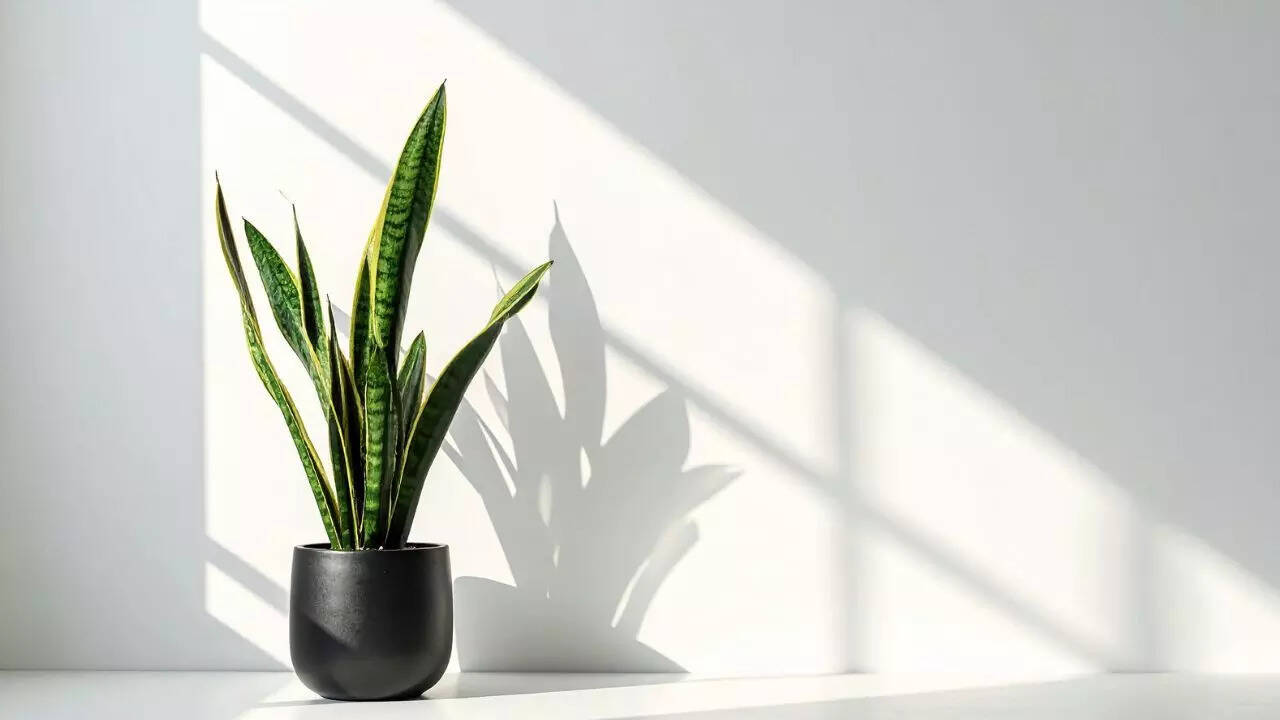
Snake plants are the tough, low-maintenance plants that can bear low light and irregular watering, perfect for small or windowless bathrooms. This plant can remove VOCs like benzene, formaldehyde, and xylene from the air to help combat lingering odour. Since snake plants emit oxygen even during night hours, the overall quality of the air also improves. The upright architectural leaves save space and suit compact bathroom corners.
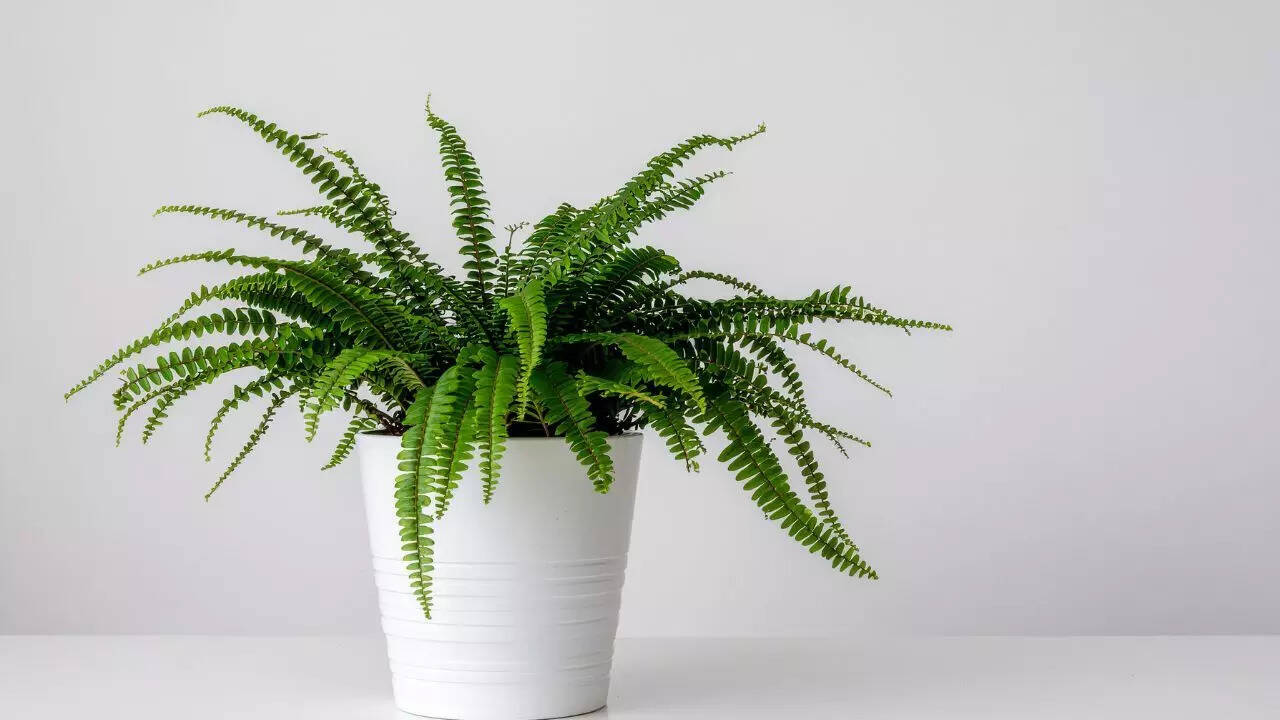
Boston ferns are ideal for humid environments and naturally clean the air. In bathrooms, these plants also arch fronds to further enhance moisture regulation by pulling formaldehyde and xylene out of the air. Boston ferns prefer indirect light and consistently moist soil. This lush texture adds a refreshing, spa-like feel to a bathroom.
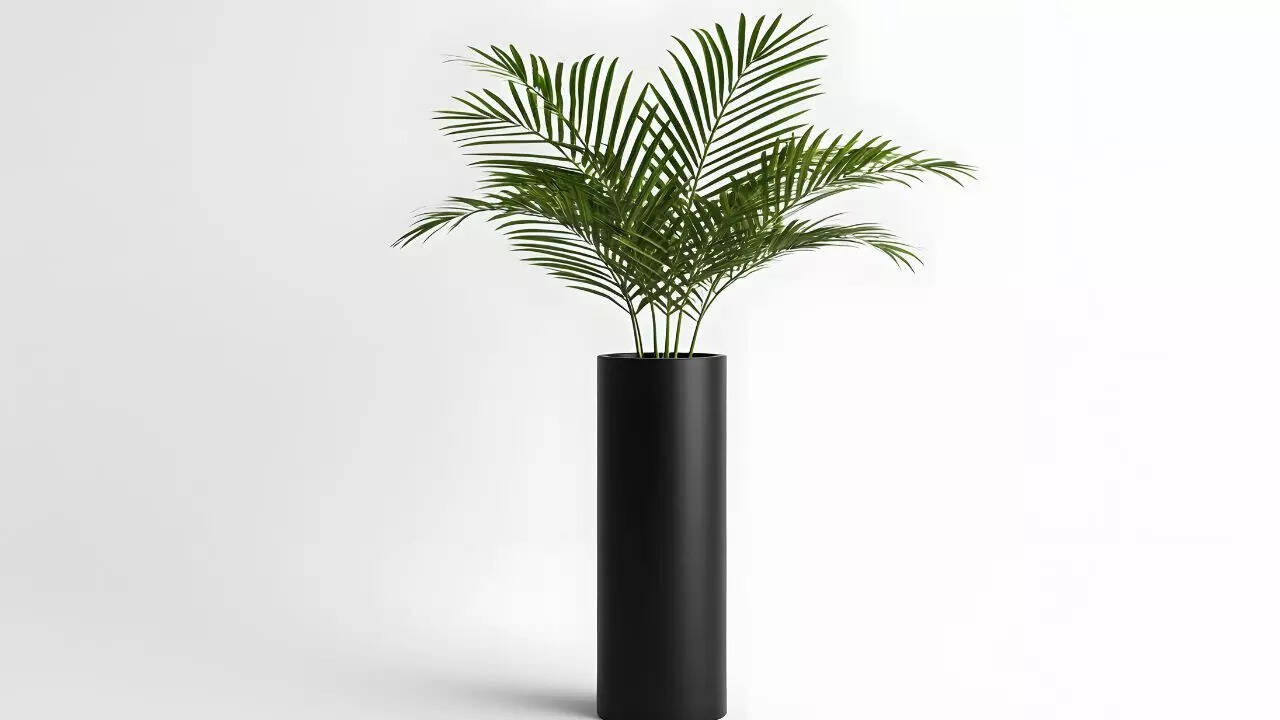
Adding a tropical touch to bathrooms, bamboo palms are great air purifiers. These palms clean up formaldehyde, benzene, and trichloroethylene VOCs. Their long, feathery leaves naturally increase the moisture level in the room. Providing bright, indirect light with well-drained, moist soil will keep these plants happy. Bamboo palms can help add height and freshness that fights odours and improves the overall atmosphere in bathrooms with a window or at least some natural light.
About the Author