When Donald Trump writes that he is “no longer obligated to think purely of peace,” it is not a flourish, a threat-by-tweet, or a trial balloon. It is the most explicit articulation yet of a worldview he has been signalling for years. The now-confirmed letter to Norway’s prime minister, circulated deliberately among European diplomats, does not merely complain about a Nobel snub or revive his fixation with Greenland. It codifies a doctrine.To understand why this letter matters, it helps to place it within the arc of Trump’s return to power, his long-standing contempt for the rules-based international order, and the post-October 7 world in which American power has stopped pretending to be shy.Here are five takeaways, with the background that explains why this moment is different.
1. Trump is not abandoning peace. He is downgrading it.
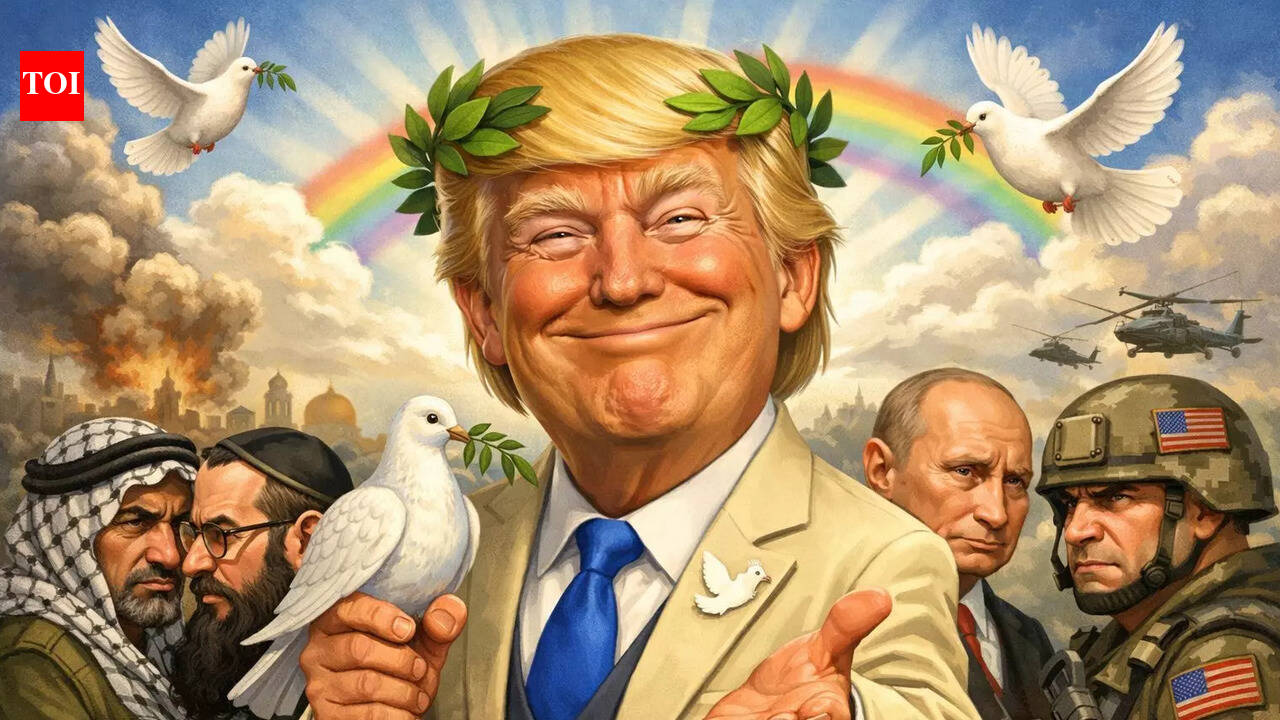
Trump’s line about no longer feeling obligated to think “purely of peace” has been read by some as emotional blackmail over the Nobel Prize. That misses the point. Trump is not rejecting peace as an outcome. He is rejecting peace as a constraint.For decades, American presidents cloaked coercion in moral language. From humanitarian interventions to democracy promotion, force was justified as an unpleasant necessity in service of a higher good. Trump strips away that pretence. Peace, in his framework, is desirable when it aligns with American advantage or personal legacy. When it does not, it becomes optional.This is not a sudden pivot. Trump has long viewed international law as theatre and restraint as weakness. What the letter does is say the quiet part out loud. Peace is no longer the default posture of American power. It is one instrument among many.
2. The Nobel Prize obsession reveals how Trump sees legitimacy
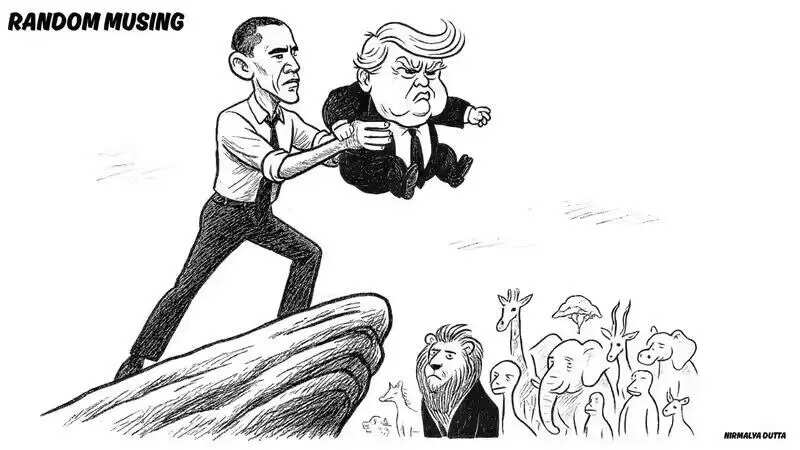
Trump’s fixation on the Nobel Peace Prize is not about Oslo or medals. It is about validation. In Trump’s mental ledger, legitimacy flows not from institutions but from recognition. Barack Obama receiving the prize in 2009 remains a psychic wound because it represented consecration without conquest.By blaming Norway’s prime minister for a decision made by an independent committee, Trump collapses process into personality. Institutions do not matter. Only outcomes do. And outcomes, in Trump’s world, are personal.The letter treats the Nobel Prize as a transactional marker. Recognition given buys restraint. Recognition denied withdraws it. That is not petulance. It is a worldview where symbolic capital carries policy consequences. Prestige is leverage. Snubs have costs.
3. Greenland is no longer a provocation. It is a claim.
Trump’s Greenland rhetoric has evolved. In his first term, it was dismissed as real estate trolling. Now, it is framed as a security imperative. The letter questions Denmark’s right of ownership, argues that Denmark cannot defend the territory, and asserts that global security depends on American control.This matters because it reframes sovereignty. In Trump’s doctrine, ownership is conditional on power. History, treaties, and international law are secondary to capability and will. If the US believes a territory is strategically vital, then legitimacy flows from force, not paperwork.Greenland sits at the intersection of Arctic militarisation, great-power rivalry, and resource competition. Trump’s letter treats that reality not as a reason for alliance management, but as justification for dominance. Negotiation is replaced by entitlement. Consent is treated as a courtesy, not a requirement.
4. NATO is not an alliance. It is an account ledger.
Trump’s insistence that he has done more for NATO than anyone since its founding, followed by the demand that NATO now “do something” for the United States, captures the Trump Doctrine in miniature.Alliances, in this view, are not shared commitments built on trust. They are transactional relationships governed by credits and debits. The US pays. Allies owe. Collective defence becomes conditional service.This is why European capitals are alarmed. The danger is not that Trump will leave NATO. It is that he will hollow it out from within, converting mutual defence into an instrument of leverage. Protection becomes contingent on obedience. Security becomes something to be earned repeatedly.For small and medium states, this is destabilising. For rivals, it is clarifying. Power is no longer disguised as partnership.
5. Ambiguity to coercion
Perhaps the most important background detail is not what the letter says, but how it was handled. It was not leaked accidentally. It was circulated. Deliberately. By national security staff. To European ambassadors.That matters because it gives the message institutional weight. This was not Trump riffing. This was the US state amplifying a threat.In classic diplomacy, ambiguity creates space. In Trump’s diplomacy, clarity creates submission. The letter removes deniability. It tells allies exactly how Washington now thinks: gratitude is expected, compliance is assumed, and resistance will be met with pressure.This is coercive diplomacy without euphemism. It reflects a broader pattern since Trump’s return, from public humiliations of allied leaders to open threats over trade, territory, and loyalty. Diplomacy becomes performance. Pressure becomes policy.
The bigger picture: this is the Trump Doctrine in writing
Every American president has had a doctrine, whether they admitted it or not. Monroe warned Europe off the Western Hemisphere. Roosevelt claimed policing rights. Truman framed containment. Reagan wrapped force in freedom. Bush spoke of pre-emption. Obama preferred drones to troops.Trump’s doctrine is simpler and more honest. Power matters. Rules do not. Deals trump norms. Insults demand retaliation. Loyalty is currency. Peace is conditional. The letter to Norway’s prime minister is not an aberration. It is a thesis statement. It reflects a world shaped by October 7, by the collapse of restraint in Gaza, by the reassertion of American hard power, and by Trump’s belief that the illusion of moral order has finally worn thin.In this world, the rules-based international order is not reformed. It is discarded. What replaces it is not chaos, but hierarchy. A system where strength confers legitimacy and hesitation invites punishment. Trump did not invent this logic. But he has stopped pretending otherwise. And that is why this letter matters. It marks the moment when peace stopped being the starting assumption of American power and became just another bargaining chip.
About the Author