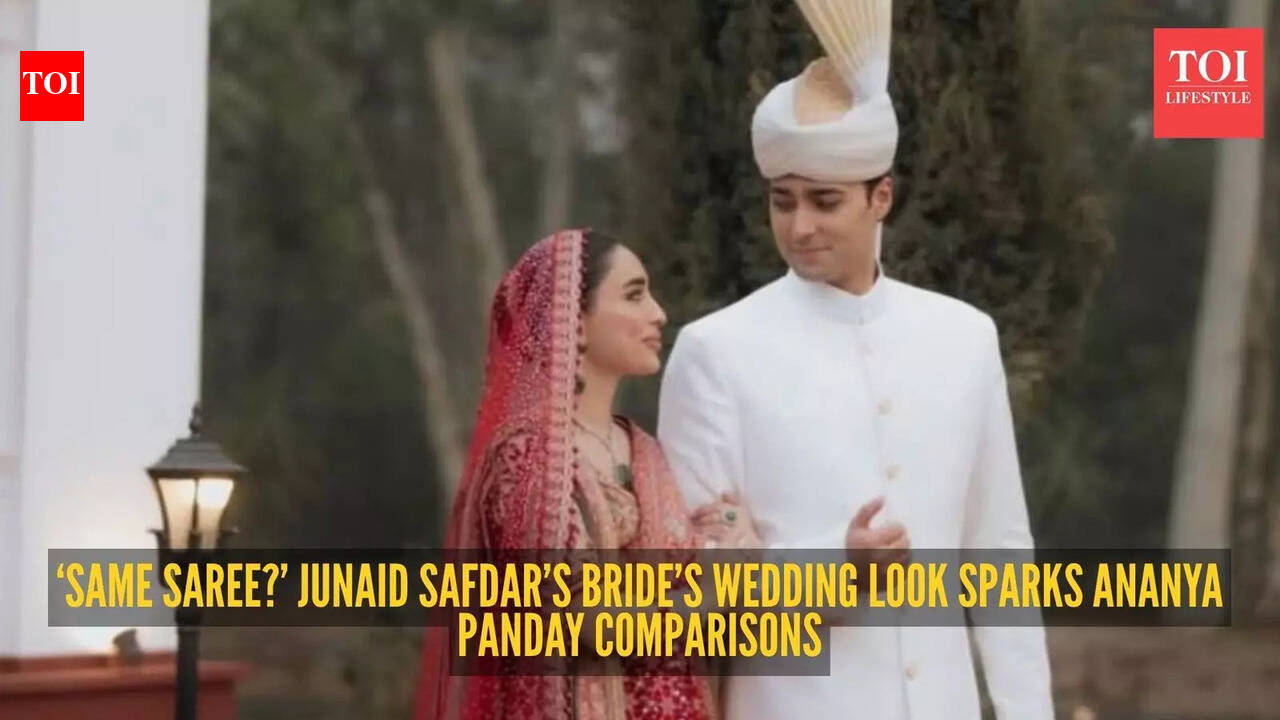
What’s being dubbed the wedding of the season in India’s neighbouring country continues to dominate social media timelines – not just for its guest list or scale, but for the fashion conversations it has sparked. As Junaid Safdar tied the knot with Shanzeh Ali Rohail in a lavish, closely watched celebration, it was the wedding wardrobes that truly stole the spotlight.And not all of it was praise.Fashion content creator and stylist Moeed Shah recently shared a candid breakdown of the baraat looks on Instagram, and his review quickly went viral. While the groom and his mother earned glowing nods, the bride’s fashion choices sparked debate – and disappointment.In his video, Moeed admitted he was left confused after seeing the baraat visuals. His main issue? The bride’s decision to wear a red saree by celebrated Indian designer Tarun Tahiliani for a moment that many expected to be unforgettable. According to him, the look lacked novelty and impact, especially given that the same saree silhouette had already been seen on an Indian actor at a recent wedding reception.
For an event of this scale – one watched closely both within the country and beyond – Moeed felt the bridal styling played it too safe. “There was no surprise element,” he explained, adding that a wedding this prominent called for a fashion moment that felt bold, fresh, and personal.
He also questioned the absence of local craftsmanship on the baraat day. While the bride had earlier opted for an Indian designer ensemble for her mehendi, Moeed felt the main ceremony was the perfect opportunity to spotlight homegrown design talent. In his view, a wedding with this kind of visibility carries cultural weight – and fashion, he argued, is part of that storytelling.Another point he raised was the lack of distinction between the bride’s wedding looks. From hair to makeup to overall mood, Moeed felt the mehendi and baraat appearances blended into each other. “This is the one time brides are allowed to go all out,” he said, noting that a shift in energy or styling could have elevated the moment.Interestingly, the real scene-stealer, according to Moeed, was the groom’s mother. Dressed in a rich golden suit by renowned designer Iqbal Hussain, she leaned into traditional elegance with confidence. Her look was finished with a heavy kundan necklace, bindi, mehndi, and even a luxury Valentino bag – a mix that struck the right balance between heritage and high fashion.
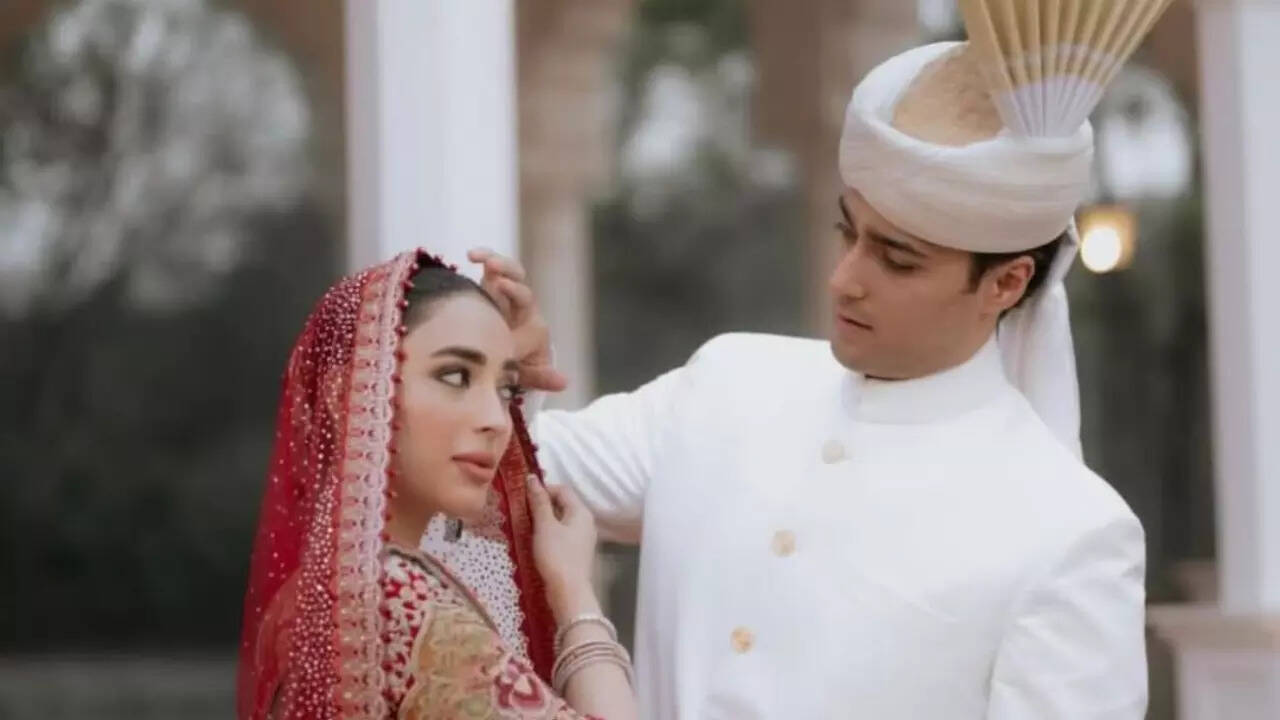
“She had everything that felt missing elsewhere,” Moeed remarked, praising her for fully embracing the spirit of a classic wedding celebration. In his eyes, she effortlessly commanded attention and set the fashion bar high.The groom, meanwhile, escaped critique entirely. Junaid Safdar wore a crisp white sherwani by Hassan Sheheryar Yasin, detailed with gold buttons. Moeed summed it up simply: regal, polished, and prince-like – no notes needed.In the end, while the bride was acknowledged as looking graceful, the verdict was clear. For Moeed, the standout fashion moments belonged to the groom and his mother – both of whom, he declared, truly understood the assignment.
About the Author