
Travel has changed a lot throughout the years, and hence the language that revolves around the concept keeps on adapting to the changing environment. As people travel to far-off places, the language used to describe the concept keeps evolving, which results in new terms being used by travellers for the latest reasons, habits, or trends of the adventure. Whether the adventure involves exploring new places with buddies or extracting the maximum out of life, these are the new buzzwords for travel that reflect the concept we constructed for exploring the world. Whether you are an experienced adventure-seeker or are about to embark on your first adventure, mastering the new buzz words for travel helps an individual fit right in with the latest travel trend.
10 new travel terms for 2026 and their meanings
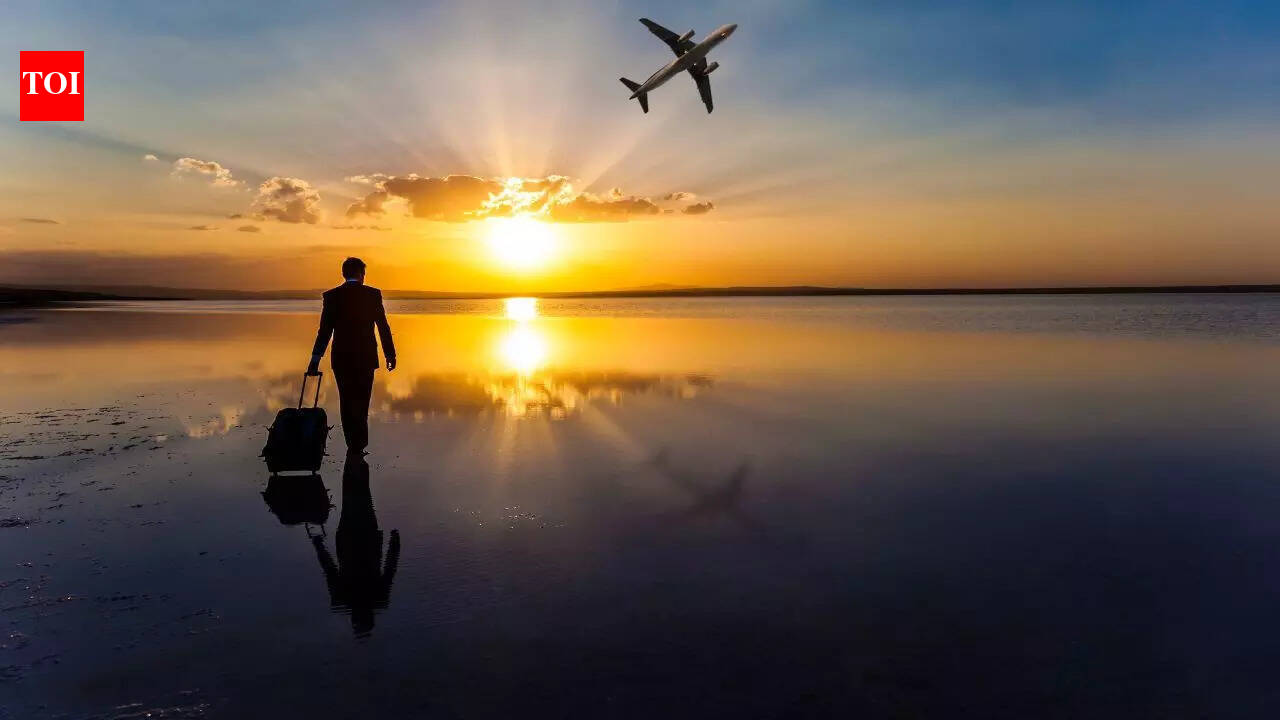
It’s essential to note that all the travel words mentioned represent travel trends, which are a result of changing lifestyles, work flexibility, and priorities. Some travel words convey the emotional connection to travel, while others reveal companions, duration, or other travel details. Revenge travel is the desire to get out and travel like crazy when you’ve been forced to stay indoors and in lockdown. “Make up for lost time” is the concept people believe when booking their trips. It usually means they’re going to spend more money, stay out longer, and possibly take several trips back-to-back.
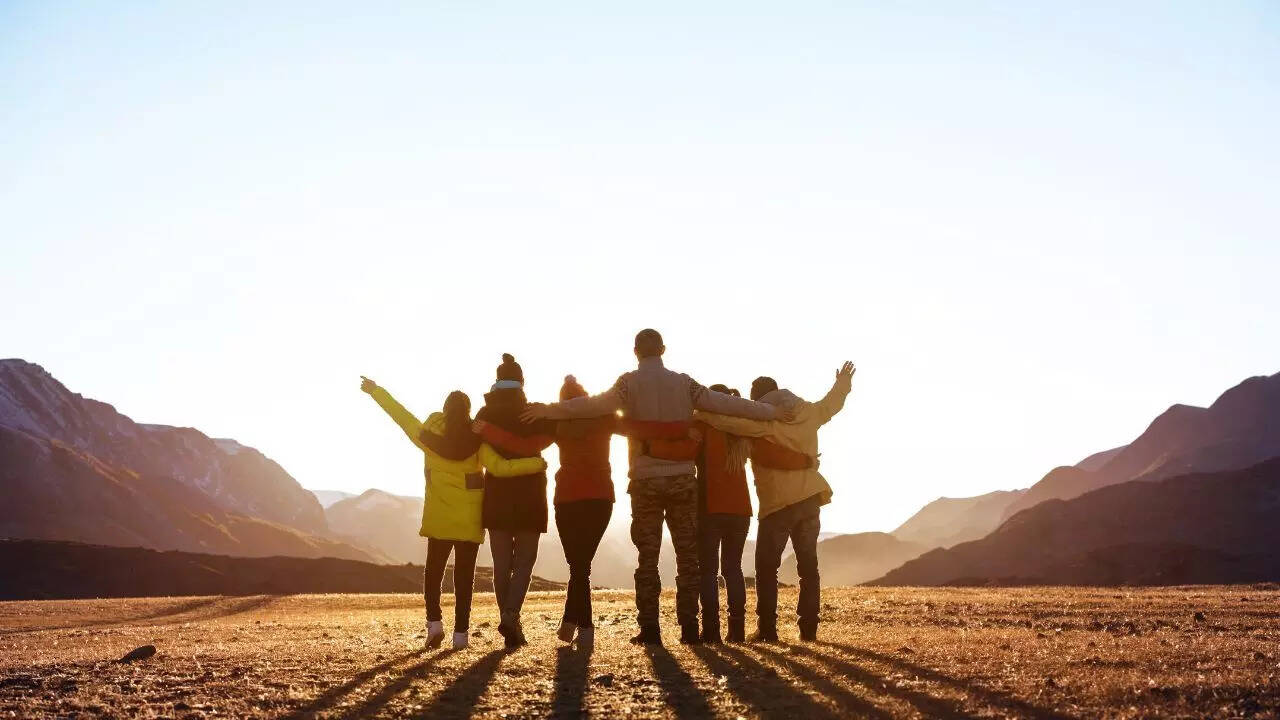
A friendcation is a trip taken with friends as opposed to either relatives or a romantic partner. Friendcations primarily involve activities that entail bonding as well as times of great fun, especially for adults. These trips are usually relaxed and fun-filled.

A workcation combines work and vacation. With a workcation, you work from a beautiful location, maintaining your productivity level, but with a better work-life balance. This trend helps reduce burnout while maintaining productivity.“Glocal Travel” combines the idea of global awareness with local discovery. There is an exploration of the immediate neighbourhood by a global lens, which promotes the local culture, cuisine, and economy by reducing the need for intercontinental travel. It’s ideal for those seeking meaningful travel without long journeys.
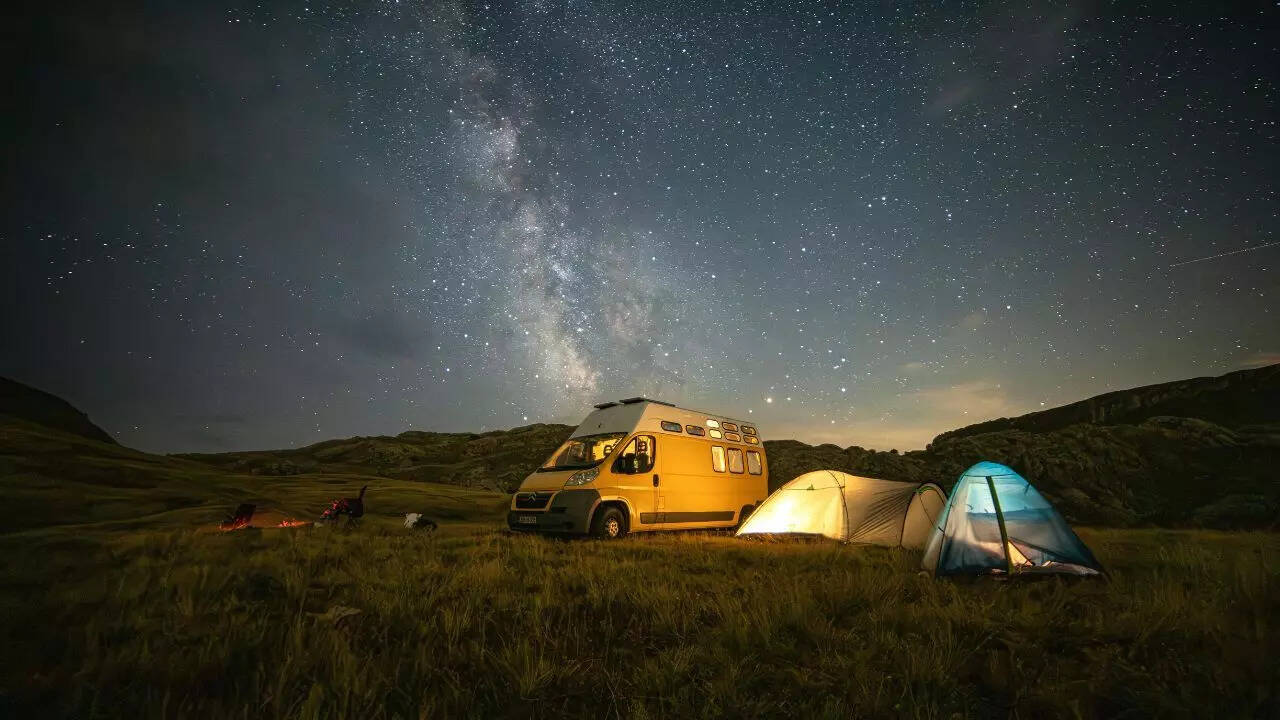
Gramping refers to the activity of going outdoors with grandparents or other elders, with a degree of added comfort. Gramping ensures an experience that combines nature and ease. It helps families create multi-generational memories.A schoolcation is a vacation taken during school days. Parents integrate schooling with vacationing. They allow the kids to learn through experiences during their schoolcation. Children learn through museums, cultural exposure, and real-life experiences. Educational activities are planned alongside fun, helping kids understand the world beyond classrooms.A solomoon is basically a solitary honeymoon or personal celebration. This is all about taking care of yourself, reflecting, and being independent. People usually find quiet and peaceful places or health retreats and use the trip as an opportunity to regain confidence and become better individuals.Always Out Of Office is the name given to those people who love to move from place to place and work in an unstructured fashion. They design their work lives to follow them and give them the freedom to call the entire world their office. It’s common among digital nomads and remote professionals.Microcations, also known as staycations, are small excursions that last no more than one to three days, usually in the local area. This is a simple, budget-friendly way to organise a vacation. This is the best vacation for a tight schedule because the stress disappears without costing a lot of vacation days.

Set-jetting refers to the art of location-hunting, which involves destinations explored through screens, film, and TV shows. Travellers finally get to live the moments that caught their attention through the screen. This trend boosts tourism in filming locations and combines storytelling with travel inspiration.
About the Author