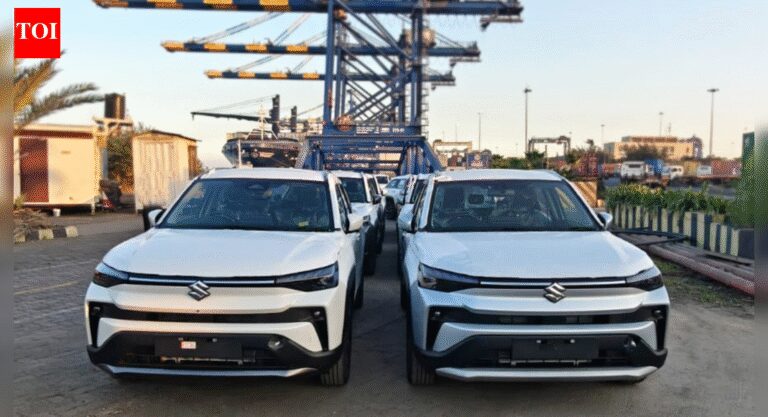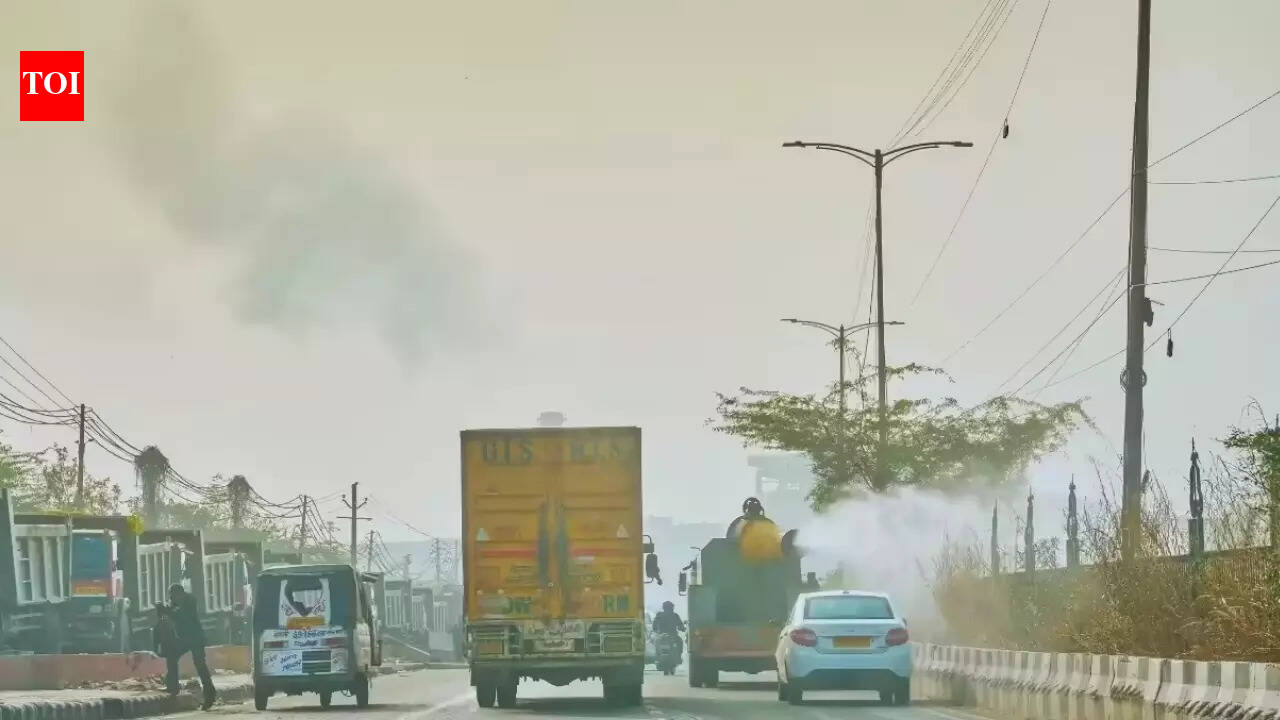
The Commission for Air Quality Management has reimposed Stage 3 of the Graded Response Action Plan (GRAP) across Delhi and the NCR as air pollution levels continue to worsen. Earlier today, Delhi’s Air Quality Index stood at 368, remaining in the ‘very poor’ category and marking a rise from Friday’s reading of 354. The move has been taken as a precautionary step to prevent air quality from slipping further into the ‘severe’ zone.With GRAP Stage 3 back in force, restrictions on vehicle movement have once again come into effect. Here’s a quick look at what vehicles are allowed to ply and what are not.
Delhi GRAP III : What vehicles can you drive in Delhi-NCR
Owners of BS-IV petrol cars can continue to use their vehicles across Delhi-NCR, irrespective of whether the car is registered in Delhi or outside. However, the vehicle must have a valid Pollution Under Control Certificate. Vehicles without a valid PUCC are not allowed to ply, and fuel stations have been instructed not to dispense fuel to such vehicles, regardless of their emission norms.
On the other hand, BS-III petrol and BS-IV diesel light motor vehicles, including cars, have been barred from plying across Delhi-NCR during this phase of GRAP. This restriction applies across the board and is not dependent on the vehicle’s place of registration or the availability of a valid PUCC. The curbs extend beyond private vehicles to commercial transport as well, with tighter checks on diesel-powered goods carriers.Delhi-registered diesel medium goods vehicles that comply with BS-IV standards or below are not permitted to operate within the capital during GRAP Stage 3. An exception has been made only for vehicles involved in the transport of essential commodities or those providing essential services. Similarly, BS-IV diesel light commercial vehicles registered outside Delhi are not allowed to enter the city, unless they are carrying essential goods or are part of essential service operations.Certain exemptions remain in place despite the restrictions. Vehicles specially adapted for persons with disabilities are allowed to operate, provided they are used strictly for personal mobility. Authorities have also reiterated that construction-related vehicle movement remains heavily restricted, especially for vehicles carrying construction and demolition materials.
About the Author