


You cannot imagine a house without its neighbourhood. A house cannot be imagined in complete isolation. It is always interacting with the things around it. No matter how well-designed or expensive it is, a house is not an island and hence its neighbourhood is important. The neighborhood is a big part of your daily life, whether you buy an apartment or a house on its own. It affects your comfort, safety, daily life, social life, and even the value of your investment over time. A lot of people agree that a beautiful, well-planned home in a bad area can quickly lose its appeal. Noise, bad connections, a lack of basic amenities, or worries about safety can ruin the whole living experience. That’s why it’s important to look at the area around a property before you buy it.When buying a home, here are six important things to look for in a neighborhood.1. Getting around and getting to work every dayOne of the first things to look at is how well the neighborhood is linked to the rest of the city. Being able to easily get to main roads, public transportation, metro stations, or highways can make a big difference in your daily life. If a place looks calm on a map but adds hours to your daily commute, it could become tiring.2. Access to important servicesA good neighborhood makes it easy to live your life without having to fight all the time. Grocery stores, pharmacies, hospitals, clinics, banks, and ATMs are some of the basic services that should be close by. Families with kids really need to be able to get to good schools and colleges. You should also check out utilities like the water supply, the reliability of the electricity, the drainage, and the trash collection. People often forget about these things when they visit a property, but they become very important once you move in. Living in an area with weak civic infrastructure can make everyday life a series of small but constant problems.3. Safety and securityWhen picking a neighborhood, safety is not up for debate. Check out the crime rates, street lighting, police presence, and how safe the area feels at different times of the day. If you can, talk to people who live there. They often give the most honest picture. Look for security guards, CCTV cameras, and access control in apartment buildings. The safety of the street and nearby areas is even more important for single-family homes. The most important thing probably is a safe and crime free locality.
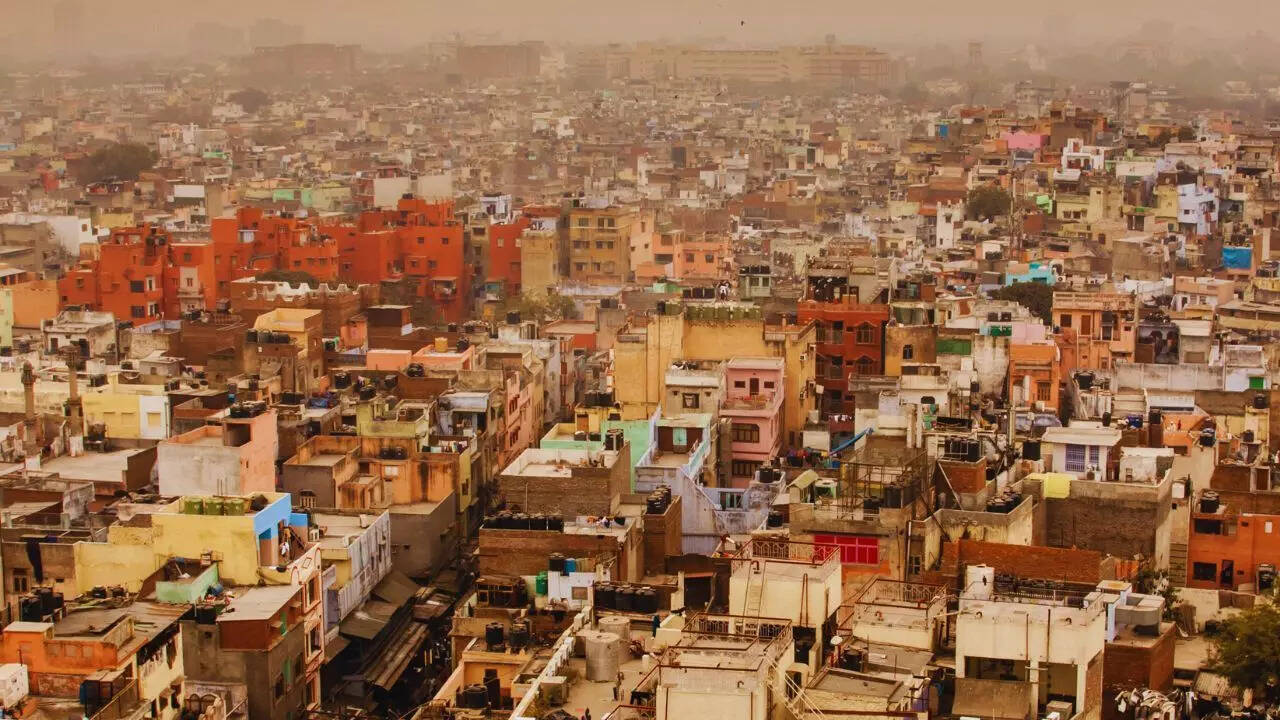
4. Cleanliness and the state of the environmentThe quality of life in a neighborhood can be seen in its physical environment. A healthy neighborhood has clean roads, good drainage, green spaces, and well-kept public areas. Too much dust, open garbage dumps, waterlogging, or construction chaos can make life very uncomfortable and unhealthy. You should also pay attention to how loud the traffic, businesses, or nearby industrial areas are. Even if a house looks great on the inside, living there can be tiring in the long run if there is always noise or pollution outside.5. The community and the social fabricThere are people in a neighborhood, not just buildings. The type of people who live in your neighborhood affects how friendly and comfortable it feels. Some neighborhoods are more family-friendly, while others are more geared toward working professionals. Some neighborhoods may be more commercial in nature.6. Possible future growth and resale valueLastly, think about what will happen to the neighborhood in the future. Over time, planned infrastructure projects, new metro lines, new business centers, or improvements to public spaces can make a place much more livable and increase the value of homes. Uncontrolled building or too many people living in one place can also put a strain on resources and make life worse. If you know the zoning rules, development plans, and the area’s overall growth direction, you can make a better long-term decision. A good neighborhood today should also be a good place to live in the future.Looking past the houseIt’s not just about the size of the property, the inside, or the building’s amenities. The neighborhood will affect how you feel about that house every day. Taking the time to carefully look over the area makes sure that your home stays a place of comfort, safety, and happiness, not regret. The old saying still holds true in real estate: location isn’t everything, but it’s almost everything.
About the Author