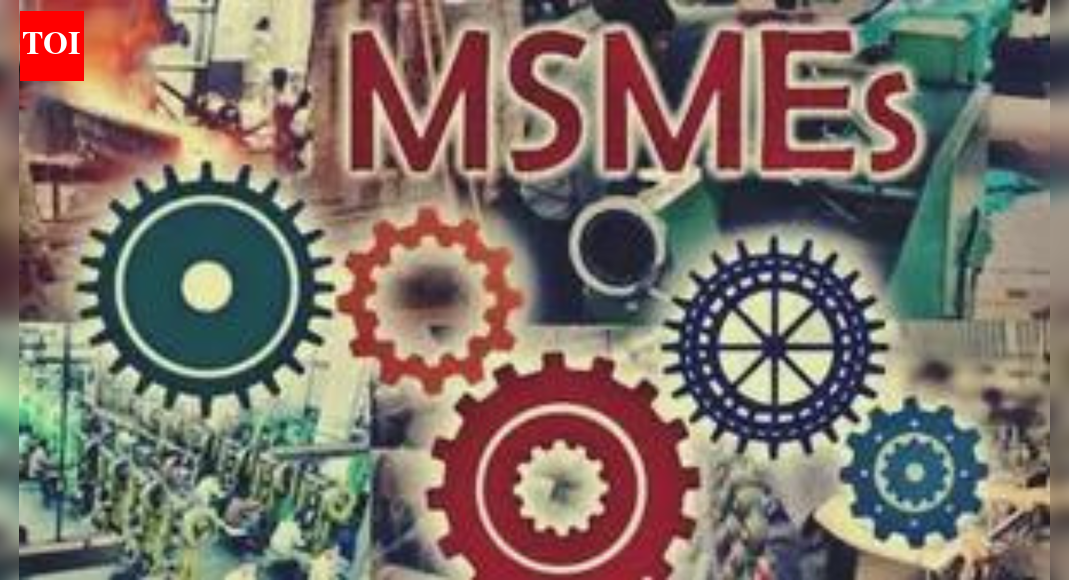

Deloitte India has urged the government to use the FY27 Budget to strengthen India’s trade resilience by expanding export credit and concessional financing for MSMEs, while also earmarking funds for exploration and overseas access to critical minerals, according to its Budget expectations released on Friday .Highlighting the central role of small enterprises in the economy, Deloitte said MSMEs account for about 46 per cent of India’s exports and are the second-largest employer after agriculture. Easing financial and compliance pressures would help these firms navigate global volatility, sustain production and remain competitive in international markets, it said.“Strengthening MSMEs will safeguard jobs and drive inclusive economic growth, boost rural incomes and support India’s ambition to become a global manufacturing hub,” Deloitte said, as quoted PTI, calling for simplified digital processes to reduce compliance burdens and comprehensive training programmes to improve last-mile competitiveness .The firm also recommended targeted export incentives or enhanced duty drawback for tariff-sensitive sectors such as ready-made garments, gems and jewellery, and leather, which face heightened pressure amid shifting global trade rules.Deloitte economist Rumki Majumdar said rising global protectionism and ad-hoc measures—including tariff hikes, rules-of-origin changes and non-tariff barriers—are adding uncertainty for Indian exporters. While the direct impact of global trade frictions on GDP growth may be limited to 40–80 basis points, the spillover effects on MSMEs and employment could be significant, she warned .“MSMEs contribute 30.1 per cent to GDP, account for 45.79 per cent of India’s exports and employ nearly 290 million people; disruptions in export markets or tightening trade rules pose serious risks to jobs and income stability,” Majumdar said.On resource security, Deloitte suggested creating a dedicated critical minerals fund to finance overseas acquisitions and technology collaborations, alongside greater allocations for domestic exploration, extraction and processing of minerals such as lithium, cobalt and rare earth magnets. It also called for deeper global collaboration with regions including Africa, Australia and Latin America to secure upstream access and joint R&D in mineral processing and recycling.In addition, the firm advocated incentivising investments in renewable energy, green hydrogen and grid-scale storage, arguing that these measures would reduce external vulnerabilities and support India’s long-term transition to clean energy.
About the Author