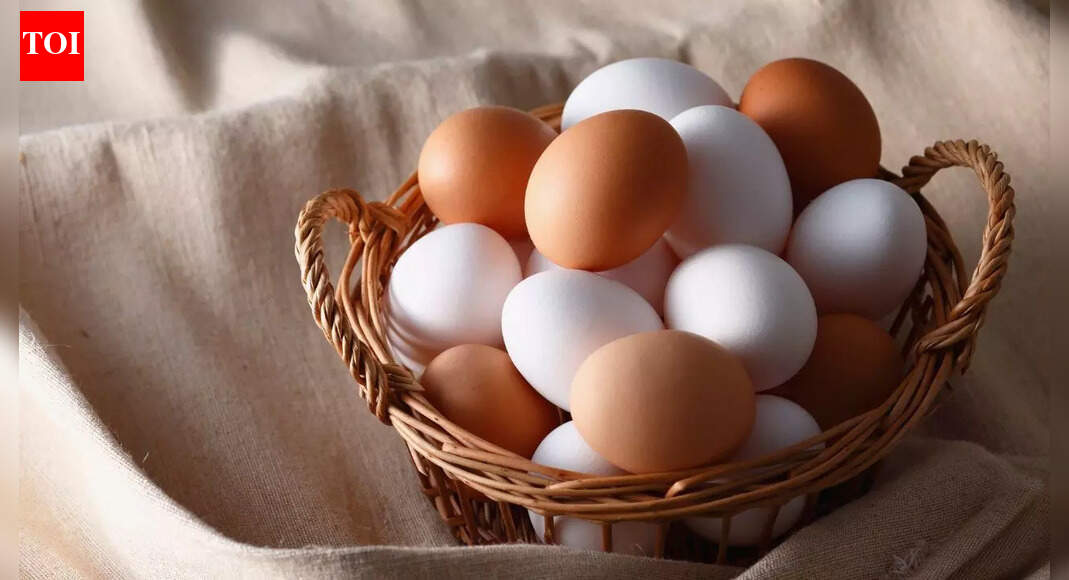
Hard-boiled eggs are a common ingredient in many kitchens due to their quick preparation time. However, the speed at which you cool them after boiling can make a significant difference in their final quality.It’s a safe bet that most of you grab the pot and dump the cooked eggs into cold water or an ice bath to help in peeling. While it may be the most effective way to cook the eggs, sometimes a quick shock of cold temperatures can be detrimental to the final product, as it can crack the shell, force water into the egg, and affect the flavour and texture.There are easier, more intelligent ways to chill hard-boiled eggs. This article discusses the reasons why pouring eggs into cold water is not necessarily the best action.
Why cold water after cooking can harm egg texture?
Placing the eggs in cold water after boiling them is accompanied by a shock change in temperature. A rapid temperature change can cause your eggshell to crack at the microscopic level, allowing water to penetrate the egg and making the egg whites runny and smelly. Rapid cooling can also change the protein structure in eggs, making them rubbery instead of smooth when consumed.
How to cool eggs the right way?
To retain the desired texture as well as avoid any damage to the shell, one should:Switch off the burner and let the eggs rest in the hot water for 2 to 3 minutes to allow the temperatures to equalise.Drain the hot water and substitute it with warm water instead of using cold water. This prevents a drastic temperature change.It is only after this initial cooling phase that you should switch to cold water to heat the eggs to eating temperature. This is because sudden temperature changes cause eggs to crack.
How cold water affects peeling and colour?
Immediately cooling boiled eggs in cold or ice water can help some cooks shed the shell more easily as the interior contracts and pulls away from the shell. But it isn’t a magic solution and has trade-offs. Going immediately to cold can cause a greenish ring around the yolk, a harmless but unattractive discolouration. Slower cooling typically preserves texture and appearance better for most recipes.When preparing eggs for salads or deviled eggs, you can use the coldwater process to achieve a particular yolk firmness. But even then, it should be done in stages rather than a direct ice plunge right from boiling.
How cooling method affects egg shelf life and storage?
Taking an abrupt plunge into cold water may force the moisture through small shell cracks, enhancing the chances of bacteria during storage time. Taking your time to cool keeps the shell dry and intact, and freshness in for a longer time in the fridge. Proper, slow cooling similarly decreases condensation on the shell, allowing boiled eggs to last longer without off-odours and/or texture changes.
About the Author