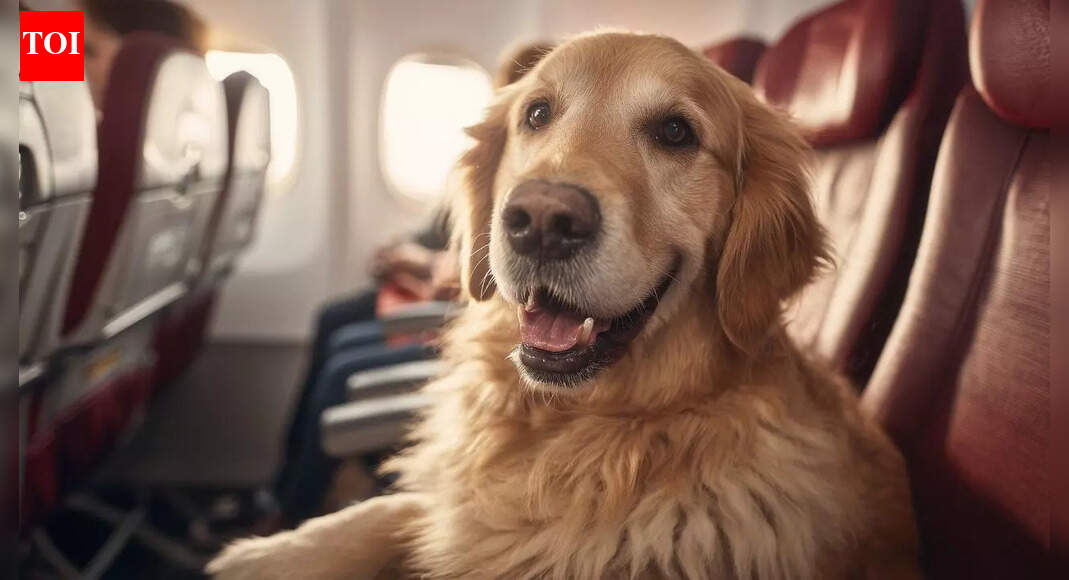
Flying with your pet in the cabin is no doubt exciting, but it requires quite a bit of attention to detail and preparation before boarding the plane. Skimp on just one point, and you may turn what could be a hassle-free journey into one with a real hassle. Airlines impose strict rules regarding animals flying in the cabin. Some allow your pets to travel with you, and some don’t. The upside is that numerous airlines allow small pets in the cabin, and with the right plan, you and your furry friend can fly comfortably. This article covers what to expect, how to get ready, and ways to make cabin travel less stressful and safer for your pet. Planning beforehand always ensures that both you and your pet arrive relaxed and happy.
Things to keep in mind when travelling with your pet
When you travel with a pet, plan a little. First, check to see if the airline charges a fee for flying with your pet. Policies and costs vary from carrier to carrier. Second, make sure you’ve got all the relevant documents ready before arriving at the airport. Vaccination records, health certificates, and ID papers will serve you well in trying to avoid last-minute problems. Be certain whether your pet will fly in the cabin with you or in the cargo hold. The policy varies according to airline regulations, the size of your pet, and the type of plane. Getting these particulars ironed out ahead of time can really make the journey less stressful for both you and your pet.
Tips to carry your pet in the aeroplane cabin
As mentioned in an article by the U.S. Department of Transportation, there are several useful tips you can use when travelling with your pet in the aeroplane cabin. These guidelines will help you have a smooth and safe travel experience. By keeping these tips in mind, you and other passengers can enjoy a comfortable and hassle-free travel experience with your pet.
- Choose an airline-approved pet carrier
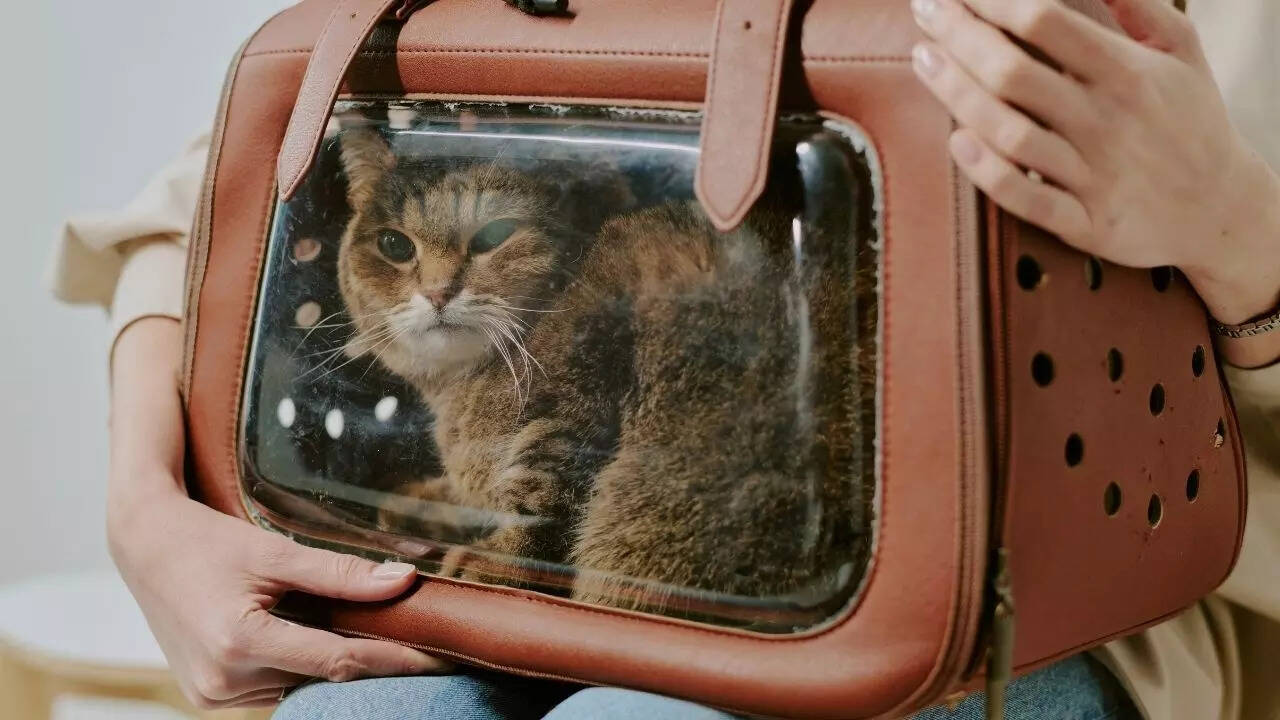
Carrier selection alters the entire air travel experience. It must be able to fit below the seat that is in front of you. There should be enough space for the animal to stand, turn around, and lie down. The soft-sided carriers are most preferred since they conveniently fit into confined spaces. A well-ventilated and secure pet carrier ensures the animal feels safe during the entire transport process.
- Pick the right seat for comfort and safety
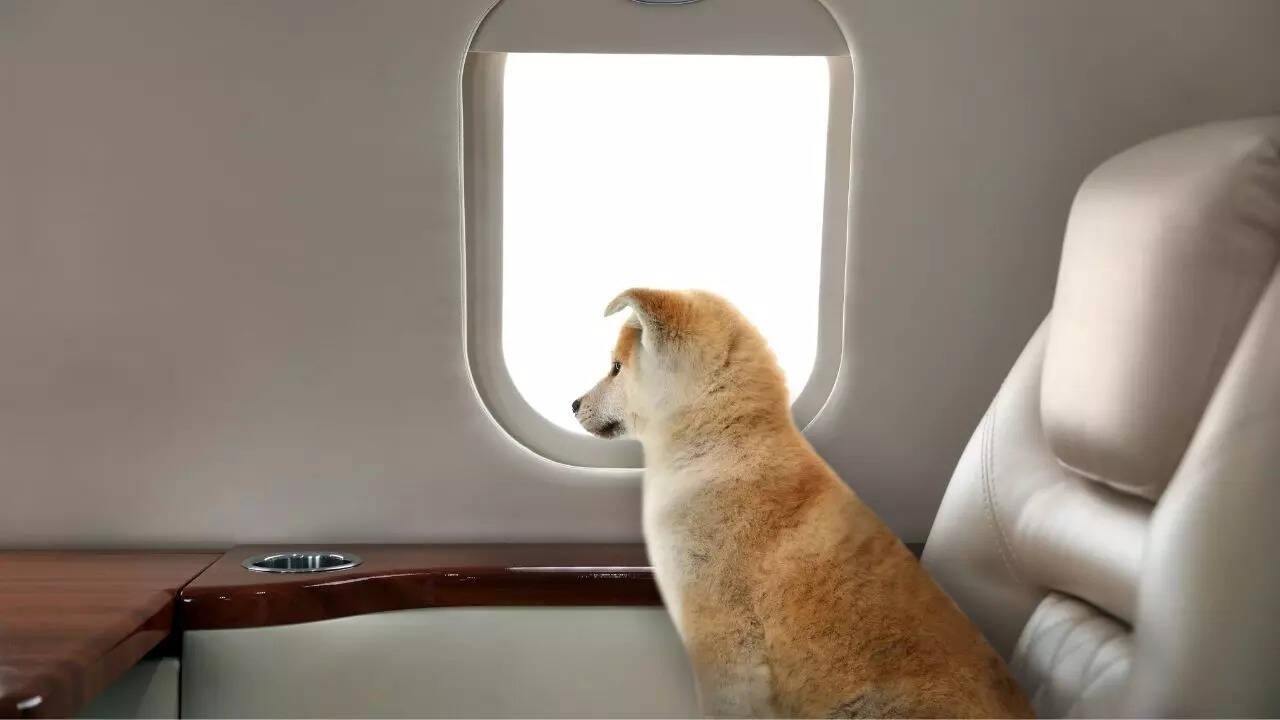
Where you sit might also make a difference. Pre-reservation of a window seat makes it easier for your dog to accompany you, as this seat tends to have fewer people walking by. Avoid the bulkhead seats, as pets are not allowed under seats due to under-seat storage restrictions.
- Avoid feeding right before the flight

Monitoring meal timing for your pet will make travelling easier. Before you leave, give your pet a light meal 4 to 6 hours before heading off. If your pet feels thirsty, you can allow it to drink water, but no need to overfeed.
- Pack a small pet travel kit
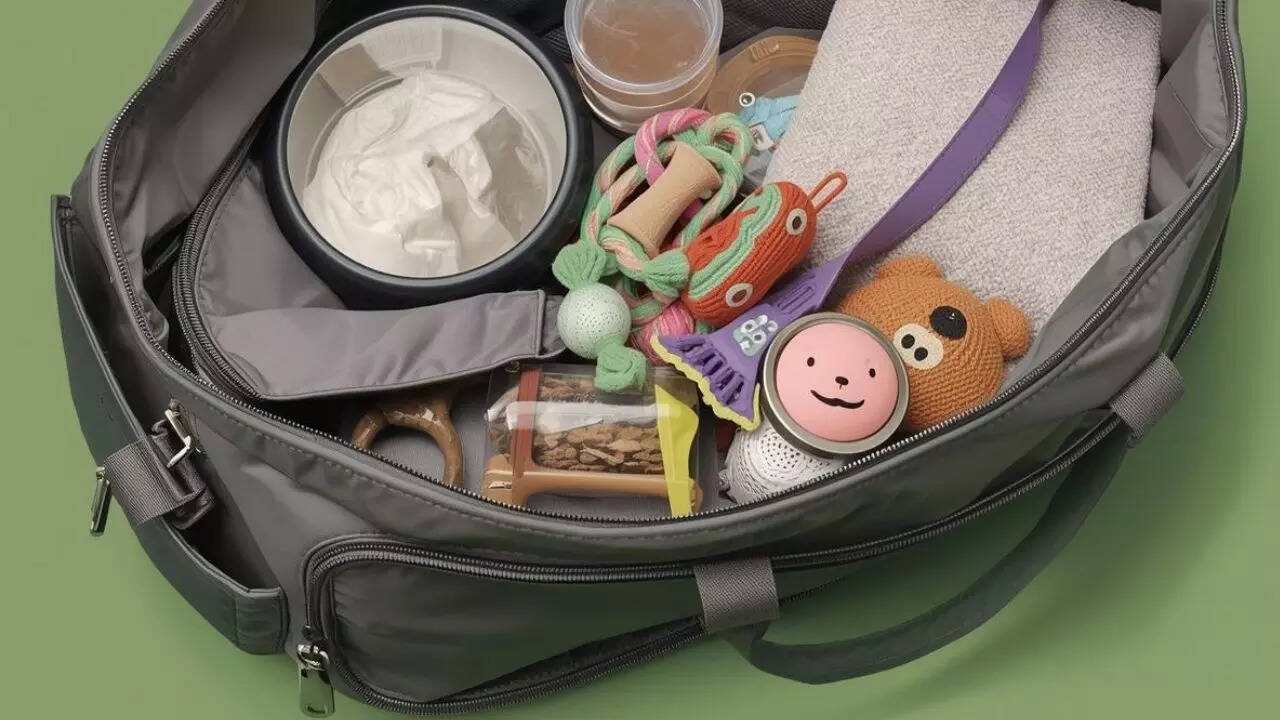
To make it easier for yourself to deal with surprises that will surely arise, you must be as prepared as you can be. You will want to have the essentials with you: treats, pee pads, wipes, collapsible bowls, and an extra copy of your documents.
- Keep your pet calm during security checks
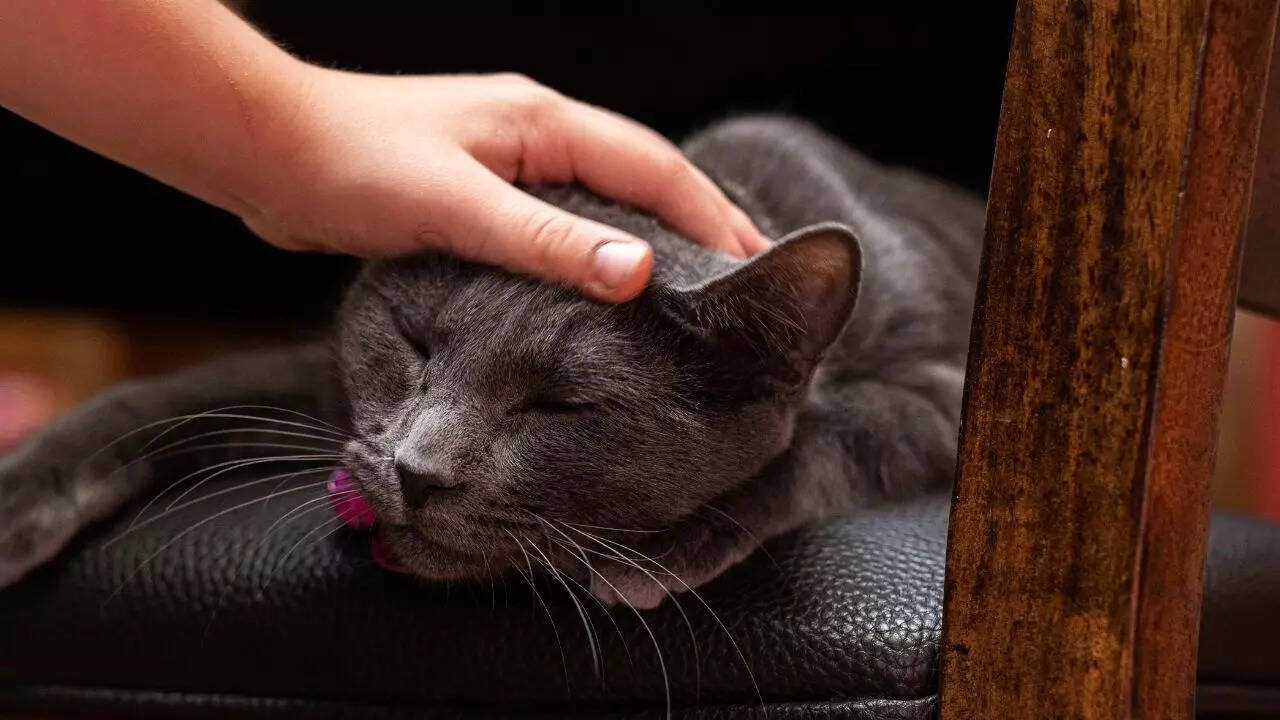
The security lines can be intimidating for animals. During screening at the airport, your pet is normally removed from its carrier for the carrier to be scanned. This is a good time to keep the pet from escaping by using a leash. When you remain calm, the pet is apt to remain that way as well.There may be different policies associated with pets and support animals, which you should be aware of based on your set of circumstances. Airlines often have different policies concerning requirements for documentation, seating, carriers, and travelling in cabins, all of which you can find on airline websites. For your convenience, it is best to check these requirements before your flight.
About the Author