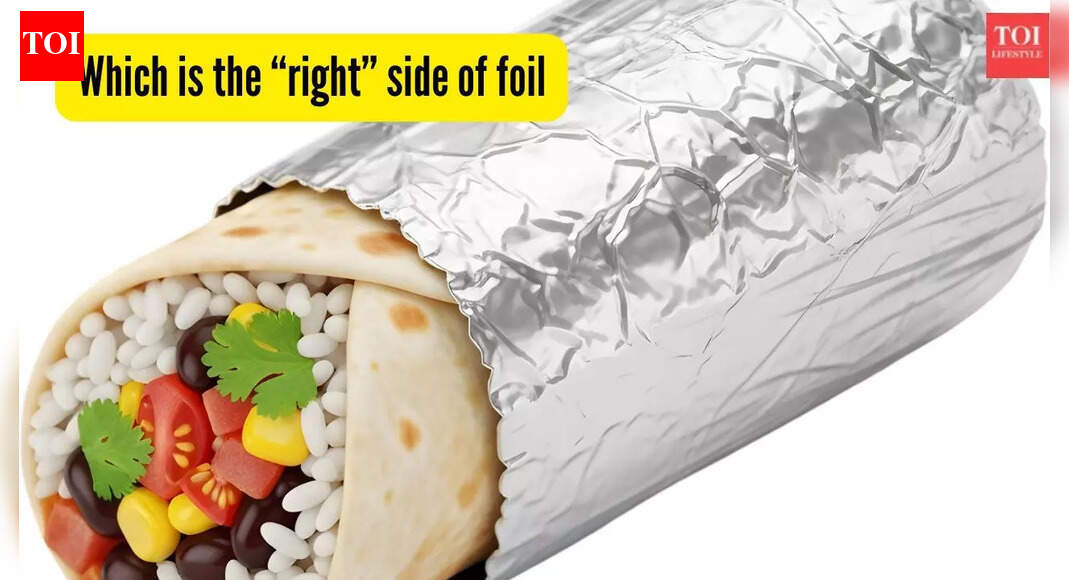
Aluminum foil is one of the most used kitchen products in almost every household. It is used for baking, grilling and food packaging, among others. But despite being a common kitchen product, most people don’t get the logic behind shiny and dull sides. Also there’s a whole lot of misunderstanding when it comes to “which side of the foil should face the food, the shiny or the matte”? Some claim that one side is healthier or say better at cooking than the other. But what’s the reality? The reason is rooted in how aluminum foil is made, and the “right” side mostly depends on context and not culinary mythology.“Well, I have been using the dull side for wrapping my food. Never given a thought if it’s right or wrong”, says Mr. Deshmukh, an IT professional working in Gurugram. Similarly, there are many like him who don’t know the difference between the two. So on this note, let’s try to find the “right” side of the foil.Why two different looking sides
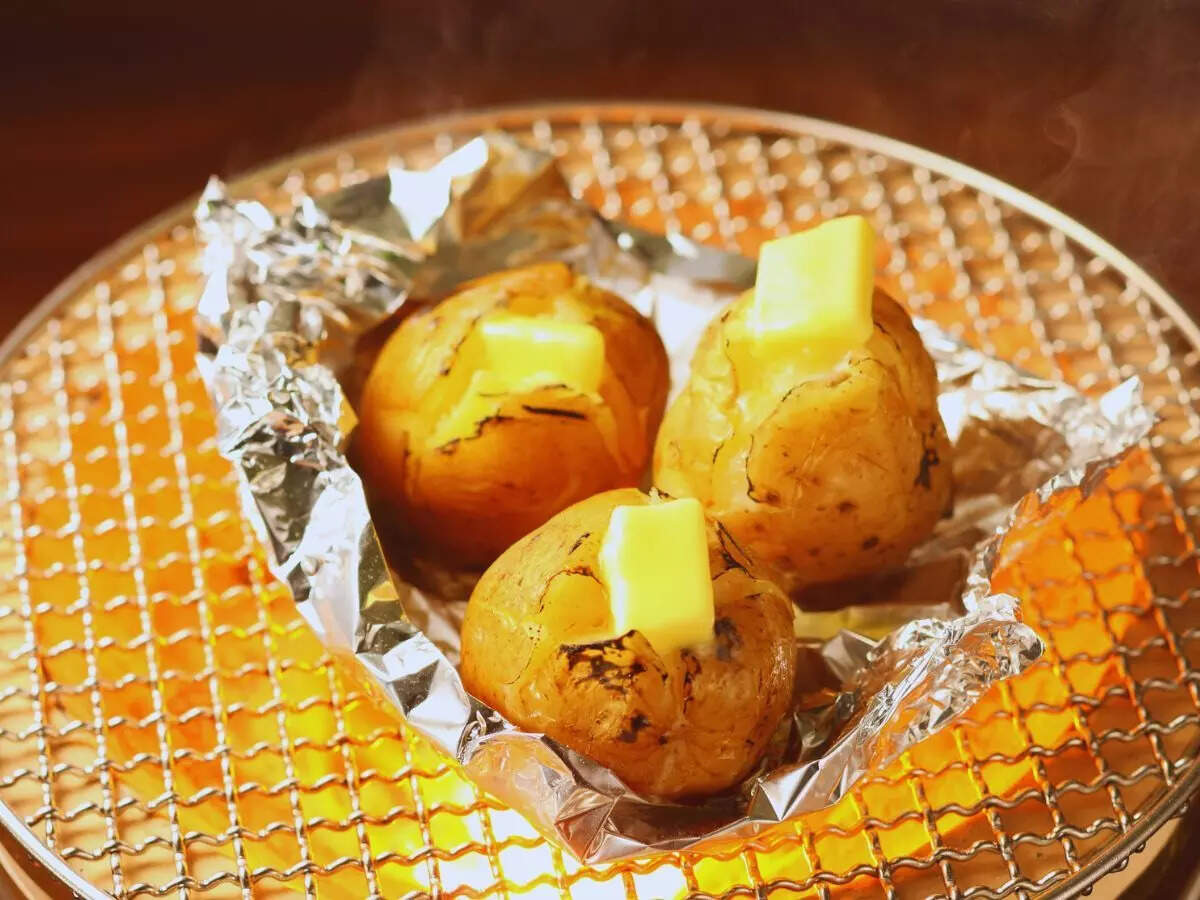
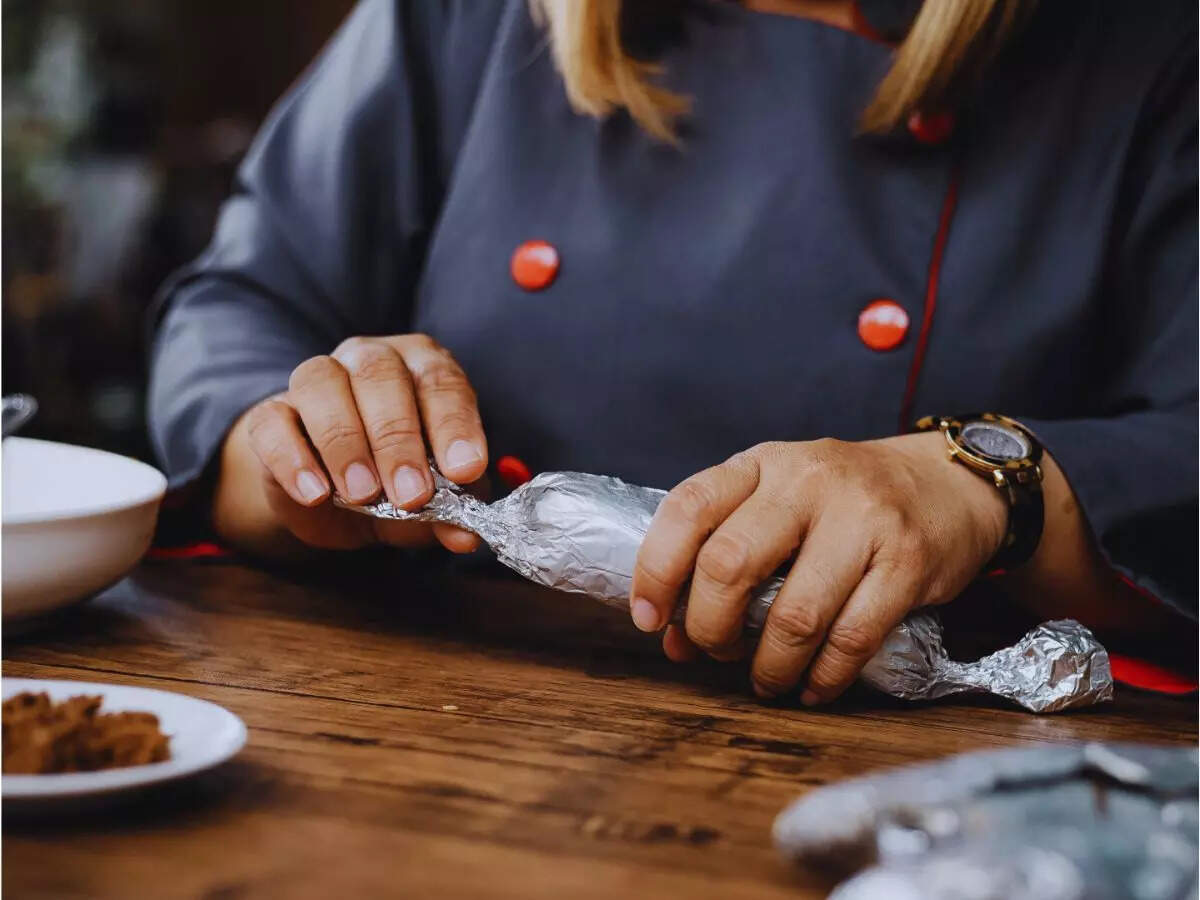
It is all how the foil is manufactured. During the production of aluminium foil:Huge slabs of aluminum are rolled out thinner and thinner repeatedly. The final rolling is done with two sheets at once. And this is the main reason when one side comes into contact with polished steel rollers becomes shiny. While the other side touches the opposite sheet which gives it a matte or dull look.This clearly means the only difference between the two surfaces is how they were rolled. It has nothing to do with their thickness, composition, or food safety. Both sides are made of the same material, just different kinds of finish. Does the side you cook mattersNo, not really. The difference between shiny and dull has nothing to do with how food cooks. Completely insignificant question. Aluminum’s ability to conduct heat is the same regardless of finish. While the shiny side reflects slightly more heat than the dull side, the effect is negligible. Also there’s no chemical difference as both sides have the same reactivity. The foils are used in everyday cooking, baking and storing, it hardly matters which side touches the food. When the side does matter (rarely)Some foils are special, such as non-stick aluminum foil. One side of non-stick foil is coated with a material which saves food from sticking. Only in such cases, manufacturers recommend placing the non-stick side toward the food, just because the coating is done properly on one side. But otherwise, there is hardly any difference. Why such misconceptions
Canva
Misconceptions about foil surfaces are common. The main reasons are:Surface appearance: Humans are naturally aligned to visual differences. For us, a shiny surface is tempting and is “better.” Misinformation: The internet is flooded with blogs and videos spreading rumours and myths around this, the idea that one side is better for cooking. Is there any harm
canva
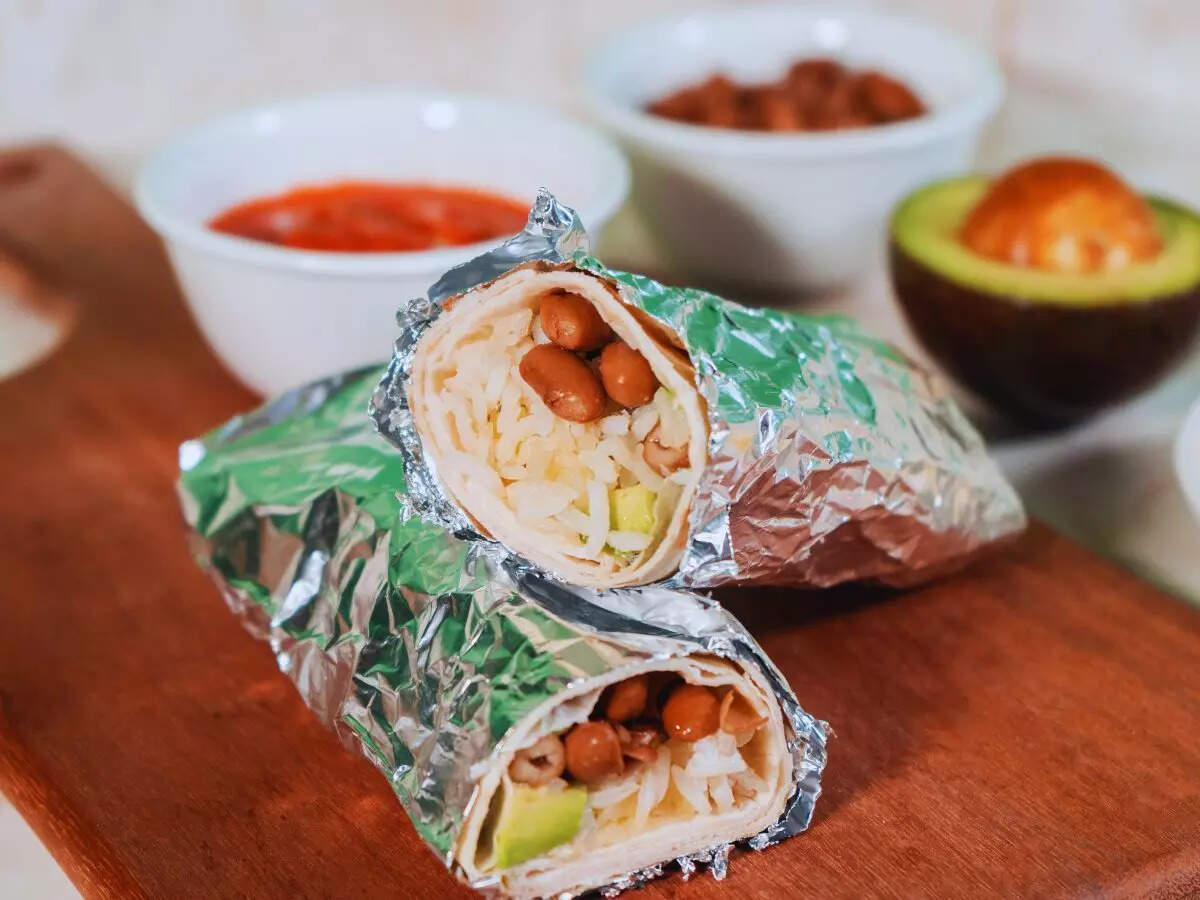
The answer is no. There are no health risks as there is no scientific evidence. Any aluminum that migrates onto food comes from the foil itself. Surface finish has nothing to do with it. It neither affects the quality of your dish. Your food is absolutely safe on both sides. The only caution is with acidic or salty foods cooked at high heat. And foil surface finish doesn’t influence this.So what’s the “right” side of aluminum foil? The simple answer is either side, it makes no significant difference.
About the Author