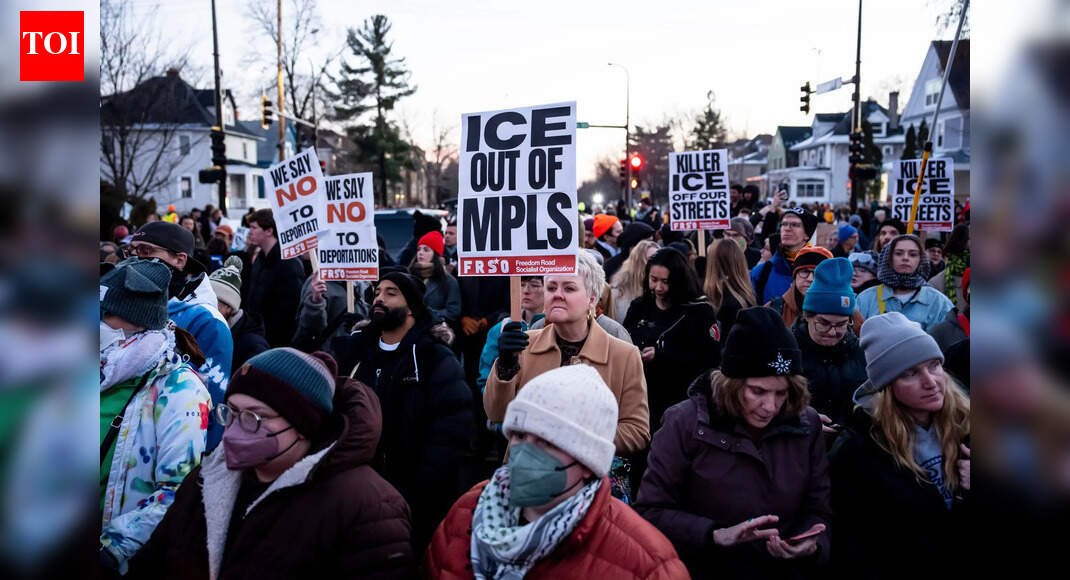
Minneapolis Public Schools (MPS) has introduced optional remote learning through February 12, 2026, following a fatal federal immigration enforcement operation and clashes near Roosevelt High School. The decision was made after a number of school closures throughout the district in the early part of the week and shows how much concern there has been for safety among students, parents, and educators, especially in immigrant communities, according to a report by KFGO News. Parents expressed worries about possible appearances of federal agents when they drop their kids off at school, and teachers talked about the students being more fearful, so the district leadership decided to provide a remote option.
Remote learning in response to safety concerns
Minneapolis is among the few large U.S. school districts to reintroduce a pandemic-style remote learning option in direct response to enforcement activity. Teachers are expected to deliver lessons simultaneously to students in classrooms and those learning from home. According to Local10, union leaders and administrators described this as a necessary step to maintain educational continuity while ensuring safety.District officials noted that attendance had already declined prior to the closures, particularly among students from immigrant families. Counselors at Roosevelt High School reported increases in anxiety, stress, and classroom disruptions linked to student fear of enforcement activity near campus.
Ripple effects in other districts
While Minneapolis’s remote learning decision is highly visible, other districts across the country have been indirectly affected by federal immigration enforcement. In Chicago, school board members requested remote options during periods of increased federal activity, though Chicago Public Schools ultimately did not implement them. In New York State, some districts had already allowed virtual schooling last year for students worried about enforcement operations. The Portland suburb of Hillsboro reported increased enrollment in its online academy as parents sought alternatives to in-person attendance.A similar trend of dropping attendance and enrollment has been recorded in immigrant, heavy districts in Los Angeles, demonstrating that just the idea of immigration enforcement near schools can have a disruptive effect on families, according to Education Week.
Student fear and classroom impact
A national survey of educators conducted last fall found that half of teachers working with immigrant families reported students expressing fear or anxiety related to federal immigration enforcement, and nearly a quarter noted reduced attendance. Education Week quoted a number of educators who depicted situations in their classrooms where students were either distracted or becoming increasingly quiet, fearful of the potential events occurring outside of the school walls.Practitioners in the field have noted that these situations illustrate the issue of how enforcement policies may have a wider impact on school communities, thus affecting attendance, engagement, and mental well, being, even if the authorities have not been directly taken in the school. Teachers stress the importance of therapy, comforting, and straightforward communication with families to lessen the impact of these situations.
Community and district responses
Beyond Minneapolis, several districts in Minnesota and other states have taken steps to address the impact of federal enforcement activity. Some superintendents have pledged to restrict federal enforcement access to campuses unless legally required, prioritizing student privacy and safety, as reported by Local10.Some school districts have responded to this situation by enhancing their family communication, organizing rights, of, student information sessions, and offering advice to parents on how to safeguard children from the disruptions related to enforcement activities. Besides that, community organizations have also become involved, handing out information and resources to immigrant families who are worried about possible encounters with federal agents.
Policy context and national discussion
The broader backdrop to these events includes recent federal policy changes rescinding prior guidance that discouraged enforcement at “sensitive locations” such as schools. The Minnesota Attorney General’s Office has reported that this shift has heightened concern among families and educators nationwide.Legal and advocacy groups are urging school districts to implement flexible learning options, clear communications, and protective measures that avoid singling out immigrant families, aiming to maintain learning continuity while respecting privacy and civil rights.
Looking ahead
What’s extraordinary about Minneapolis switching to remote learning is the scale of it, yet it is still not a case that stands alone. Across the U.S., school districts are experiencing similar issues such as attendance declining, students and families suffering from anxiety, and making tough decisions on a day, to, day basis as to how to provide educational opportunities when federal immigration enforcement is a reality.Educators and policymakers warn that these disruptions could have lasting effects on learning continuity, student mental health, and trust in public schools, particularly in communities with large immigrant populations. The Minneapolis experience highlights a broader trend: as federal immigration policy intersects with local education, districts must balance safety, accessibility, and academic continuity — a challenge that will require careful attention in the months ahead, as noted by Local10 and KFGO News.
About the Author