
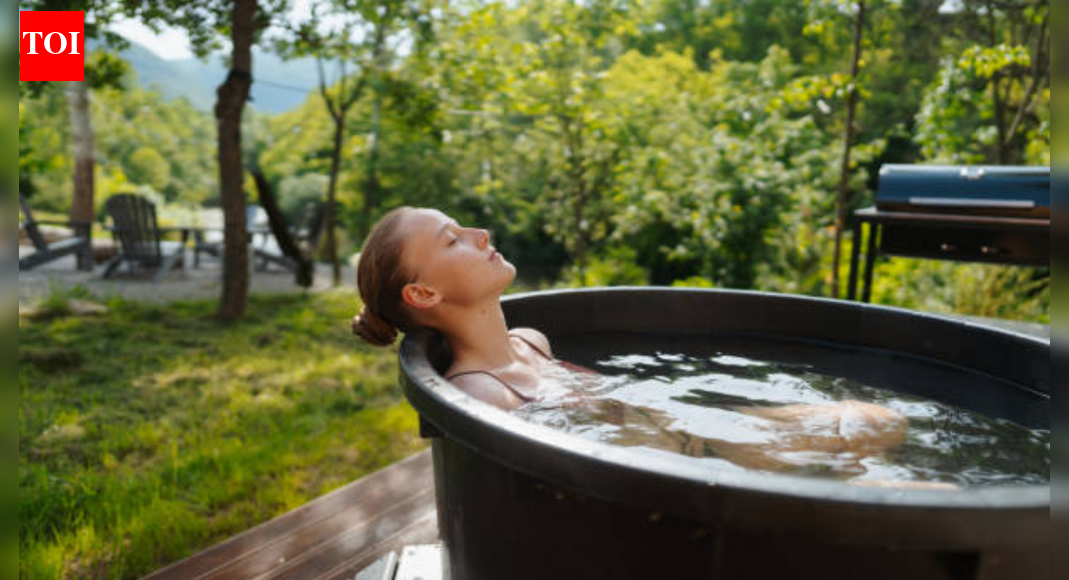
Cold water baths have gone from something a few eccentric athletes did in backyards to a full-blown wellness obsession. Scroll social media for five minutes in winter and you’ll see people lowering themselves into tubs of ice, teeth chattering, faces calm like monks. They’ll tell you it builds mental strength, boosts immunity, burns fat, cures bad moods, and maybe even fixes your life. And if you don’t do it, well, are you even trying? But here’s the thing: most of the loudest voices talking about cold plunges aren’t the ones dealing with the real risks, or the messy science, or the fact that cold isn’t magic just because it’s uncomfortable.
So what’s actually going on here?
Cold exposure isn’t new. Humans have been stepping into cold rivers and winter seas long before hashtags existed. The difference now is how confidently claims are made, and how rarely anyone pauses to ask, “Does this really work for everyone?” Or, “At what point does this stop being helpful and start being stupid?” Because there is a line. Some benefits are real. Cold water can sharpen your senses, spike adrenaline, and leave you feeling oddly clear-headed afterward. What doesn’t get talked about enough is what happens when people chase that feeling too hard, too often, or without understanding their own limits. Or how cold exposure affects hormones, recovery, heart rate, and the nervous system in ways that aren’t always positive.
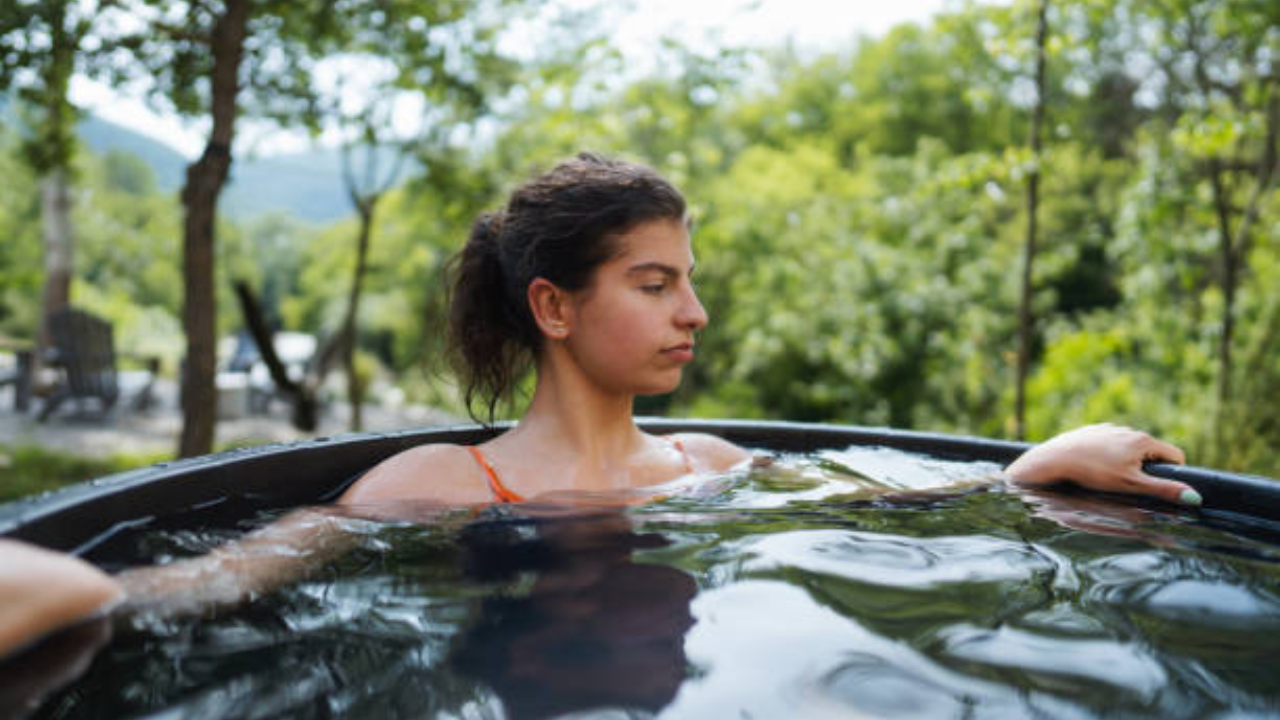
And then there’s the hype. Claims get exaggerated, studies get oversimplified, and suddenly a short-term stress response is being sold as a cure-all. This piece isn’t here to scare you away from cold plunges or cheerlead them blindly. It’s here to slow things down. To separate what’s backed by real expertise from what’s just internet bravado. “Cold water baths have been trending every winter; they seem to enhance one’s strength, discipline, etc., and benefit overall health, as well. Taking cold baths during the winter has become a form of demonstrating one’s capability of mental and physical conditioning and toughening. However, from a physician’s perspective, a balanced approach towards evaluating the health benefits of cold water baths should be taken. Thus, an understanding of the mythological claims of cold water baths and their actual facts, as well as possible side effects and dangers associated with them, should be addressed,” says Dr Ajay Kumar Gupta, Senior Director & Head – Internal Medicine, Max Super Speciality Hospital, Vaishali and debunks common myths around this popular practice.
Myth 1: Staying in a cold water bath regularly will help you strengthen your immune system.
People tend to think that taking a cold water bath will automatically help improve their immune systems. While briefly exposing oneself to cool or cold temperatures may elicit some reaction from your body, it will not actually help build stronger immunity over time. In fact, research suggests that obtaining a good night’s sleep, eating healthy foods, exercising consistently and obtaining vaccinations are all far more beneficial to maintaining a healthy immune system than taking regular cold water baths. If you take cold baths regularly in the winter, for example, you may actually decrease your immunity due to increased fatigue, or potentially increase your chances of becoming ill.
Myth 2: The colder the temperature you are exposed to, the better it is for your body.
That statement is false. The sudden shock of exposure to extremely cold water can cause your heart rate and blood pressure to increase rapidly and could lead to serious medical consequences for those with heart disease, diabetes or thyroid disorders. Healthy individuals may also experience dizziness or difficulty breathing if they experience a sudden shock of cold water too rapidly. Therefore, it is recommended that you utilize short periods of cold exposure in a controlled manner rather than bathing in cold water for extended periods of time.
Myth 3: Cold water can burn fat
Cold baths have been promoted as “burning” off large amounts of fat, however, while cold temperatures have the ability to awaken “brown fat” (the type of fat that keeps us warm), the number of calories burned from taking cold baths is relatively small. Using cold water baths alone will not replace the benefits of eating properly and exercising if your goal is weight loss. Most advertisements about cold bath burning fat is more of a ploy to sell products than it really is based on scientific facts. Cold water baths have been used by athletes to reduce muscle soreness after training, therefore exposing your body to cold water for short periods may help to relieve discomfort. Some people experience increased alertness and/or improved concentration after taking a cold shower or bath, which is attributed to the release of the hormones adrenaline and endorphins into the bloodstream. Anyone who uses cold water showers as part of their daily routine may find that they develop a greater sense of mental strength and improve focus if approached with intention. When using cold water, the constriction and subsequent dilation of the blood vessels increases blood flow; however, this reaction is only temporary and does not indicate an overall improvement in cardiovascular health over time.Cold water immersion is likely to exacerbate Moisture Loss and Winter Skin; therefore, eczema or sensitive skin may become more aggravated through excessive use of cold water in the winter months. Cold weather may stiffen the joints and further contribute to increased stiffness from exposure to cold.
Who should avoid cold water bath
“Individuals who suffer from serious medical conditions such as heart disease, uncontrolled high blood pressure, asthma, Raynaud’s Phenomenon, fainting episodes, or severe anxiety should consult with their physician prior to attempting cold water bath therapy. Older adults are also at higher risk of experiencing hypothermia or experiencing an abrupt drop in body temperature following cold water immersion,” warns Dr Ajay.“Those wanting to experiment with cold water bath therapy can do so in a safe manner under the direction of their physician. The safest method is to first take a warm bath, and then following that, take a quick cool shower for 30-60 seconds or less. It is best to do so during the early part of your day, and to stop immediately if you begin experiencing discomfort, chest pain, or dizziness.” he adds.
About the Author