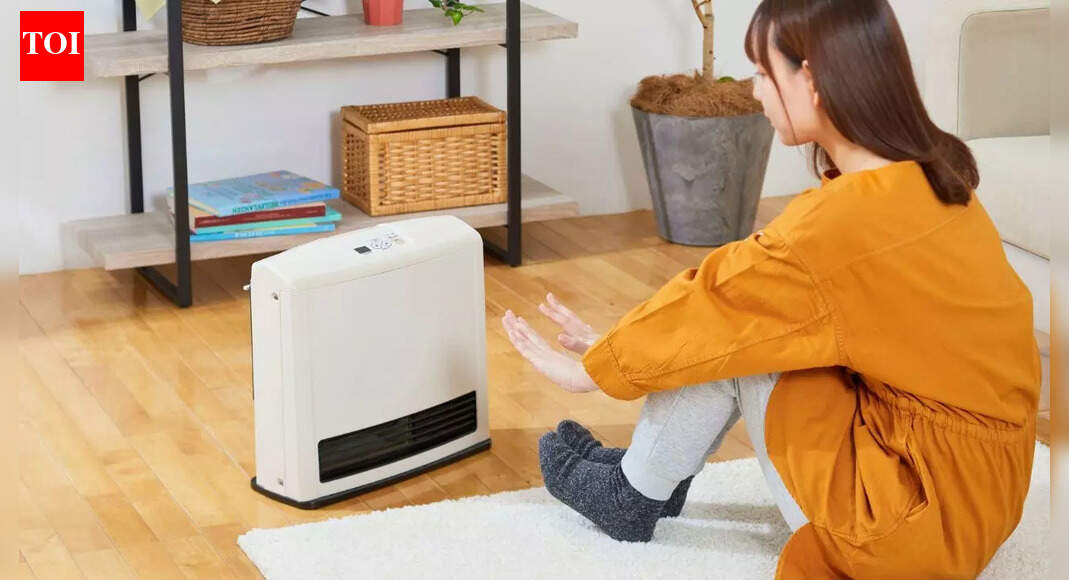
Winter settles into a room long before we notice it. The floor feels colder in the morning. The air lingers instead of moving. Many people turn to heaters straight away, but not every home has one, and not every space needs it. Warmth is not only about machines. It is often about how a room holds what is already there. Small choices, made quietly, can change how cold a place feels. Curtains, floors, corners, and even the kitchen next door play a role. These are not tricks, and they are not new ideas either. They are habits people used before heaters became common. With a little attention, a room can feel warmer without adding another switch or bill.
Simple ways to keep your home warm without using a heater
Use these simple tricks this winter to keep your home warm and cosy this winter:
Close the gaps which are letting cold air inside
Cold air rarely enters dramatically. It slips in through tiny gaps around doors and windows. These spaces are easy to ignore because they seem harmless. Over time, they make a room feel constantly chilly. Checking the edges of doors and window frames can help. A rolled cloth placed at the bottom of a door works better than it sounds. Curtains pulled fully across windows in the evening also help trap warmth inside. The aim is not to seal the room tightly but to slow the movement of cold air. Add a carpet or rug in your rooms Floors matter more than walls in winter. Stone, tile, and marble hold cold for hours. Walking on them sends that chill straight through the body. Adding a carpet or rug changes the feeling of the room almost immediately. It does not need to be expensive or cover every inch. Even a small rug near the bed or seating area helps. Fabric holds warmth and softens the space. Once the feet feel warmer, the rest of the room feels less harsh. It is a simple change, but it affects how the whole space is experienced.
Wall fabric and furniture help keep the warmth
Walls do not have to stay bare in winter. Fabric wall hangings or thicker curtains act as a quiet barrier against the cold. They slow heat loss and make the room feel enclosed rather than exposed. Furniture placement also matters. Wooden furniture holds warmth better than metal or glass. Moving seating away from cold walls can make a difference. Cushions and throws add another layer, both visually and physically. These choices do not raise the temperature, but they change how the room holds warmth, which often matters more.
Bedding affects room temperature
Bedding does more than keep a person warm. Thick blankets and layered cushions trap heat that would otherwise escape into the air. During the night, this warmth spreads slowly into the room. Using heavier curtains around the bed area can also help, especially in older homes. It is less about luxury and more about density. Soft layers keep warmth close and prevent the room from cooling too quickly after sunset.
Use the kitchen to warm the rest of the house
The kitchen produces steady warmth during cooking. Letting that heat move into nearby rooms helps. Keeping the kitchen door open for a while after meals allows warm air to travel. Even boiling water adds moisture and warmth to the air. This works best in the evening when the rest of the house cools down. It is not dramatic, but it feels natural, like the house using its own energy.Warmth does not always arrive all at once. Sometimes it gathers slowly, stays quietly, and makes the room feel less harsh. That is often enough.
About the Author