

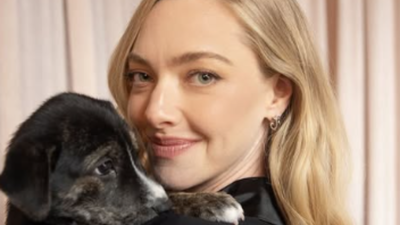
Amanda Seyfried’s openness about her OCD journey feels like a quiet conversation starter in a world that often glosses over mental health. The OG mean girl, now 40– the actress shared raw details in Vogue’s January 2026 digital cover story, reflecting on a diagnosis that hit at 19 while she was filming HBO’s Big Love. What stands out is her honesty—no sugarcoating, just real steps toward managing it every day.
How it started
Back then, symptoms ramped up fast. Health anxiety gripped her, spiraling into fears of brain tumors that led to scans and her mom’s month-long support from Pennsylvania. “My mom had to take a sabbatical from work to live with me for a month,” she recalled. That’s when medication started—Lexapro at the lowest dose, which she’s taken nightly ever since. She called her OCD “really extreme,” tied to intrusive thoughts rather than stereotypes like neatness. As a teen, it kept her cautious—no heavy drinking or late nights—but adulthood brought the real test.
Building tools over time: Amanda Seyfried’s growth story
Amanda Seyfried’s story shows growth, moving to her upstate New York farm helped channel anxiety into purpose—tending animals- grounding routines. She’s noted how recognizing fears as “not reality-based” eased compulsions with age. Therapy, meds, and lifestyle shifts like nature time keep it in check, even amid Mamma Mia! fame and motherhood. It’s not gone, but manageable, letting her thrive in roles like Mean Girls without the old weight.In the 21st century— mental health speaks louder than ever post-pandemic, her update resonates. OCD affects millions quietly, often misread as quirkiness. By sharing brain scans and lifelong meds, she normalizes seeking help early—vital since delays worsen cycles. Her fans appreciate her honesty, when it comes to something this fragile to her. It’s a nudge: small, consistent steps beat silence.Amanda Seyfried proves stars wrestle the same battles we do. If it starts to bother more , consulting with a pro changes everything
About the Author