The cooling nights, soft light, and presence of a bowl of waiting apples in the kitchen often herald a shift in eating patterns. As different seasons approach, mealtime turns more luxurious and filling, but a sweet finale is a desire that may never diminish. Here comes the role of apples. Being sweet by nature, satisfying but not so filling, and extremely versatile, they enable desserts to remain comforting without being anything more. When apples take precedence, and sweets such as sugar, butter, and cream are utilised more sparingly, puddings become comforting yet light enough to enjoy daily. The following ten recipes illustrate how this can all help apples ensure dessert is always within reach without upsetting the apple cart.
Apples are the perfect light dessert for colder months
As colder months arrive, many diets shift towards stews, bakes, and richer sauces. While comforting, this often brings more sugar and fat than intended. Apples provide a gentler alternative. With fibre, natural sweetness, and roughly 60 calories per 100 grams, they deliver flavour without excess. Heat transforms apples beautifully, intensifying aroma and texture with minimal added ingredients. When paired with spices, yoghurt, or thin pastry, they create desserts that feel complete rather than restrained.
Must-try apple desserts and recipes for colder months
Invisible apple cake that’s mostly fruit
This cake earns its name because the batter almost disappears once baked, leaving layers of softened apple held together by a light custard-like structure.Recipe: Thinly slice four apples and toss with a little lemon juice. Whisk one egg with 60g sugar, 70g flour, 120ml semi-skimmed milk, and a pinch of cinnamon. Fold the apples through the batter, pour into a lined tin, and bake at 180°C for about 45 minutes. Cool slightly before slicing.Serve with plain yoghurt instead of cream for a dessert that feels rich but remains modest.
Apple and quince compote with gentle spice
Compote is one of the simplest ways to enjoy apples lightly. The key is using very little sugar and letting the fruit break down naturally.Recipe: Peel and chop three apples and one quince. Place in a pan with 100ml water, one cinnamon stick, and a strip of lemon zest. Simmer gently for 20–25 minutes until soft but not collapsed. Sweeten lightly if needed.This works well over yoghurt or cold the next morning with porridge, stretching one batch across several meals.
Oven-roasted apples with nuts and seeds
Roasting concentrates flavour, reducing the need for sugar or sauces.Recipe: Halve four firm apples and place in a baking dish. Drizzle with one teaspoon of honey, sprinkle cinnamon, and scatter chopped almonds or sunflower seeds. Roast at 190°C for 30 minutes until tender and golden.Leftovers slice neatly into breakfast bowls or overnight oats.
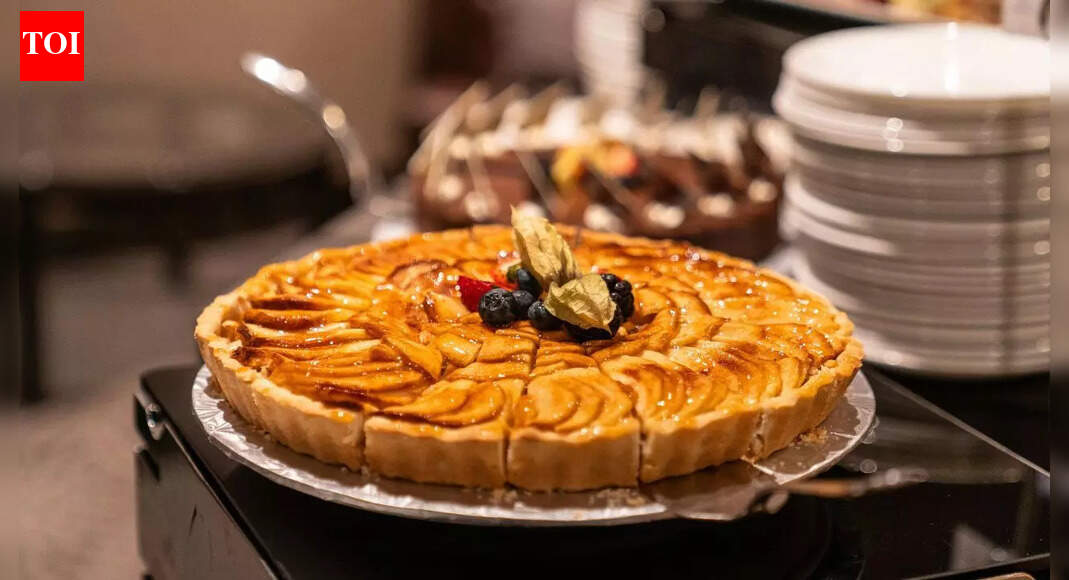
Ultra-thin French-style apple tart
This tart relies on finesse rather than richness.Recipe: Roll pastry very thin and place on a tray. Arrange apple slices in overlapping circles. Bake at 200°C for 25 minutes, then brush lightly with warmed apricot jam.Serve warm with low-fat crème fraîche or Greek yoghurt for balance.
Poached apples and pears in spiced syrup
Poaching creates an elegant dessert using little sugar.Recipe: Simmer peeled apples and pears in water with vanilla, star anise, and two teaspoons sugar. Remove fruit once tender and reduce liquid slightly to form a light syrup.Serve chilled with toasted nuts or a spoon of cottage cheese.
Swirl apple tart with natural caramel notes
Thin apple ribbons caramelise gently without heavy sauces.Recipe: Slice apples thinly, roll into spirals, and place on a thin pastry base. Brush with apple juice mixed with a teaspoon of brown sugar. Bake until golden.The flavour develops naturally in the oven, keeping sweetness restrained.
Apple muffins with oats and wholemeal flour
These muffins sit closer to breakfast than cake.Recipe: Mix grated apple, oats, wholemeal flour, yoghurt, oil, cinnamon, and minimal sugar. Spoon into cases and bake until risen.Moist, filling, and gently sweet, one muffin feels enough.
Using seasonal apples to make simple, lighter desserts
Early varieties suit compotes and cakes, while firmer autumn apples hold their shape in tarts and roasts. Stored cool and dry, apples remain usable for weeks, making them reliable throughout colder months.Light desserts depend on balance rather than labels. Measuring sugar, using yoghurt instead of cream, and letting fruit lead ensure puddings remain satisfying without excess. Apples reward restraint, proving that dessert does not need to be heavy to be comforting. When used thoughtfully, they make everyday sweetness both possible and sensible.
About the Author