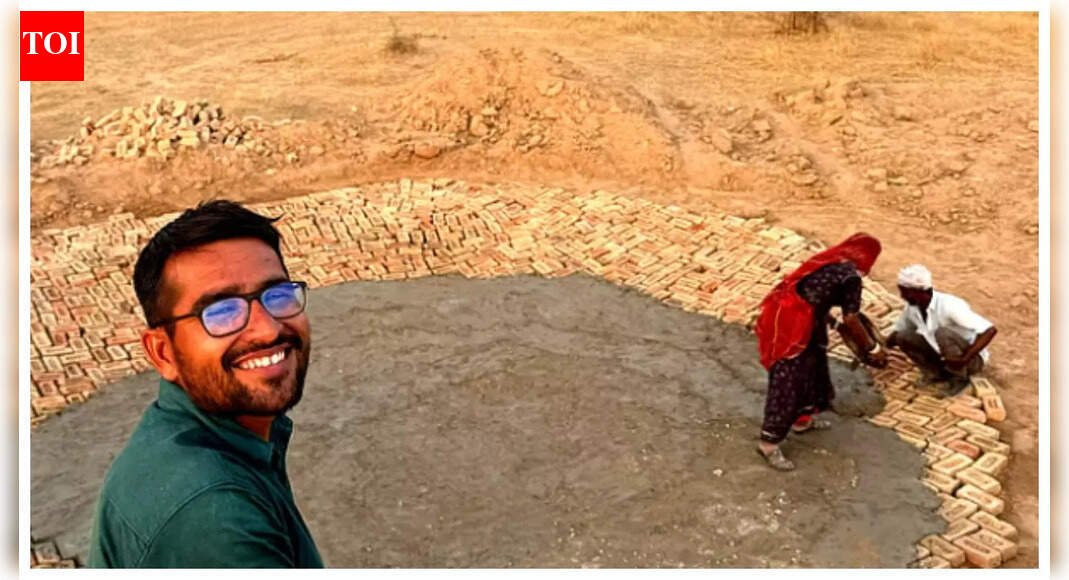
A wildlife photographer Sharvan Patel from Rajasthan, has transformed 130 dry land sections into small water ponds that now support blackbucks, peacocks and various desert animals. His initial idea about a small pond developed into a wildlife protection movement that protected animals during the harsh summer of western Rajasthan. (pics courtesy: Sharvan Patel)A photographer’s moment of changeSharvan Patel is a wildlife photographer from Dhawa village in Rajasthan’s Churu district. During the summer of 2022 he spent time at Tal Chappar Wildlife Sanctuary, which is a flat grassland that attracts numerous blackbucks and various bird species.According to reports at The Better India, he observed a dried-up waterhole which used to be a drinking spot for animals. The dry earth showed its cracks while the blackbucks approached the dry land by taking slow steps into its dusty surface. A mongoose detected the small muddy stream before it took off in a hurry.Sharvan vowed to himself that he would return with water which he would use to help desert wildlife. The lack of water would lead to two possible outcomes for animals because they would either perish from dehydration, or they would leave their natural habitats to enter human settlements which could result in their injury or create disputes between humans and animals.What is a khailiOn another visit to Tal Chappar, Sharvan noticed a small, shallow pond built on the ground. The local people referred to this pond as a “khaili” because it served as a traditional village water storage system which accumulated and stored rainwater.The forest guards observed that animals stayed away from the new pond because they seemed to fear its existence. The water source attracted hares who started drinking from it while mongooses visited during evening hours, peafowls settled near the borders and blackbucks who normally avoided the area started to visit.Sharvan was deeply moved by this small change. He understood that multiple small ponds would have the power to restore life in the desert ecosystem.Building the first pondSharvan chose to construct his own khaili. He and his friends created a shallow pond-like depression in a dry section of ground which they worked into a small water feature.The team applied a thin cement coating to the bottom and sides of the structure before adding soil for camouflage. The water remained cool because of this method which also extended its duration in the desert heat.The group began their waiting period after they had added water to the pond. The area stayed still because it contained no objects. The camera traps revealed blackbucks drinking from the ground while birds entered the area and mongooses accessed the site during nighttime hours.The experiment had worked-a small, simple pond could become a lifeline for animals.From one pond to 130 water sourcesSharvan shared photos and videos of the pond and the animals using it on social media. The response was huge because people from all over Rajasthan sent in their messages.The residents of villages and towns sent messages which stated: “You should visit our location. Our animals are dying of thirst”. The community members requested him to construct water storage facilities which would have identical design throughout their entire territory.Sharvan and his team constructed additional khailis which they placed in dry open spaces that served as wildlife habitats. The ponds operated at shallow depths which made them simple to care for while they stored rainwater and tanker-delivered water during hot summer months.
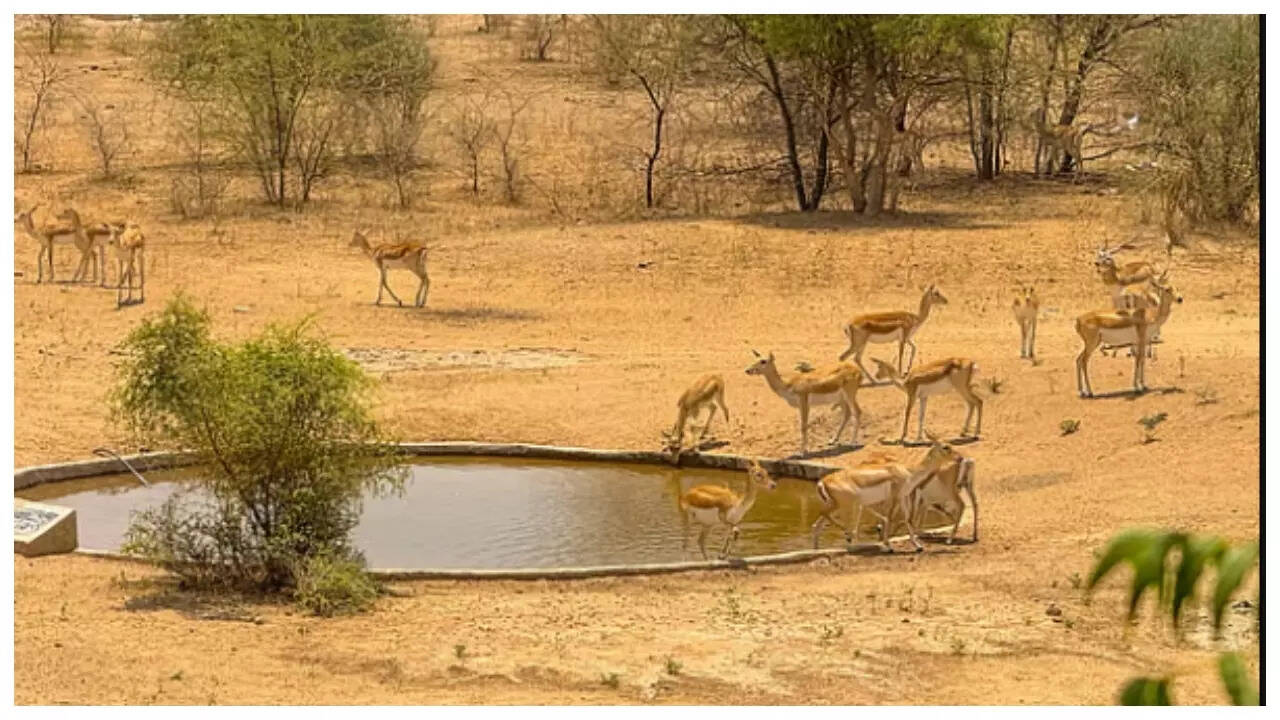
Today, more than 130 such khailis have been built across western Rajasthan, in districts like Barmer, Jodhpur, Jaisalmer, and Churu. The ponds function as protected water sources which provide drinking water for desert animals.How the ponds help animalsThe khailis serve as vital water sources which support numerous species in their ecosystem. Blackbucks and chinkaras (Indian gazelles) now have safe places to drink, instead of going into villages, where they can be hit by vehicles or poisoned.The ponds serve as regular habitats for peacocks, hares, mongooses, desert foxes and numerous species of reptiles. The water points serve as essential resting sites for migratory birds, which include harriers and cranes during their extensive annual travels.The khailis protect animals from drinking contaminated water by offering them clean, fresh water which prevents them from accessing village ponds and agricultural fields that contain chemical pollutants.Keeping water flowing in summerThe initial work involved constructing ponds but maintaining their water levels throughout summer heat proved to be the most difficult part. From March to July, natural water sources in the desert dry up completely.The water supply for the khailis became sustainable because Sharvan and his team brought water tankers which delivered water from surrounding villages. Each tanker cost about ₹2,000 and had to travel around 20 km to reach the ponds.The funding for this initiative became possible through their basic donation program which asked people to give one rupee each day. The initiative brought together 1,000 participants from different parts of India who donated small funds which combined to fund tankers and habitat maintenance and animal care.
About the Author