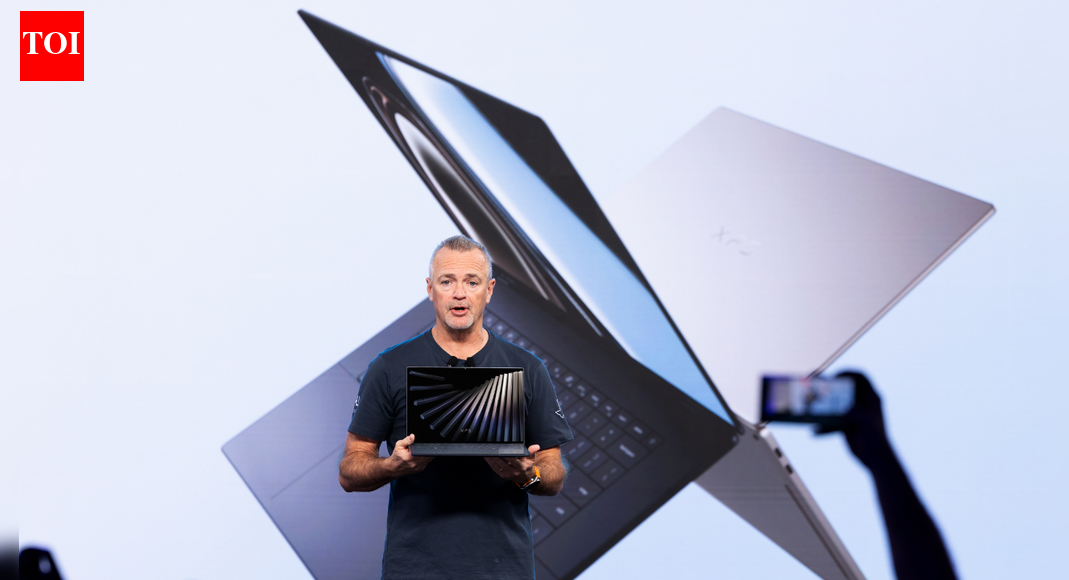
Dell made a startling confession at CES 2026 this week: consumers simply aren’t interested in buying PCs because of artificial intelligence features. The company’s head of product, Kevin Terwilliger, revealed that Dell has learned a tough lesson over the past year—people don’t make purchasing decisions based on AI capabilities, and the technology actually creates more confusion than clarity.“What we’ve learned over the course of this year, especially from a consumer perspective, is they’re not buying based on AI,” Terwilliger told PC Gamer. “In fact, I think AI probably confuses them more than it helps them understand a specific outcome.” It’s a remarkably candid admission from one of Microsoft’s biggest hardware partners, especially as the software giant continues pushing AI features into Windows 11 and promoting Copilot+ PCs.
Dell quietly backs away from AI-first marketing
The shift is impossible to miss. Last year at CES 2025, Dell was “all about the AI PC,” aggressively marketing its devices around artificial intelligence capabilities. This year? The company deliberately avoided leading with AI messaging, even though every new product it announced includes a Neural Processing Unit (NPU) inside.Dell COO Jeff Clarke acknowledged the industry is dealing with “this un-met promise of AI, and the expectation of AI driving end user demand.” The reality is that consumers prioritize traditional laptop qualities—battery life, performance, display quality—over experimental AI features that haven’t proven their worth in everyday use.
Microsoft’s AI push hits a roadblock
Dell’s honesty puts Microsoft in an awkward position. The Windows maker has bet heavily on AI as the catalyst for a major PC upgrade cycle, particularly as Windows 10 reached end of support in 2025. But if Dell’s assessment is accurate, that strategy isn’t working. Features like Windows Recall and Click To Do, exclusive to Copilot+ PCs, have failed to resonate with buyers—Recall even faced serious security backlash.For now, Dell is doubling down on what actually matters to customers: better hardware, improved build quality, and the return of its beloved XPS brand that the company foolishly killed off last year.
About the Author