
Washington, DC January 7, 2026: In a historic overhaul of US nutrition policy, the federal government unveiled sweeping revisions to the Dietary Guidelines for Americans, dramatically reshaping decades-old federal food advice that influences not only what doctors recommend but also what millions of Americans eat every day. Led by Health and Human Services Secretary Robert F Kennedy Jr and Agriculture Secretary Brooke Rollins and endorsed by President Donald Trump as part of his “Make America Healthy Again” (MAHA) initiative, the new guidelines emphasise eating “real food” and invert traditional nutritional priorities, upending a system that has guided American diets for more than 40 years.
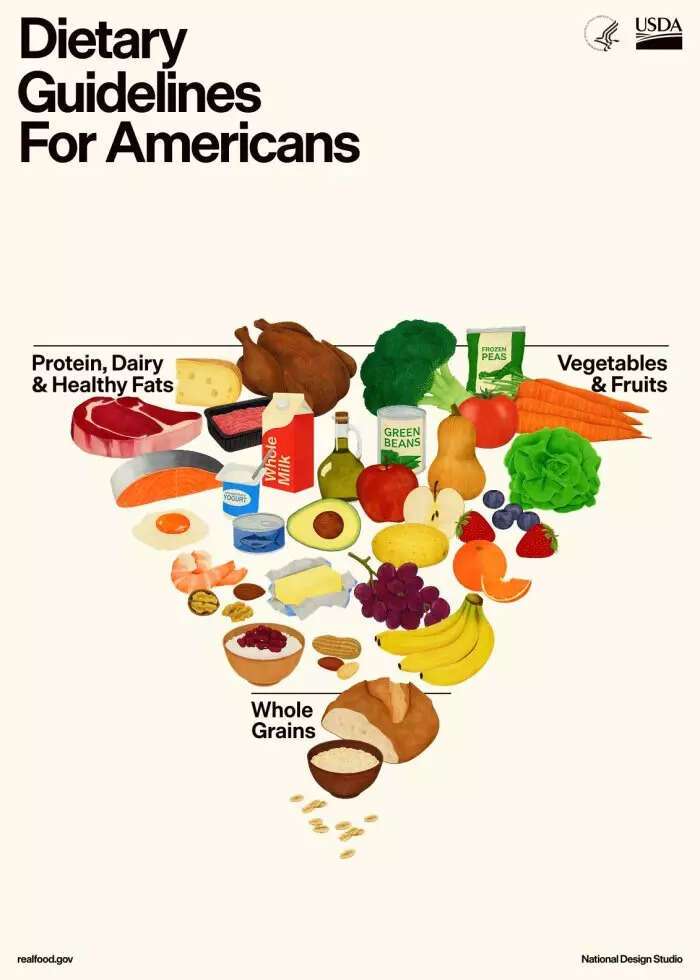
The result is a return to a food pyramid-style iconography, a pronounced focus on protein and whole foods, a stronger stance against ultra-processed foods and added sugars and a reimagining of what constitutes a healthy plate, with implications for school lunches, food assistance programs, public health initiatives and even how medical professionals counsel patients.
From MyPlate to a reversed food pyramid: A radical graphic reset
For nearly a decade, Americans have been familiar with MyPlate, a circular guideline introduced in 2011 that visually balanced grains, proteins, fruits, vegetables and dairy as equal parts of every meal. That graphic has now been replaced by a reversed food pyramid that places protein, dairy and healthy fats near the top, not carbohydrates and grains. At a January briefing, Kennedy described this model as the most significant reset in federal nutrition policy in decades, saying that past guidance had sidelined what federal officials now consider essential nutrients. “This is how we Make America Healthy Again,” he said in reference to the new strategy.
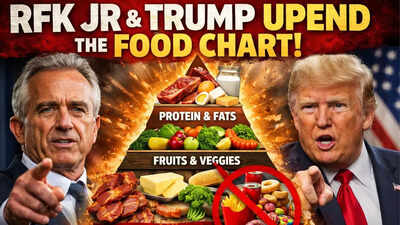
US Dietary Rules Rewritten as RFK Jr and Trump Upend the Food Chart
The updated pyramid reflects what policymakers call a return to common sense and modern science, moving away from guidance shaped by mid-20th-century nutrition theories. Fruits and vegetables remain central but protein including eggs, poultry, seafood, red meat and plant-based sources, is now emphasised as the foundational element of each meal.
Top priorities: Protein, whole foods and cutting the junk
Under the 2025–2030 Dietary Guidelines, Americans are now encouraged to:
- Prioritise high-quality, nutrient-dense protein in every meal, with guidance suggesting 1.2 to 1.6 grams of protein per kilogram of body weight daily, a significant increase from previous recommendations.
- Consume whole foods such as vegetables, fruits, legumes, dairy and meats while dramatically reducing highly processed and refined carbohydrates.
- Avoid added sugars and artificial additives, with the updated advice stating that no amount of added sugar is recommended as part of a healthy diet.
- Favour full-fat dairy and healthy fats, including olive oil, nuts, seeds, butter and even beef tallow, over ultra-low-fat options.
- Consume less alcohol overall, especially for groups for whom drinking poses greater health risks, including pregnant women and individuals with certain medical conditions.
This guidance marks a sharp break from prior federal advice that prioritised low-fat or fat-free products and placed whole grains near the base of the food hierarchy.Officials argue that focusing on real, nutrient-dense foods as opposed to processed products with added sugars, sodium and artificial ingredients, can help curb chronic diseases that cost the U.S. economy hundreds of billions of dollars annually.
Why the US food shift happened: Chronic disease, obesity and national health costs
Government officials framed the update as a response to widespread health crises. According to policy documents, the US faces a national health emergency driven by diet-related chronic conditions like obesity, type 2 diabetes and heart disease. Nearly 70% of adults are overweight or obese and about one in three adolescents has prediabetes, according to federal statistics cited in the guidelines. The administration estimates that poor diet and its associated diseases drive nearly 90% of health care spending, draining resources that could otherwise go toward preventive care, education and infrastructure. In public statements, Secretary Kennedy has said that restoring healthy eating habits is vital to reducing these trends and lowering costs while improving quality of life. “American households must prioritise whole, nutrient-dense foods, protein, dairy, vegetables, fruits, healthy fats and whole grains and dramatically reduce highly processed foods,” he said at the unveiling.
Protein: The new cornerstone of Federal Nutrition Policy
One of the most notable and controversial aspects of the updated guidelines is the emphasis on protein at every meal. While previous dietary guidance recommended 0.8 grams of protein per kilogram of body weight as a baseline to prevent deficiency, the new recommendations raise that significantly, suggesting 1.2 to 1.6 grams per kilogram daily.

Protein Over Carbs: RFK Jr and Trump Upend the Food Chart in MAHA Shake-Up
For an average 150-pound (68 kg) adult, that translates to roughly 81 to 109 grams of protein a day, far more than the prior minimum and a central pillar of the administration’s nutrition strategy. Officials argue that this higher protein focus supports muscle health, metabolic function and overall well-being, especially in the context of reducing refined carbohydrates and fighting obesity. Critics, however, caution that emphasizing animal proteins and full-fat dairy could increase risks related to saturated fat and sodium, factors linked to cardiovascular disease and other chronic conditions.
Ultra-processed foods: The enemy of the new US food guidelines
For the first time in federal nutrition policy, the updated guidelines directly address ultra-processed foods that are packaged, ready-to-eat items high in added sugars, refined carbs and chemical additives. Americans currently get a large portion of their daily calories from these products, including snacks, sweetened drinks and convenience meals. Research has linked diets high in ultra-processed foods to a broad range of health problems, from obesity to cognitive decline. Officials have urged reducing consumption of these foods, recommending that individuals avoid highly processed packaged items and sugary beverages and instead focus on whole fruits, vegetables, proteins and healthy fats.
Fruits, vegetables, whole grains and beyond
While protein takes center stage, the new guidance continues to emphasise fruits, vegetables and whole grains, staples long associated with health benefits. The guidelines recommend at least three servings of vegetables and two servings of fruit per day, and support the inclusion of whole grains like oats, quinoa and brown rice. Frozen, dried or canned produce with minimal added sugars can be part of a healthy eating plan, officials say, recognising the role convenience plays in many Americans’ diets. Unlike previous guidance, which gave detailed macronutrient breakdowns and life-stage–specific advice, the new guidelines are shorter and more streamlined, with supplemental research provided separately.
The return of saturated fats with a catch
In a marked departure from decades of advice to minimise saturated fat intake, the updated guidelines recommend moderate consumption of foods traditionally high in saturated fat, including full-fat dairy and certain animal fats, as part of a balanced diet. Fats from whole food sources like butter, beef tallow, olive oil, nuts and avocados, are now encouraged, with saturated fats capped at no more than 10% of total daily calories, similar to previous limits but framed within a broader emphasis on nutrient-dense foods.

Butter, Meat and Eggs Are Back as RFK Jr and Trump Upend the Food Chart
This shift has drawn both praise and concern. Supporters say the guidance acknowledges real foods many Americans already enjoy, while detractors argue that elevated red meat and saturated fat consumption could undermine cardiovascular health, concerns long voiced by public health organisations.
Alcohol and added sugars: Stronger warnings
The updated guidelines also tighten recommendations on added sugars and alcohol, two components of American diets that have been linked to a variety of health risks. Officials recommend limiting added sugars to no more than 10 grams per meal and advise lower overall alcohol consumption, particularly for vulnerable groups such as pregnant women or those with certain medical conditions. These changes aim to reduce chronic disease risk and promote hydration with water and other unsweetened beverages, further reinforcing the move away from sugary drinks and processed snack foods.
What this means for Americans: From schools to SNAP
The Dietary Guidelines for Americans are far more than voluntary advice. They influence federal food programs, including:
- School meal standards, shaping what millions of US children eat every day
- SNAP (Supplemental Nutrition Assistance Program) nutrition criteria
- Military nutrition and readiness initiatives
- Healthcare dietary counselling and public health planning
The shift towards high-protein, whole-food guidance could prompt changes in school lunch menus, food procurement policies and nutrition education across the country over the next five years.
Scientific debate and public reaction
The new dietary guidance has sparked a lively debate among nutrition experts, policymakers and the public. Some applaud the clarity and simplicity of the message to eat real, unprocessed foods and the emphasis on protein to support muscle health and satiety. However, others warn that the emphasis on red meat and saturated fats conflicts with a substantial body of research linking those components to increased cardiovascular risk. Organisations like the American Heart Association continue to recommend prioritising plant-based proteins, lean meats, seafood and high fiber intake for long-term heart health.

RFK Jr, Backed by Trump, Upends the Food Chart and Declares War on Junk Food
Responses on social platforms further highlight the divide: some commenters cheer the inverted pyramid as overdue, while others criticise the lack of clear scientific backing and potential influence of industry interests in shaping policy.
Bottom line: A new era in Federal Nutrition Policy
The 2025–2030 Dietary Guidelines for Americans represent one of the most visible and talked-about shifts in US public health policy in years. By elevating protein, whole foods and healthy fats at the expense of processed carbohydrates and sugar and by reintroducing a food pyramid that looks very different from the MyPlate model, the Trump administration under RFK Jr’s leadership has fundamentally reset the nation’s nutrition compass. Whether this shift will translate into improved public health outcomes remains to be seen but the policy marks an unmistakable reorientation of federal dietary advice, one that Americans, health professionals and policymakers will be debating for years to come.
About the Author