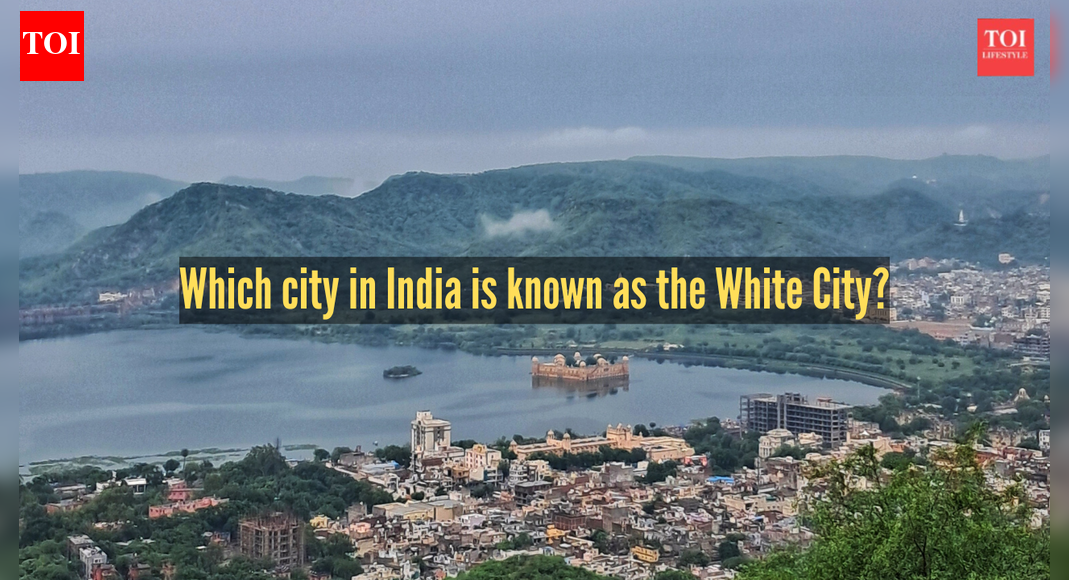
You might have visited this city, but never thought that way. A beautiful city, also known as the ‘City of Lakes,’ it’s a regal destination in Rajasthan. You must have guessed it by now. Yes. the White City is Udaipur, celebrated for its white marble palaces, tranquil lakes, and romantic atmosphere.Where is Udaipur located?Udaipur is situated in the southern part of Rajasthan, near the Gujarat border. To the west of the city is the Hilly Region of Aravali Range and Thar desert. In so far as geography is concerned, Udaipur comes almost halfway between Delhi (about 660 km away) and Mumbai (approximately 800 km away). Its location near the ports of Gujarat historically made it strategically significant.The city is well connected by road, rail, and air, with the Maharana Pratap Airport serving as its aviation hub. Hindi, English, and Rajasthani (Mewari) are commonly spoken here.Read more: World’s longest hydrogen-powered train moves closer to launch in IndiaWhy is Udaipur called the White City? Udaipur’s moniker is derived from the city’s prevalent white marble and lime-washed buildings, a historical trend started by Rajput kings who preferred the use of light-toned stone to signify purity, royalty and eternity. From palaces to temples and homes, white reigns over the cityscape, a fact that gives Udaipur a calming essence, if not fairytale-like character, at least when mirrored in its many lakes.While many cities in Rajasthan boast grand forts and vibrant colours, Udaipur stands apart for its softer, more romantic palette. This visual harmony is what leads many travellers to associate Udaipur with elegance rather than grandeur alone. Landmarks in white, the architecture of the city
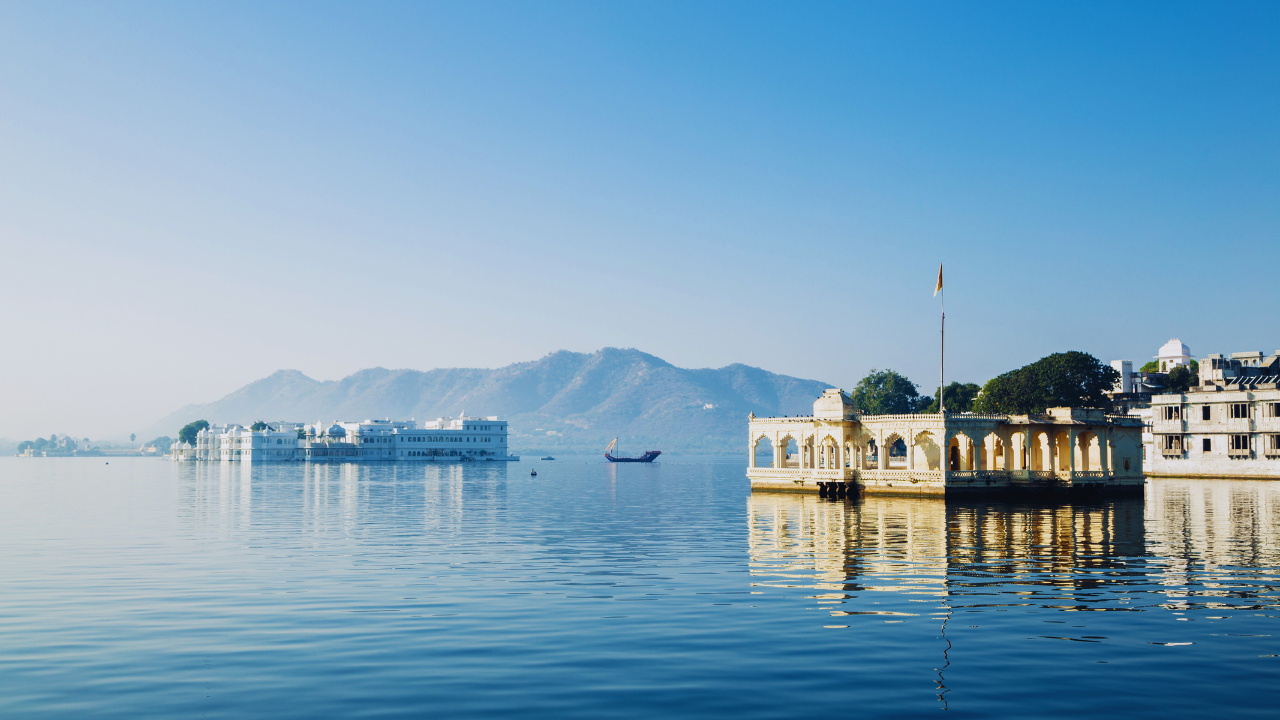
A few of the phenomenal White City architectural wonders that give Udaipur its very identity include:City Palace: It is the most noticeable building in Udaipur located on the eastern banks of Lake Pichola. Made mainly of white marble, its fancy etchings and courtyards all covered with balconies are typical Rajputana architecture.Lake Palace: On Lake Pichola, it seems as though this white-marble palace floats up out of the lake. Now a heritage hotel, it is among the most photographed buildings in India. Jag Mandir: A contrasting white palace on a Lake Pichola island, Jag Mandir only serves to add to the city’s incredible glow.Jagdish Temple: This white marble temple, completed in 1651, is located in the heart of the old city and contributes to Udaipur’s architectural unity.Saheliyon Ki Bari: Famous for its gardens and fountains, however, are the marble pavilions that add to the city’s white motif.The role of lakes in enhancing the “white” effectLakes of Udaipur have a significant contribution to enhance the visual grandeur of the city. Lake Pichola, Fateh Sagar Lake, Udai Sagar and Jaisamand Lake are the four major lakes of Udaipur which inspire tourists by their white pails and walls that contrast with the sparkling blue water. It is in this play of color and reflection that the reason Udaipur’s whiteness seems so exaggerated becomes clear.White City of Rajasthan and IndiaUdaipur is popularly referred to as the White City of Rajasthan, indeed one of the best cities in the world that is also known to be among the white cities. The density of white Rajput-style palaces, as well has whitewashed traditional homes that stretches across the old town does justify its name. Whereas Jaipur heavily attracts the history buff and culture enthusiast, Udaipur’s softer hues, lake-side locations and marble palaces have honeymooners, holiday goers all rolled into one rushing over.
About the Author