
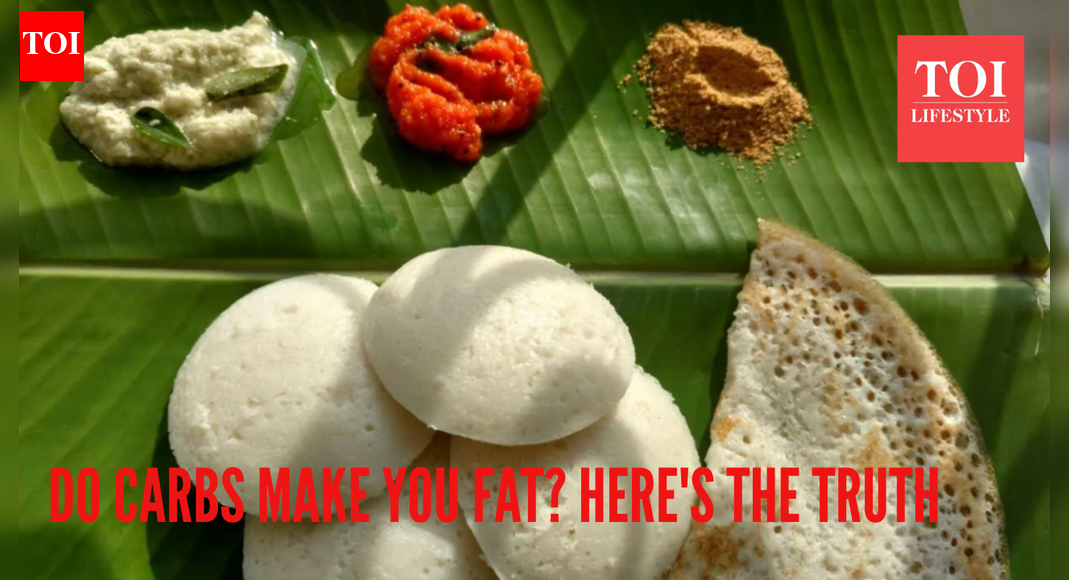
When it comes to weight gain, Carbohydrates have received unjust criticism, especially in the last few years, but it is not the whole truth. The fact of the matter is that consuming the right carbs in the right quantity, does not lead to weight gain.Recently, lifestyle guru Luke Coutinho took to his IG handle to break some myths about traditional foods, and why they are not your enemy. He said that “The fermented South Indian legends (Dosa and Idli) that your ancestors crushed daily, while staying lean, strong and disease free.”He added, “Stop demonizing these foods,” while saying that the real enemy is, “your Netflix 10 minute junk delivery, sitting all day, over eating, and over chill lifestyle.” He also added, “idli and dosa are fermented powerhouses packed with natural probiotics from rice and urad daal batter. Fermentation breaks down carbs, boosts nutrient absorption, and feeds your gut bacteria better than any overpriced probiotic.” He further added that instead of shunning these foods, one has to practice portion control, and smart pairing. Let’s see why Luke’s advice makes so much senseWhy carbs are not the enemyThe human body depends on carbohydrates to generate its primary energy supply which supports brain function, muscle operation and everyday tasks. The nutrients appear in rice, roti, potatoes, oats, fruits, vegetables and pulses which form the core food items of typical Indian meals. When you eat carbs, they are broken down into glucose, which fuels your body; any extra glucose is stored as glycogen in the liver and muscles, and only when those stores are full does the body convert excess into fat.Research shows that people who eat the same number of calories and protein will lose weight at the same speed regardless of whether they follow a high-carb or low-carb diet. The human body stores excess calories as body fat, when people consume more calories than their bodies require because carbs alone do not cause weight gain. The body obtains fiber and vitamins and antioxidants through whole grains and pulses and vegetables and fruits which help people stay full while they improve their digestion, and reduce their risk of developing diabetes and heart disease.Portion control stands as the essential factor which helps people achieve their weight management goalsAs Luke says, people scream, ‘carbs make you fat’, because they eat excessive amounts of these foods. Consuming large portions of rice or 4-5 rotis or a big bowl of noodles daily, while having insufficient protein and vegetables will lead to excessive calorie consumption beyond your body requirements.
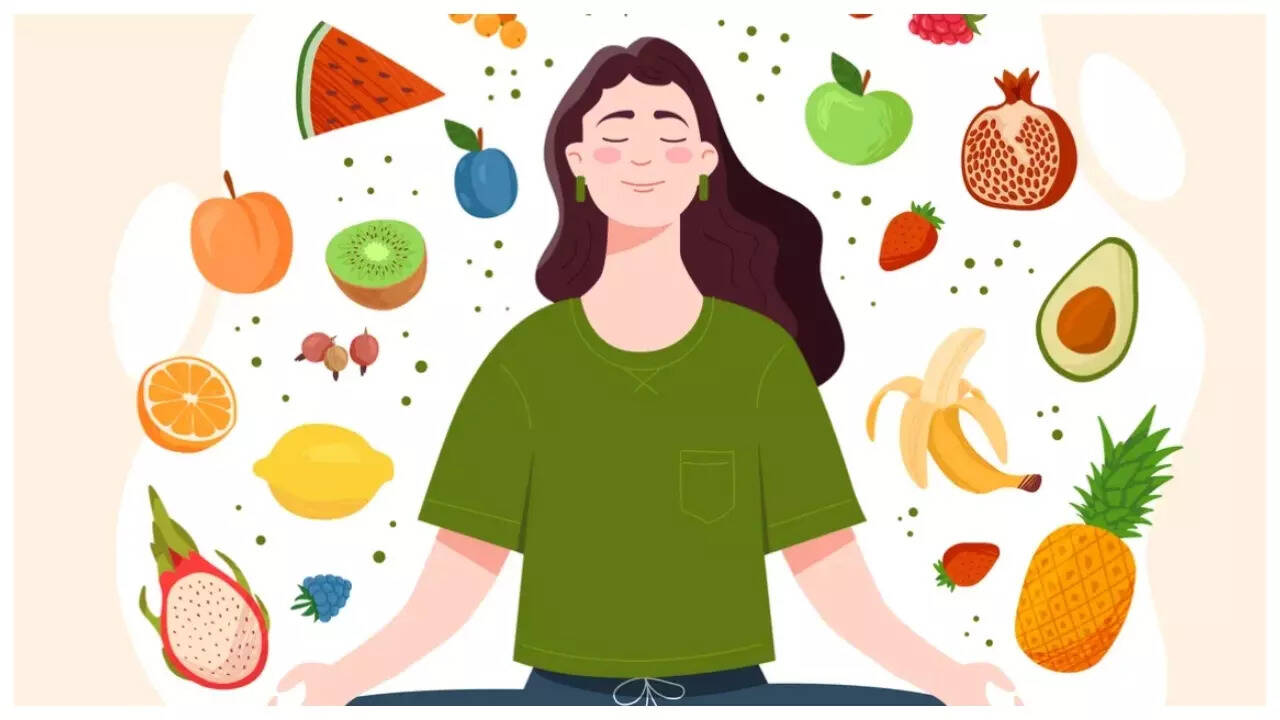
A simple way to manage portions is to use the “plate method”:
- Fill half your plate with vegetables (salad, sabzi, greens).
- Place one-quarter of the space with a carb source which should include 1–2 rotis and ½–¾ cup rice and 1 small bowl of oats or dalia.
- The remaining one-quarter of the space should contain protein sources which include dal, chana, rajma, paneer, curd, eggs, chicken and fish.
Smart food pairing: what to eat with carbsYour body follows different pathways to process carbohydrates based on your food combination choices. The combination of carbs with protein, healthy fats and fiber in your diet, will help your body digest food at a slower pace, while preventing blood sugar increases and providing you with prolonged feelings of fullness.The following combinations prove effective for smart use:The traditional Indian food combination of roti with dal, sabzi, salad and curd makes an ideal meal, because it contains all necessary nutrients. The meal consists of roti as a carb source, and dal which provides protein and fiber, and sabzi which delivers fiber and vitamins and curd, which contains protein and probiotics.A small bowl containing rice with dal, vegetables and raita, provides a balanced mix of carbs and protein and fiber.Oats + milk + nuts + fruit – The combination of oats with milk and nuts and fruit creates a satisfying breakfast, that contains complex carbohydrates and fiber from oats, protein from milk, healthy fats from nuts, natural sugars, and fiber from fruit.Sweet potato + paneer + salad – The combination of sweet potato complex carbs with paneer protein, and a large salad containing fiber makes for a filling dinner that controls blood sugar levels.Whole wheat bread + egg + vegetables – A sandwich made with whole wheat bread (complex carb) egg (protein) and veggies (fibre), makes an excellent choice for both breakfast and lunch.Idli/Dosa with sambar, along with some fiber source is a rich meal.The combination of these foods allows you to eat fewer calories while feeling full which forms the basis for successful long-term weight control.Choose the right kind of carbsThe slow digestion rate of complex carbohydrates makes them an effective choice for weight management because they take a long time to break down.Whole grains-Brown rice, oats, dalia, ragi, bajra, jowar, whole wheat roti.Pulses and legumes-Dal, chana, rajma, lobia, sprouts.Vegetables-All leafy greens, gourds, beans, carrots, etc.The following fruits belong to this category: Banana, apple, papaya, guava, berries and other types. (in moderate portions).The body reaches satiety through complex carbohydrate digestion with fiber which enables better food absorption and normal weight maintenance.Disclaimer: This article is informational only and not a substitute for medical advice
About the Author