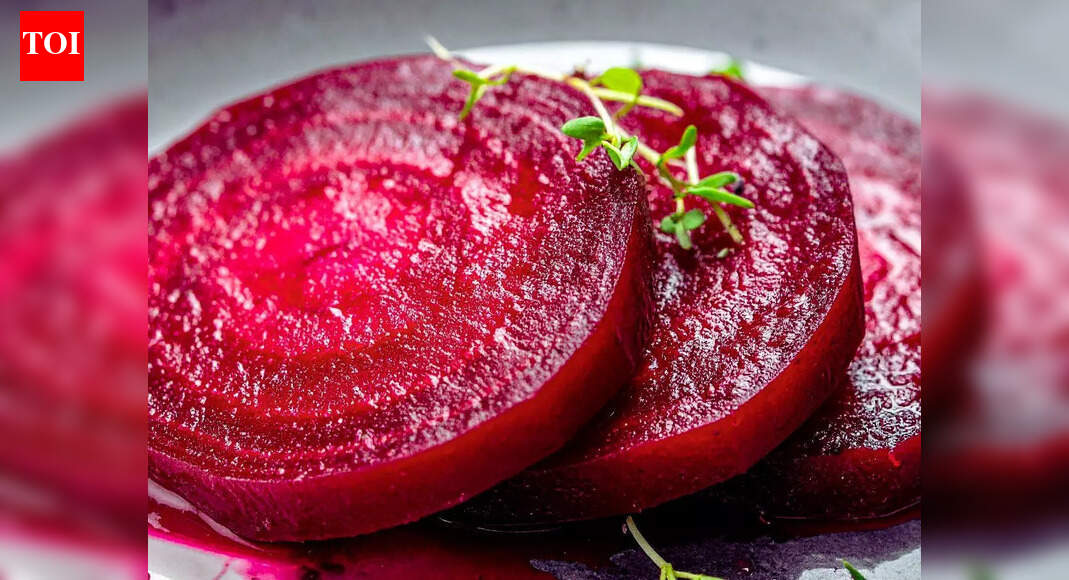
Beetroot holds the crown for one of the healthiest superfoods. Belonging to the family of root vegetables, it is full of nitrates, betalains, folate, and vitamin C, all of which are considered good for the heart, digestion, and immune system. The vegetable is widely consumed in various forms and one of the most common ways to consume it is in the form of salads and juice. In fact ‘beetroot’ shots were among the most popular trends of 2025. But which is the best way to consume it? There are heated arguments about whether eating it raw keeps more nutrients or whether boiling it makes it easier to digest and absorb. There is another concerning discussion that pins the increased possibility of having kidney stones to consuming raw beetroot. So is there a perfect way of consuming these vegetables? Let us explore, based on scientific studies and research.As per USFDA data, a 100g serving of raw beetroot has 43 calories, 9.6g of carbs, 2.8g of fiber, 6.8g of sugars, 1.6g of protein, more vitamin C, folate (about 109µg), potassium (325mg), iron (0.8mg), and strong betalains, which are antioxidants that fight inflammation. Boiled versions have 44 calories, 10g of carbs, 2g less fiber, 7g of sugars, about the same amount of protein and iron, but less vitamin C and betalains because they are sensitive to heat. They do, however, keep potassium and folate pretty well.
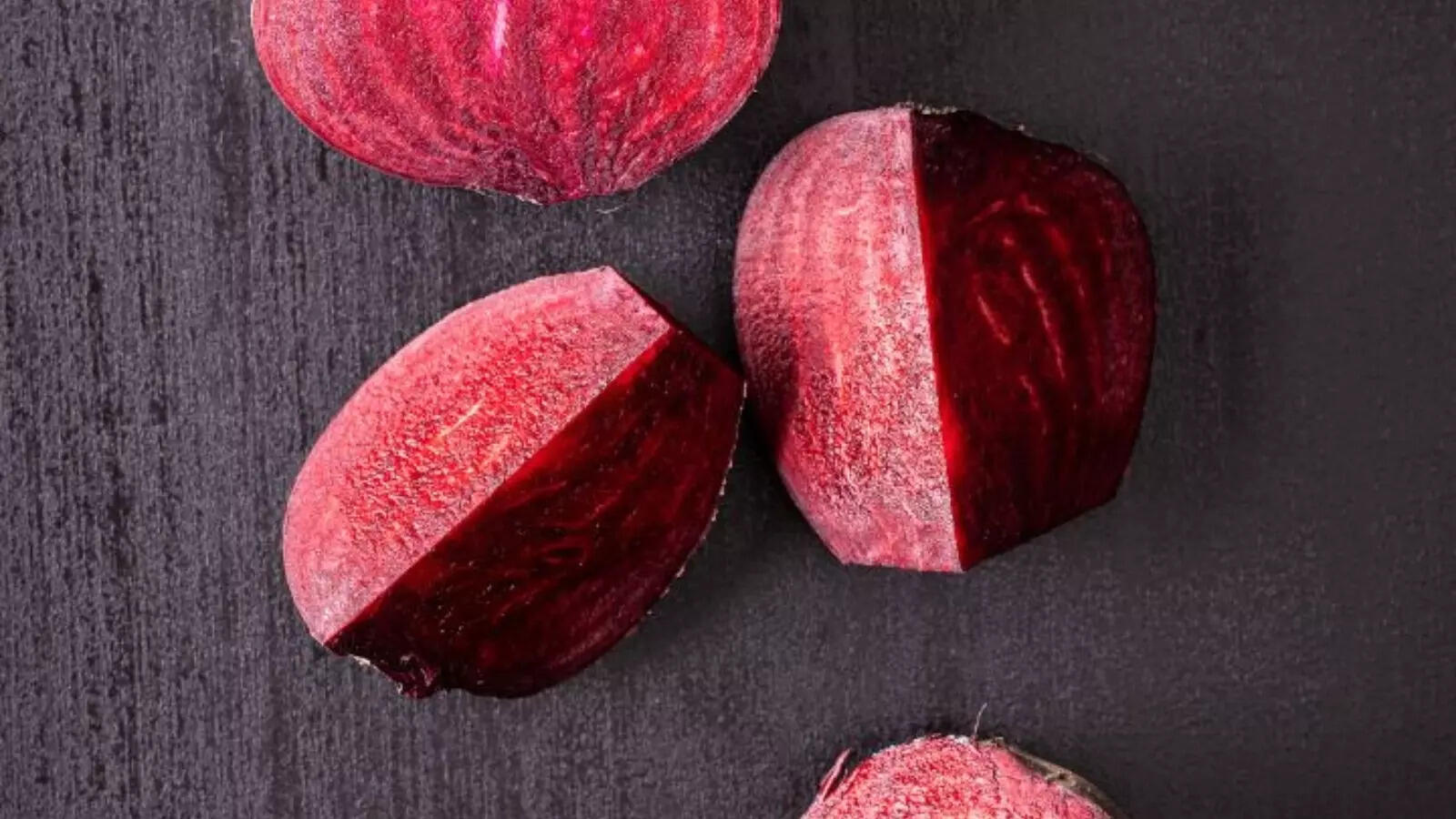
Raw beetrootsMost commonly beets are consumed in raw form. It is easier and there is a general belief that raw food as more nutrition than cooked ones and hence people widely tend to consume it in raw form. In raw form they have the most nitrates, which turn into nitric oxide to improve blood flow and lower blood pressure.Studies on people with type 2 diabetes found that eating raw beets every day for 8 weeks lowered HbA1c, blood pressure, and liver enzymes while raising antioxidants and cognition. Fiber is good for your gut and helps you feel full, and vitamin C helps your skin and immune system. But the tougher texture and higher oxalates can be bad for people with sensitive digestion or who are prone to kidney stones.
Bolled BeetrootBoiling makes fibers in the beets softer, which makes them easier to digest and is good for those who have poor or slow digestion and are more prone to gas and bloating. The process of boiling also cuts down oxalates which lowers the risk of developing kidney stones which is often associated with high oxalate foods like beets and leafy grens. Some times, heat makes betalain more available, helps minerals be absorbed better, and makes soups and salads taste sweeter. Key nitrates stay in the body, which is good for heart health, but they are not as strong as they were when they were raw.How to consume itFor the best nutrition, add raw grated beetroot to salads, smoothies, or juice it fresh. Choose boiled in curries, raita, or roasted sides. Boil for 20–30 minutes to keep nutrients from being lost. Switch between the two: raw for detox days and boiled for comfort meals. To avoid beeturia (harmless red urine), start small.Raw beetroot has the most vitamins, antioxidants, and fiber, making it the best choice for big health benefits like lowering blood pressure. Boiling keeps the core minerals without adding too many oxalates, making it good for people who are concerned about their kidneys or their digestion. Neither is the best; switch up your methods for the best results, focusing on raw when you can
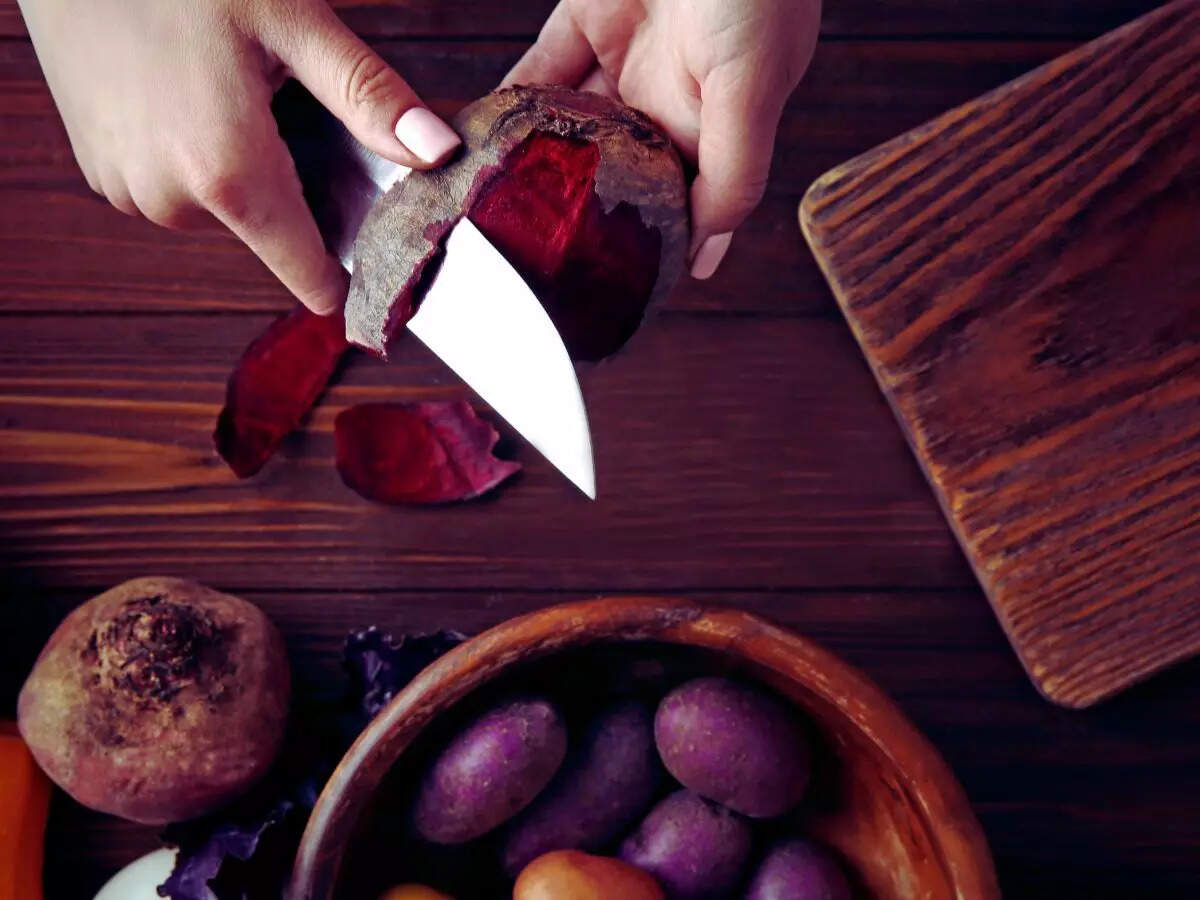
Boiled Beetroot Salad Take one beetroot, peel it and boil it. Ensure it remains firm. Now cut it into cubes. add roasted walnuts, chopped cucumber, boiled carrot, red onions and mix well. To make a dressing take 1 tsp olive oil, add salt to taste, black pepper, red chilli flakes, juice of 1 lemon, 1 tsp honey and 2 minced garlic cloves. Pour over the salad and mix well.Raw Beetroot SaladPeel and finely chop one beetroot. In a salad bowl add aryls of one pomegranate, a handful of toasted peanuts, chopped apple and mix well. Add salt and chaat masala to taste. Now add some crumbled feta cheese on top and your salad is ready.
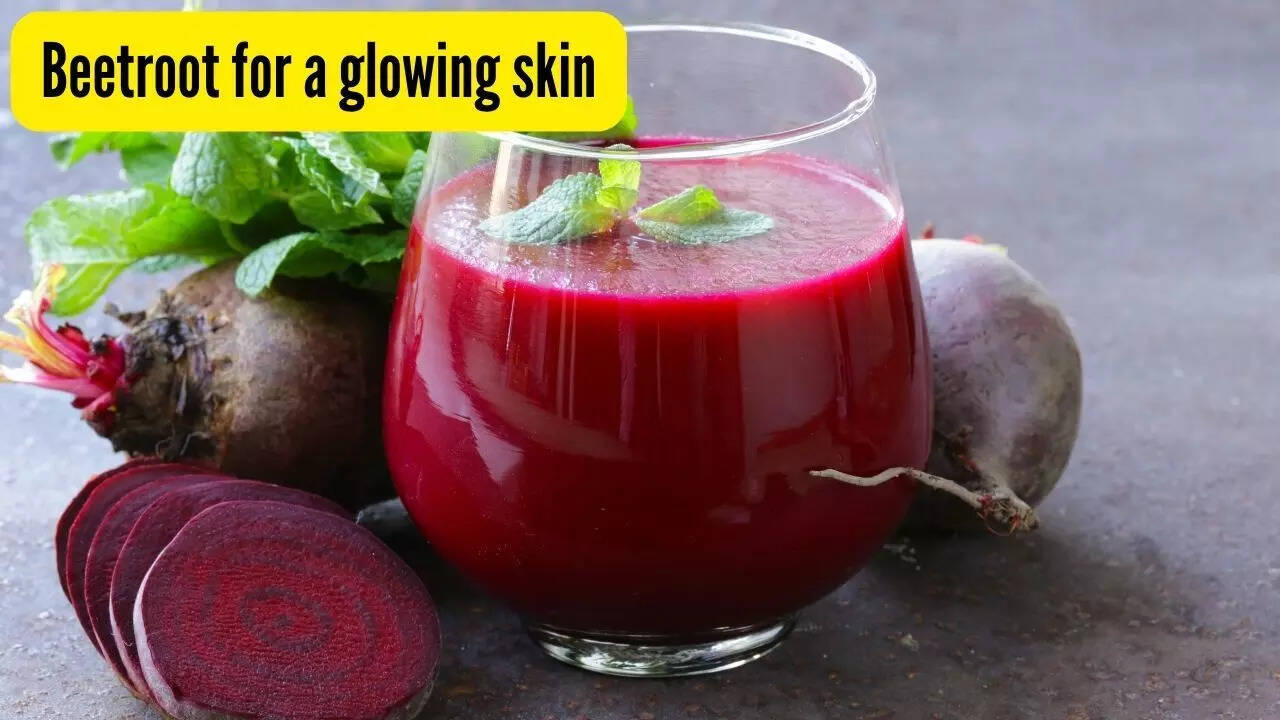
Simple ways to add Beetroot to your routineYou do not have to use complicated recipes to enjoy the benefits of beetroot. The following are some of the simplest daily alternatives:Salads: In salads, grated beetroot, lemon and pinch of saltIn smoothies: Blend carrots, amla or bananasAs juice: One little glass in the morning, not when on an empty stomach when you are acidic.In the meal: Add to the soups, sabzi, tikkis or even dosa batter to give colour and nutrients.Topically: DIY toner A patch-tested beetroot juice diluted in rosewater, applied as a drop or patch of beetroot juice.
About the Author