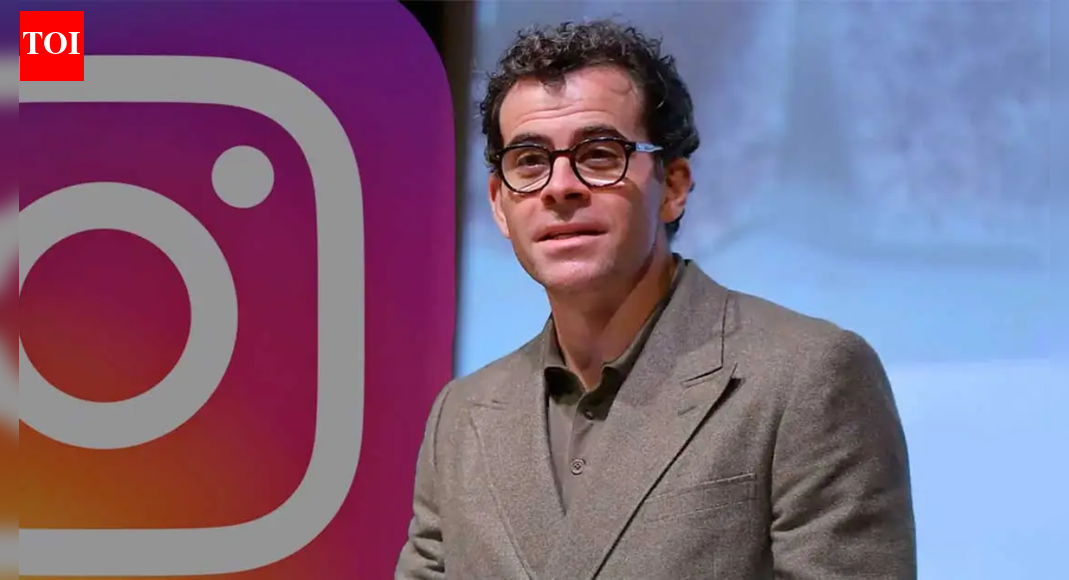

Instagram head Adam Mosseri has candidly acknowledged that the platform risks falling behind as artificial intelligence makes authenticity “infinitely reproducible,” warning that synthetic content will soon dominate the app where billions share their lives.In a lengthy New Year post, Mosseri admitted Instagram faces a critical challenge: “The key risk Instagram faces is that, as the world changes more quickly, the platform fails to keep up.” He pointed to AI-generated photos and videos becoming indistinguishable from real captured moments as the central threat reshaping social media.“Everything that made creators matter—the ability to be real, to connect, to have a voice that couldn’t be faked—is now suddenly accessible to anyone with the right tools,” Mosseri wrote. “The feeds are starting to fill up with synthetic everything.”
Meta proposes fingerprinting real media over chasing fakes
Rather than attempting to identify AI-generated content—an approach Mosseri believes will fail as technology improves—he suggested camera manufacturers should cryptographically sign authentic images at capture. “It will be more practical to fingerprint real media than fake media,” he argued, effectively admitting defeat in Meta’s ability to reliably detect AI content despite investing tens of billions in AI development.The confession by the executive comes amidst Meta’s own AI content labels proving unreliable, as the company concedes that it cannot reliably distinguish AI-generated imagery on its platform.
Polished Instagram feed “is dead,” raw content signals authenticity
Mosseri said something else very telling: Instagram’s longtime bias toward professional imagery is over. He suggested that camera manufacturers are betting on the wrong look by making it possible for people to create perfect images; what would be more authentic in an AI-dominated world is a little imperfection.”Savvy creators are leaning into unproduced, unflattering images,” he wrote. “Rawness isn’t just aesthetic preference anymore—it’s proof.“The Instagram boss outlined necessary changes including building better creative tools, labeling AI content, surfacing credibility signals about accounts, and improving ranking for original content—though he offered few specifics on implementation for the platform’s 3 billion users.
About the Author