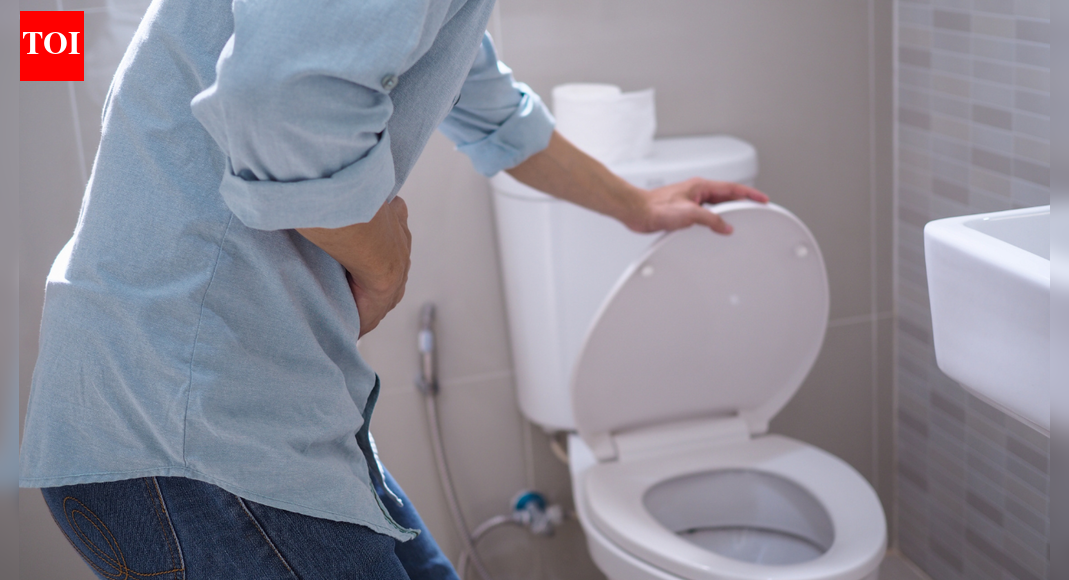
In consideration of visiting the loo “just in case,” the behavior seems to be sound advice, from before long car rides, presentations, or exercise, but Dr. Daria Sadovskaya expresses that this behavior is potentially allowing the bladder to be problematic without even realizing it. Rather than preparing oneself from leakage issues, this behavior will lead to having to go more often and having fears related to the loo.
How the bladder is supposed to function
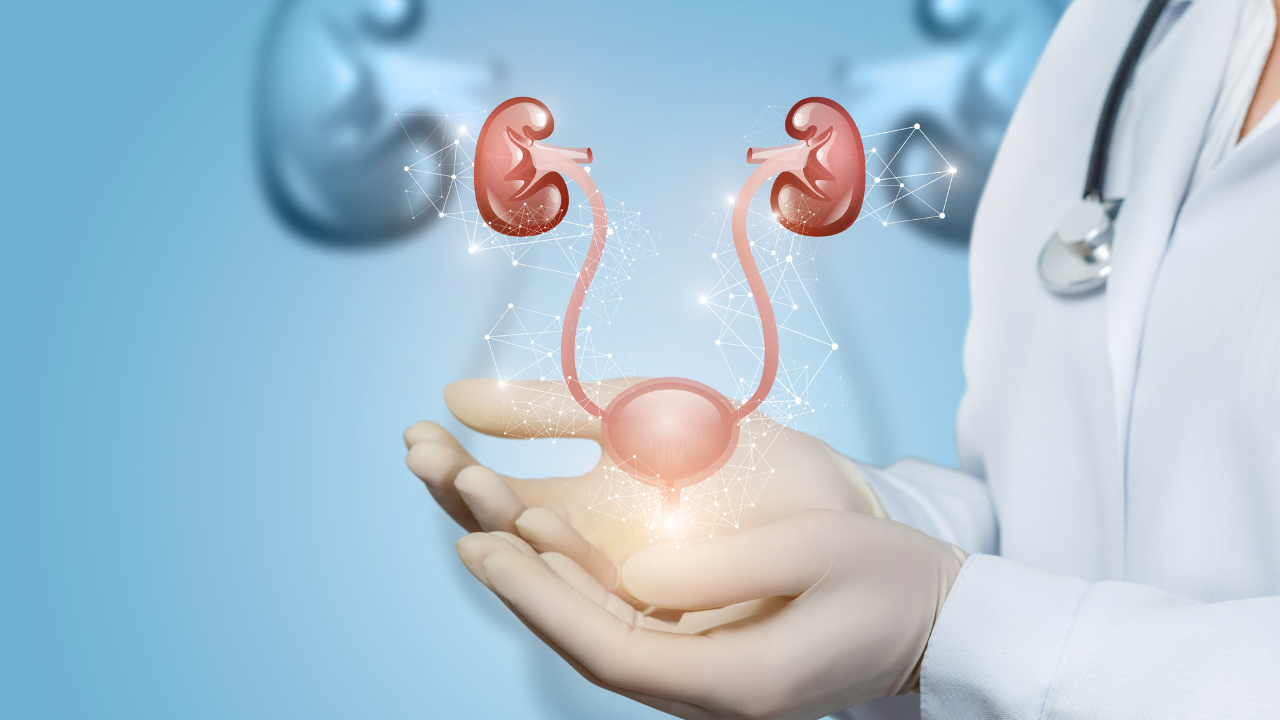
The bladder is a muscle and nerve organ that gradually fills with urine secreted by the kidneys all day long. As the bladder gradually fills, certain nerve receptors in the bladder wall send impulses to the nervous system such that you will only feel the urge to defecate when there is actually a substantial amount of urine in the bladder, almost reaching capacity.A normal pattern of urination should have you going between bathroom breaks by several hours, five to seven times throughout the 24-hour period, based on the beverage quantity and type you consume. The initial urge is just a signal and not life-threatening and, hence, you may choose to complete what you were doing before proceeding to the restroom.
What “just in case” peeing does
As you continue to evacuate your bladder without actually feeling the urge to do so, your bladder begins to evacuate smaller and smaller amounts of urine. The body eventually picks up on this and starts to think that it is time to go well before it actually is, causing you to feel the urge to go to the restroom even though only a small amount of urine is left within your bladder.
It may result in:

Frequent bathroom visits and feeling as if you have a “small bladder.”A nagging thought of always wondering where the nearest toilet is, especially if traveling or having meetings.Additional tension in your pelvic floor muscles from preparing and bracing for your bladder.Specialists in the pelvic floor area also say that some individuals tend to strain while urinating if they don’t have to pee, and this puts pressure on their pelvic floor muscles.
When going early makes sense
What Dr. Sadovskaya is not saying is that you need to hold your urine under all circumstances. While it is true that ignoring urges can ruffle the bladder, leading to leakage, there is no need to hold it in if you need to go to the bathroom.There are also instances where an intended visit to the toilet is justified, as in the following instances:Prior to embarking on a long trip where rest room facilities may not be readily available, such as a bus ride or long line.When supervised by a urologist or pelvic floor specialist as a part of a bladder training program.Pregnancies or conditions in which timed voiding has been advised by your doctor.The crucial distinction is your intention: to go on a planned itinerary constructed with a professional is a far cry from these anxious and automatic “in case”-type trips when you leave your house.
Better bladder habits
Simple adjustments to one’s daily routine can also promote good bladder and pelvic floor function. These include: Waiting for a real urge as often as possible, rather than draining oneself “just in case” out of habit or fear. The goal is to time your urination so you can wait between two and four hours between pee sessions, depending on your current frequency of peeing.Staying hydrated with water throughout the day and cutting out bladder irritants such as excessive amounts of caffeine and alcohol, if it makes urgency worse. Relaxed muscles and slow breathing when an early urge arises, rather than dashing off to the toilet every time. Consult a pelvic floor physiotherapist or urologist if there is pain, burning, leaking, frequent urination, or nighttime urination, because these symptoms can mean an overactive bladder or infection. Even small decisions can help gently teach the bladder and the nervous system how to work in a new way. In reality, the advice of Dr. Sadovskaya to avoid urination in excess of what the body requires, just in case’ is no more than the encouragement to listen to the body’s signals and to let the bladder function in the body’s natural, healthy cycle.
About the Author