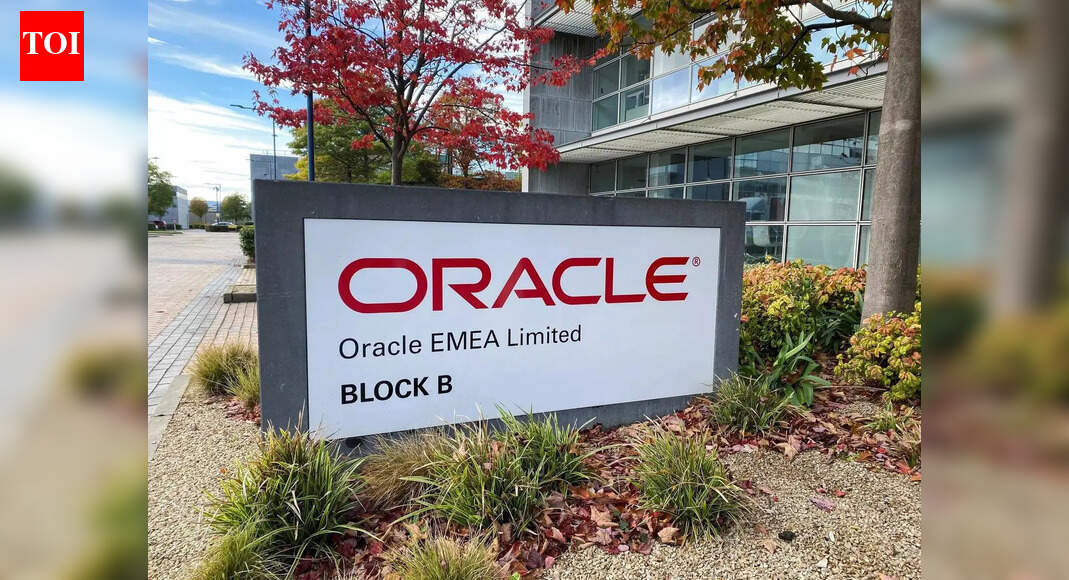
Just three months into their tenure as co-CEOs, Oracle’s Clay Magouyrk and Mike Sicilia are facing a brutal market reckoning. Shares of the database giant have plummeted 30% this quarter, putting the stock on track for its worst performance since the 2001 dot-com crash. The sell-off reflects growing investor anxiety over Oracle’s high-stakes pivot toward artificial intelligence infrastructure—a shift that requires unprecedented levels of debt and capital expenditure to support its massive partnership with ChatGPT creator OpenAI.The honeymoon period for the new leadership ended abruptly this month following a disappointing earnings report. While Oracle secured a landmark $300 billion commitment from OpenAI in September, Wall Street is questioning the cost of fulfilling that deal. Investors are worried that if OpenAI struggles to raise sufficient funding or generate enough revenue as competition intensifies, Oracle could be left holding the bag. Analysts at KeyBanc Capital Markets reportedly estimated in September that Oracle may need to add $100 billion in debt over the next four years to fund its OpenAI contract. Finance chief Doug Kehring recently stunned analysts by projecting $50 billion in capital expenditures for fiscal 2026 — double the previous year’s total. To fuel this expansion, Oracle is planning $248 billion in leases for cloud capacity and data centers.This aggressive build-out is being funded by “boatloads of debt,” including a $18 billion bond sale in September. While Oracle maintains it will protect its investment-grade credit rating, the rising price of the company’s credit default swaps suggests bondholders are increasingly nervous.“Considering Oracle is already barely hanging on to an investment-grade rating, we would be concerned about Oracle’s ability to live up to these obligations,” analysts at D.A. Davidson warned in a recent note.
How Oracle went from from super high to deep lows in 2025
The current slump stands in stark contrast to the historic optimism seen just weeks ago. In September, reports of the OpenAI deal sent Oracle shares to an all-time high of $345.72. Since that peak, the stock has shed 43% of its value, closing Wednesday at $197.49.Analysts at FactSet predict Oracle’s gross margins could slide from 77% (seen in 2021) to 49% by 2030, with billions in negative free cash flow expected over the next five years.Oracle’s deals to provide AI infrastructure require the company to build expensive data centers filled with powerful GPUs before any revenue is recognized. Oracle entered the AI boom with a debt-heavy balance sheet, and the situation is worsening as the company borrows to fuel its AI ambitions. Thanks to heavy spending on AI infrastructure, Oracle ended the second quarter with about $108 billion in debt. That’s up from $92.6 billion in May. The company completed an $18 billion bond sale in September.
About the Author