
Bad and polluted air, which forces people to wince with every breath, may also be inflicting pain with every menstrual cycle. In a 2021 study published in Frontiers in Public Health, researchers determined that a prolonged exposure to major air pollutants may increase the risk of dysmenorrhea – or menstrual pain – up to 33 times compared to clean air. For women forced to breathe air with a consistently “very poor” to “hazardous” air quality index, as is the case for Delhi women over the past month, “menstrual pain becomes a public problem instead of a private one.”
What the 2021 study revealed
A team in Taiwan studied over 296,000 girls and women for 13 years, associating them with health and air quality measures. They all had no previous records for dysmenorrhea at the baseline. Those who lived in areas where the most nitrogen oxides, carbon monoxide, and PM2.5 existed had a 16 to 33 times greater risk for painful menses compared to the least polluted areas.
PM2.5, or the minute particles that can easily pass deep into the lungs and even the bloodstream, had the strongest individual effect. These particles are believed to cause persistent low-grade inflammation and oxidative stress, among other things, that can lead to hormonal imbalances, augmented uterine contractions, and are primarily responsible for creating more severe cases of cramping.
Why this matters in today’s AQI reality
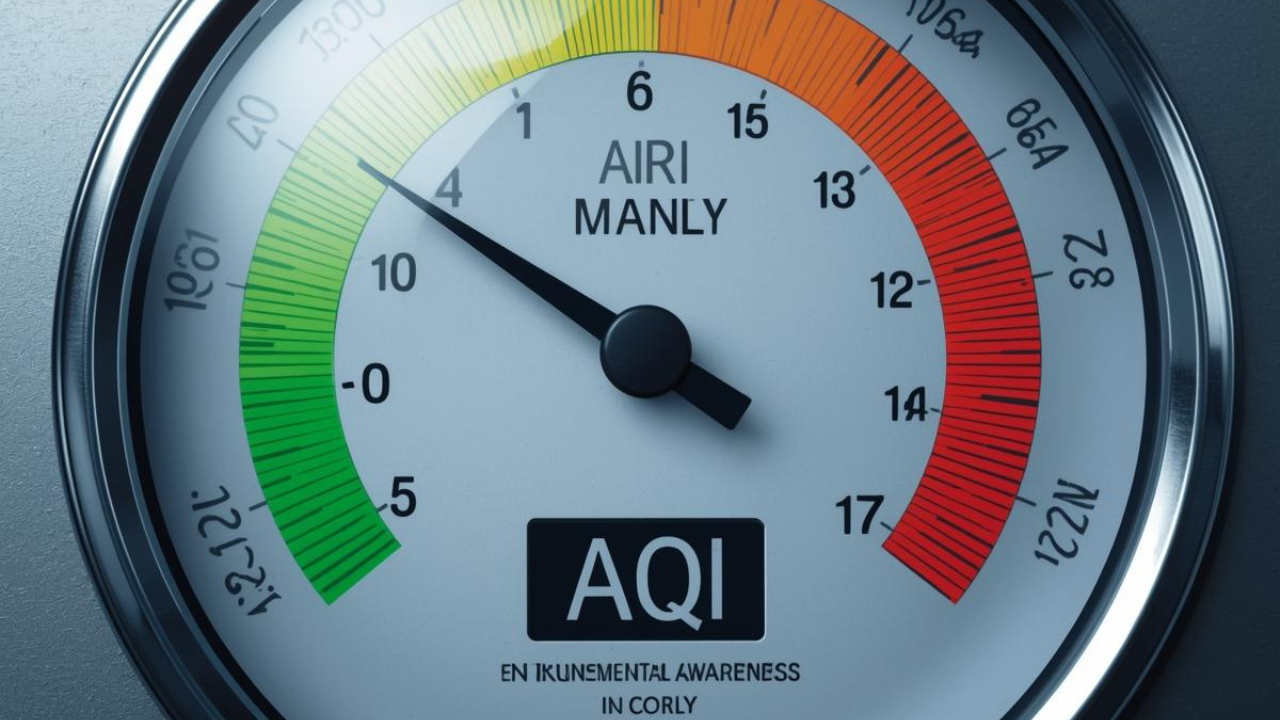
In several Indian cities, and especially in North Indian cities, the current AQI levels have remained “severe to hazardous” throughout the winter months, with the 24 hour Delhi values having been reported above 400 recently, with occasional max values above 700. These levels are well above international safety standards for allowable PM2.5 and NOx levels, meaning people are being subjected to the type and degree of intense exposure detected by the Taiwanese study as being responsible for the sharp increase in the incidence of dysmenorrhea.Evidence emerging suggests that this is no isolated incident. Additional studies have made connections to irregular menses, reduced luteal phase lengths, and increased rates of seeing a physician for menstrual complaints and air pollution exposure. Then in 2025, over 2.2 million cycles were analyzed and women who were exposed to higher levels of pollution experienced disrupted cycles.
What can woman do

Through the usage of real-time AQI application services and staying indoors when the AQI is recorded as “very poor” or poorer.Wearing an properly fitting N95 mask outdoors, which can filter out a substantial portion of PM2.5 particles.Closing windows during peak periods of pollution and using air cleaners indoors, as far as is practicable.If there is ever a sudden worsening in the experience of period pain, or if the periods become irregular, or if the pains start causing difficulties with everyday activities, then consulting a physician is necessary, especially if the person is a teenager or a young adult Lifestyle support such as exercise, sleep, anti-inflammatory foods, and not smoking could also mitigate or counteract some of the effects of the air’s inflammatory properties, but this doesn’t negate that cleaner air in external policy contexts is necessary.
Why policymakers should be concerned
Dysmenorrhea has already been estimated to exist in between 16 and 91 percent of reproductive-aged women, with 29 percent experiencing enough pain to limit school, work, or other activities. If air pollution has the potential to increase that risk, particularly in megacities experiencing regular levels of smog, the consequences will extend well beyond personal discomfort. A message from research undertaken by Frontiers in 2021 and emerging studies since then is that menstrual health must be part of air quality discussions. As air quality index graphs become darker during winter, women’s pain and menses are no longer just “problems associated with periods” but can be warning signs of what toxins are doing inside our bodies.
About the Author