


Colon Cancer, also referred to as “colorectal” cancer, still ranks among the major challenges to humanity because it affects over 1.9 million individuals every year and results in death for about 900,000. In the US, for instance, there were recorded cases of over 150,000 individuals in 2024. In lower and middle-income nations, there is a steep rise because they have older populations and less screening. Additionally, symptoms such as “bloody stool,” “unintentional weight loss,” and “changes in bowel movements” take time to be exhibited, making colonoscopic screening imperative. The survival percentage stands at a meager 65 percent but improves to 90-percent for those whose condition is detected early. Such advancements, therefore, are indispensable for a condition whose impact is so catastrophic on families.Bacteria found in the ocean, which belong to the marine group, may possess a revolutionary cure for colorectal cancer, claimed by experts at the Japan Advanced Institute of Science and Technology . Experts have narrowed down their focus to a naturally existing bacterium called Photobacterium angustum, which attacks cancer cells with pinpoint accuracy. The discovery has raised hope for a condition that kills hundreds of thousands of people every year.
A hope from the sea
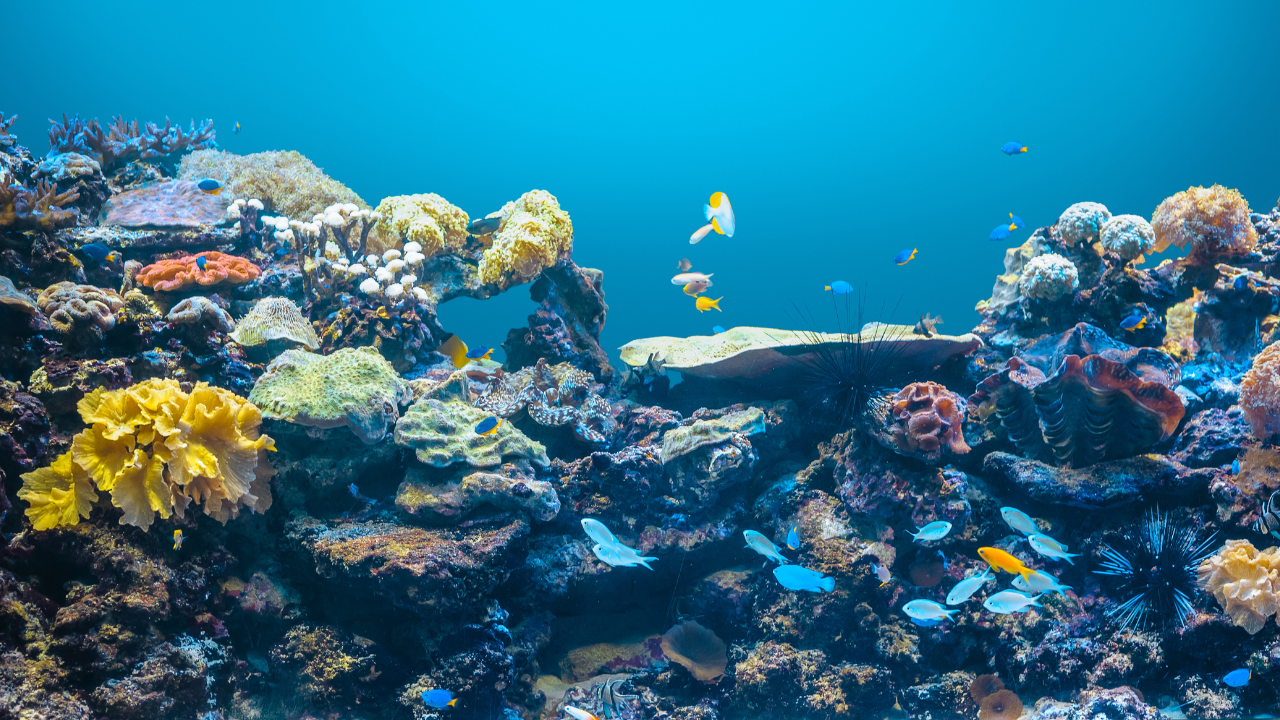
Colorectal cancer is one among the leading causes of death, and chemo or surgery is often ineffective, particularly in advanced stages. Researchers at the Japan Advanced Institute of Science and Technology began searching for better alternatives among marine bacteria under the guidance of Professor Eijiro Miyako. They began testing strains such as P. phosphoreum or A. logei on mice models, but P. angustum was the only one that performed impressively with significant tumor reduction, improved survival, and minimal side effects.
What makes it so special?
It targets the tumor cells’ reduced oxygen environment, which is one of the characteristics of tumor development. When it arrives, it bursts cancer cells on site and enlists the help of the immune cells to tackle the problem. The production of T cells also increased, providing long-term protection against relapse. This treatment resulted in cured mice rejecting tumor development in several weeks.
How it works

Unlike other treatments, however, P. angustum requires no genetic engineering. Researchers injected this bacterium systemically, and it preferentially accumulated in colon cancer tumors, but not other organs, for example, the liver or lungs, thereby reducing side effects, a common consequence of chemo treatments. The study appeared in the Journal for ImmunoTherapy of Cancer and provided the first evidence of this bacterium’s effectiveness for targeting colon cancer.Further analyses showed immense potential. It was effective in inflammation-related colorectal models and even drug-resistant cases of triple-negative breast cancer. The survival rate significantly increased compared to controls, and there was regression of over 80 percent in some instances. Another asset was that it remained harmless; other bacteria caused toxicity immediately, but P. angustum remained gentle.Imagine a patient battling stage three colon cancer and being weakened from aggressive chemo and radiation. A bacterial treatment such as this could even the playing field a little and deliver a direct knockout without as many stays at the hospital. Current medications for the immune system do not work for everyone, and some patients develop a resistance to the drugs. P. angustum’s two-pronged attack could take care of that.
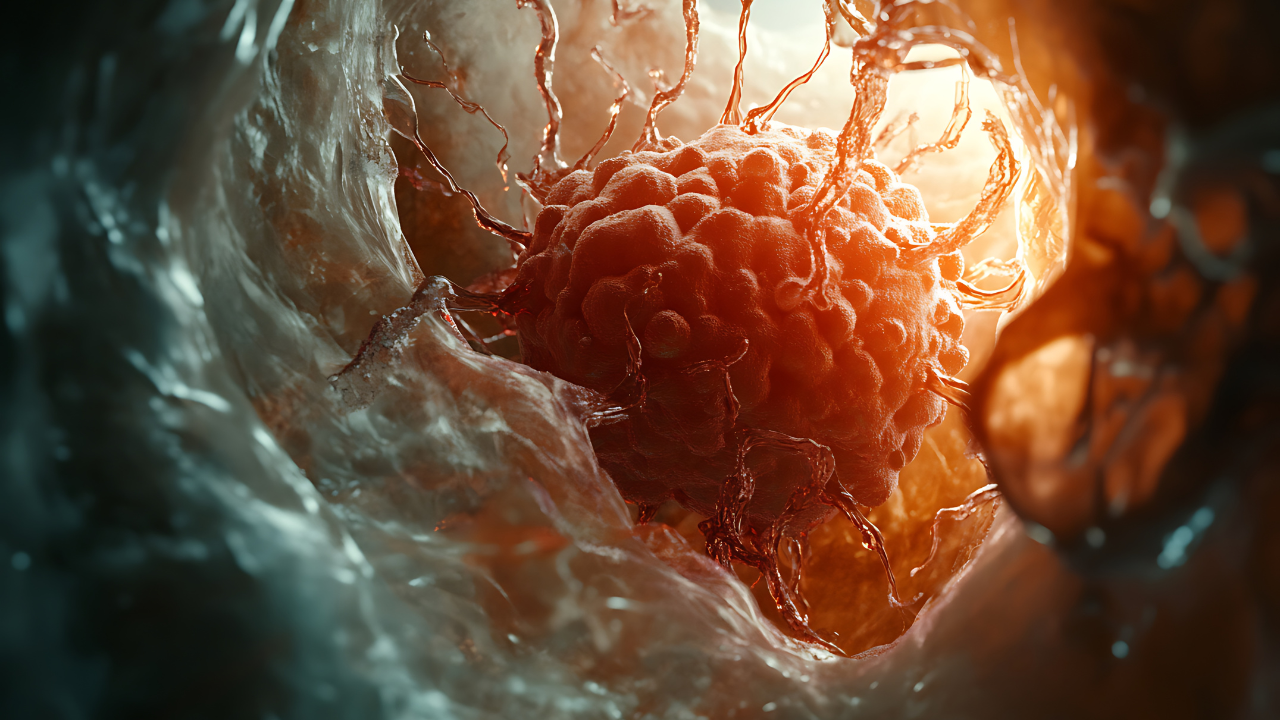
en combine this with other medications and the outcomes could. Some hits have come from the marine environment previously—think of compounds derived from sponges for leukemia. This is definitely part of a trend. Actions next While the preclinical success sets the stage for trials in humans, most probably imminent given the buzz, there are still challenges ahead. This includes production at larger scale levels, administering doses in humans, and then proving it safe in larger populations. While that’s progress, it also shines a light on the untapped toolkit that is found in nature—that is, the ocean full of microbes we still know little about. This innovation also brings back the realization that answers can lie right before our eyes, or better said, beneath the surface. Patients and their physicians closely observe as marine bacteria approaches the doorstep of the clinic. If it works out, colorectal cancer will have a new and very challenging enemy right out of the ocean.
About the Author