The military sleep method offers a simple, drug-free way to unwind-and fall asleep faster, even in tough conditions. Developed for soldiers facing chaos and fatigue, it combines progressive muscle relaxation, controlled breathing, and calming visualization. Practice it nightly for six weeks, lying down in a dark, cool room free of screens or noise. Results build gradually, much like training your body for any skill.First of all, clear your mind-close your eyes and breathe slowly and naturally three times. If your mind starts racing, say “don’t think” to yourself ten times. This automatically quiets mental chatter and prepares you for deeper stages of relaxation.
Progressive muscle relaxation

Start from the top-and work down, tensing each muscle group for five seconds and releasing for ten seconds. Feel the difference between tension and looseness. Forehead first: scrunch it hard, like frowning deeply, then smooth it out. Eyes: squeeze them shut tight, then let brows lift naturally.
Jaw: clench teeth gently, avoiding strain, then part lips and relax.Shoulders: shrug them up toward your ears, hold, then drop them heavily. Arms: flex biceps by curling fists toward shoulders, hold, then straighten and shake out loosely.Chest: take a deep breath in to expand it, hold, exhale fully. Stomach: tighten abs as if bracing for a punch, then let go soft. Hips and thighs: squeeze glutes and quads, hold, release.Calves: point toes away, tense, then flex feet back. Finish with feet: curl toes under, hold, then spread them wide.At the end—your body feels heavy and sunk in the bed. Various studies show this technique reduces anxiety and enhances the onset of sleep, especially for individuals under stress.

When muscles are limp, focus on breath: inhale quietly through your nose to a count of four, filling your belly first and then your chest. Hold for one count if it’s easy, then exhale slowly through pursed lips to counts of six to eight, as though you’re fogging up a mirror lightly. Do eight-to ten cycles. Keep rhythm steady; let each breath anchor you deeper. This turns on the parasympathetic nervous system, which slows heart rate, easing you toward sleep. Now close your eyes and allow yourself to imagine a peaceful scene. Imagine lying in a black velvet hammock slung between two palm trees, swaying gently in a warm breeze. Feel the fabric soft against your skin; hear leaves rustle faintly overhead. Or switch scenes: floating in a canoe on a glassy lake at dusk, blue sky fading to stars, water lapping the boat sides rhythmically. Hold details: the calm motion, fresh scent, distant bird calls.If the mind drifts within ten seconds-repeat the imagery in a bright, vivid manner. The person stays here until the sleepiness pulls him/her down. Visualization is a mirror of guided imagery used in CBT-I, which has been proven to cut symptoms of insomnia by quieting overactive thoughts.
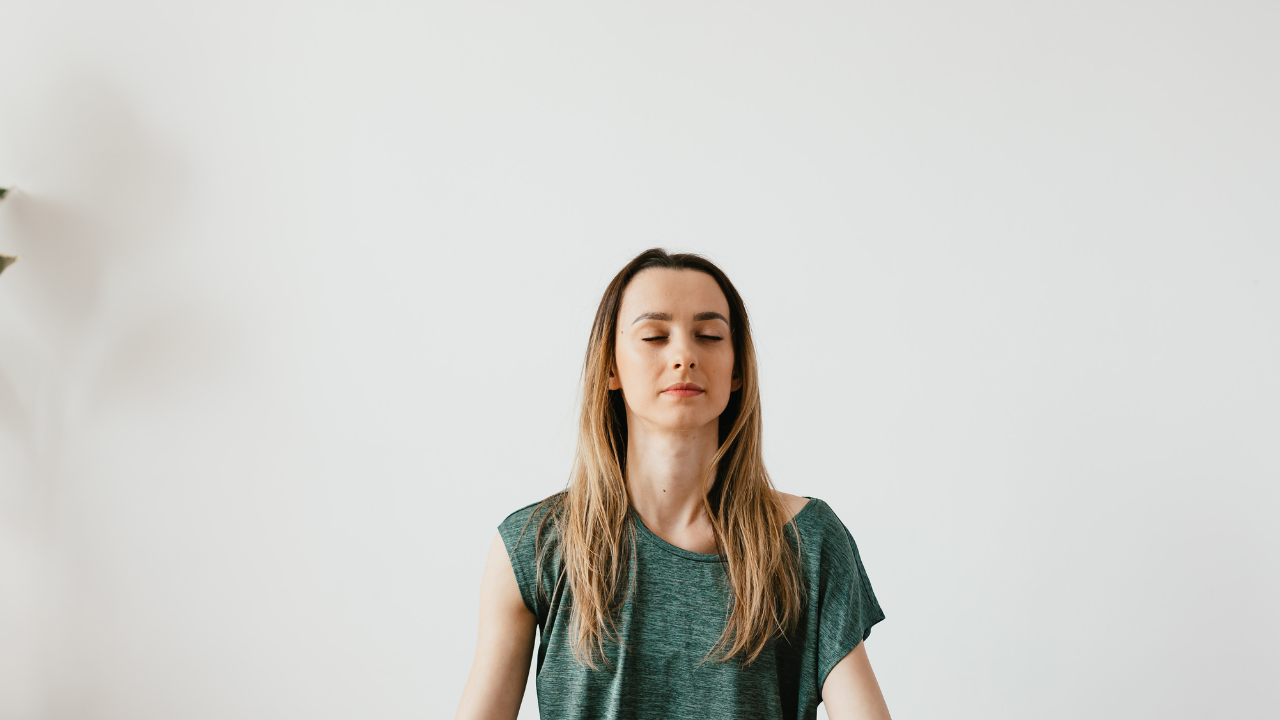
Practice twice a day, even sitting up, to wire in the habit. Track sleep onset time weekly; normal is 10-20 min-minutes, not two. Pair with basics: same bedtime daily, no caffeine after noon, room at 18-22°C, light dinner. Avoid clock-watching, as worry worsens it.For night-shift workers or parents, adapt by shortening steps. Research confirms these tools help veterans and civilians alike, outperforming meds long-term without side effects. If sleep issues persist beyond weeks, consult a doctor to rule out apnea or disorders. Consistency turns this into your personal sleep superpower.
About the Author