
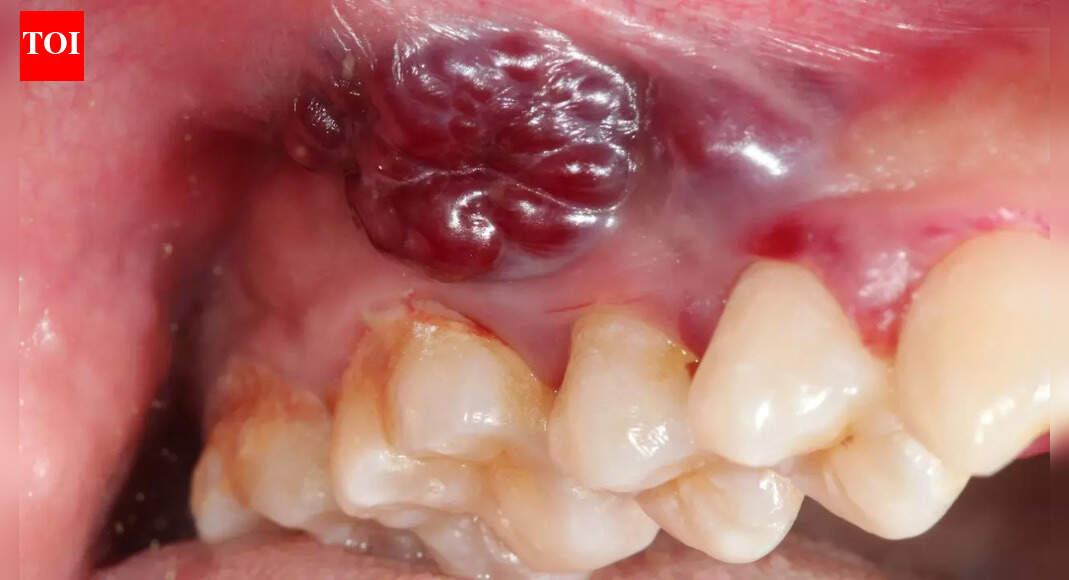
A mouth ulcer is usually seen as a small irritation that appears after accidentally biting the inside of your cheek or eating spicy food when the body is stressed. Most people expect it to heal on its own within a few days and rarely think twice about it. However, for an increasing number of Indian women, a simple ulcer that refuses to disappear is becoming an early sign of something far more serious. Oral cancer is rising across urban India, and one of the earliest visible warnings is a non-healing ulcer inside the mouth or on the lips. Paying attention early can genuinely save lives and prevent late-stage diagnosis.A peer-reviewed study published in the Journal of Oral Biology and Craniofacial Research found that persistent ulcers and white or red patches were common early indicators of oral squamous cell carcinoma, particularly when they lasted longer than two weeks without improvement. The research emphasises that chronic lesions often appear harmless in the beginning, which is why early medical evaluation is crucial. Many women ignore these early changes because they are painless or appear too minor to worry about. This delay is one of the biggest reasons oral cancer is often diagnosed late.
Oral cancer risk is increasing among Indian women
India carries one of the highest burdens of oral cancer globally, and cases are rising among women, especially in cities. Historically, men were more affected due to tobacco and alcohol use, but new lifestyle patterns have shifted this trend. More women are reporting prolonged ulcers, unexplained patches inside the mouth and difficulty swallowing. Many patients have no history of tobacco consumption. This proves that oral cancer is no longer limited to traditional risk groups and requires wider awareness among women from all backgrounds.
Non-healing mouth ulcer and oral cancer connection
A non-healing ulcer is one of the earliest and most important warning signs. Any sore in the mouth that does not resolve within fourteen days should be considered suspicious. Unlike everyday ulcers, cancer-related ulcers may have raised edges, appear rough or bleed slightly when touched. They may not always be painful. Some women describe a feeling of discomfort while eating or brushing rather than sharp pain. Because these symptoms feel small and manageable, they are often dismissed. Early diagnosis is the key factor that decides treatment success and survival rates.
Why urban women may be more vulnerable than before
Several changing lifestyle factors contribute to the rising risk among city-based women. Poor oral hygiene, lack of regular dental check-ups, chronic irritation from braces or sharp teeth, nutritional deficiencies and growing exposure to alcohol or passive smoking are significant contributors. Long working hours and stress can also weaken immunity and reduce the body’s ability to heal wounds quickly. When ulcers are ignored for weeks or months, suspicious lesions can quietly develop into something dangerous. Increased awareness can genuinely transform outcomes and protect women who might never consider themselves at risk.
Symptoms of oral cancer that women should never ignore
Along with a non-healing ulcer, several other signs may indicate early oral cancer. These include:
- Persistent red or white patches inside the mouth
- Swelling or thickened skin inside the cheek or on the gums
- Difficulty chewing or swallowing without dental explanation
- A lump or sore spot on the lips or tongue that slowly increases in size
- Continuous bleeding or numbness in any part of the oral cavity
- A tooth becomes loose for no reason
Any one of these symptoms lasting longer than two weeks needs a professional evaluation.
Prevention strategies and early protection
Women can significantly reduce risk by maintaining good oral hygiene and scheduling routine dental check-ups. Avoiding tobacco in all forms and reducing alcohol intake remain important. Correct poorly fitted dentures or sharp teeth that repeatedly irritate the same spot. Pay attention to mouth changes rather than waiting for pain. Early examination is always safer than delaying and hoping it resolves.A non-healing mouth ulcer may look harmless, but it can be the earliest red flag of oral cancer in Indian women. Awareness, regular checks and timely diagnosis can prevent complications and save lives. If an ulcer refuses to heal even after careful oral care, do not wait. Get it examined without hesitation. The sooner it is evaluated, the stronger your chance of stopping a serious condition before it progresses.Disclaimer: This content is intended purely for informational use and is not a substitute for professional medical, nutritional or scientific advice. Always seek support from certified professionals for personalised recommendations.Also read| Your poop is more valuable than you think: Why stool donors are in demand and how it can save lives
About the Author