
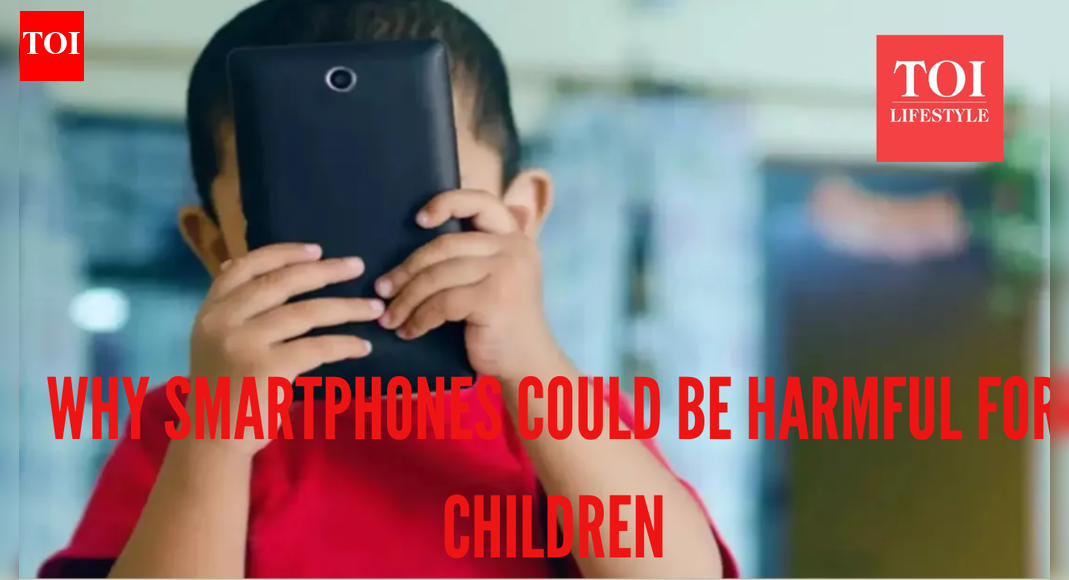
Most children have smart phones these days. While a lot of times, smartphones are handy in keeping children safe (through regular contact, tracking etc.), giving them too early to your child can cause a host of issues, says science. Let’s see how…Research published in Pediatrics shows that children who begin using their first cellphone before age 12, face increased chances of developing obesity, depression and experiencing sleep disturbances. The research does not prove that phones directly cause these problems, but it shows a clear association that should make parents pause, before handing over a smartphone in late primary school.What the new study foundThe US Adolescent Brain Cognitive Development (ABCD) Study tracked more than 10,000 children and teens from ages 9 to 16, through its extensive long-term research on child brain development and health. The researchers studied how smartphone ownership at age 12, affected mental health and weight and sleep patterns in children.As part of the study, children who received their first smartphone at age 12, developed depression at a 30% higher rate, obesity at a 40% higher rate, and experienced insufficient sleep at a 60% higher rate than their phone-less peers. The study revealed that children who started using smartphones early in life, developed higher risks for depression, obesity and sleep disturbances. The study shows that children who start using smartphones before age 12, face increased health risks which grow by 10% for each year.

Why age 12The research determined age 12 as its critical threshold, because this developmental stage includes rapid brain changes and hormonal shifts which occur when children transition from childhood to adolescence. A 12-year-old brain develops increased sensitivity toward social media feedback, peer approval and online notifications, which make their emotional reactions more intense.The study indicates that giving smartphones to children before age 12, disrupts their typical development of sleep patterns, physical activity and face-to-face social abilities. The lead author of this study who works as a child psychiatrist at Children’s Hospital of Philadelphia, explained that 12-year-olds and 16-year-olds experience different emotional stages even though they use the same devices.How early phone use links to obesityThe study demonstrates that children who receive smartphones at an early age, develop higher risks of obesity, because they spend more time sitting, while using their devices for gaming, video watching and social media scrolling. Children who watch screens for extended periods develop habits to consume more snacks and sugary drinks, which results in weight gain, through their tendency to eat without thinking.The study shows that 12-year-old smartphone users develop obesity at an 18% rate, which exceeds the 12% rate of non-smartphone users. The study demonstrates that children who receive their first phone at an earlier age, develop higher obesity risks, which increase with each additional year of phone usage, starting from age 4.

Links to depression and emotional healthResearch indicates that children who begin smartphone use before their 12th birthday, will develop depression together with multiple emotional health issues. The study shows that 6.5% of 12-year-old smartphone users developed depression, but only 4.5% of non-smartphone users experienced depression at this age.Delving into the reasonsResearch studies identify three possible reasons why children who start using smartphones before their 12th birthday, develop depression: these include spending more time comparing themselves to others online, experiencing cyberbullying, and feeling left out of social group discussions. Young people face depression risk factors because they spend too much time on their phones, while getting inadequate sleep and engaging in less physical activity.Sleep issuesThe study revealed that children who owned smartphones at age 12 experienced more sleep problems than their non-smartphone using peers, with the issue becoming more severe when they received their first phone at a younger age. Screen time before bed along with blue light exposure, interferes with melatonin production to result in poor sleep quality. The combination of late-night phone usage, endless video watching and constant notification alerts, leads to delayed bedtime.Sleep disturbances, together with depression symptoms and weight changes create a cycle which reinforces itself. The research indicates that children who started using phones between ages 12 and 13 developed inferior sleep quality together with mental health issues, compared to children who never received a phone. Research shows that children who get their first phone between 12 and 13 years old will develop poor sleep quality and mental health issues compared to those who avoid phones.No direct link establishedThe research establishes a link between phone ownership and these health issues, but it does not prove that phones directly cause these problems. The research shows that children who start using phones at age 12, become 30% more likely to develop depression and 40% more likely to develop obesity and 60% more likely to experience sleep problems than their phone-less peers. Research studies have produced conflicting results about phone usage effects on mental health, because the relationship remains unclear. The research findings become difficult for medical staff and parents to dismiss because of its large sample size, controlled confounding variables and consistent risk pattern, that starts with phone access during early childhood.What this means for parentsThe research gives parents necessary information about when they should let their children start using smartphones. The study recommends parents should handle smartphone distribution with the same care as they would when making decisions about their child’s sleep schedule, dietary choices and physical activity levels.Parents need to follow these specific rules when they want to give their children their first smartphone…Parents should wait until their child turns 12 or older, before giving them their first smartphone.They should start with with basic phones or smartwatches which enable phone calls and messages, but block social media access to the internet.Parents need to create bedtime rules which ban phones from bedrooms, and require children to stay away from screens before their bedtime.Parents should monitor their children’s internet activities, social connections and emotional state instead of focusing on screen time duration.Questions to discuss with your child’s doctorThe doctor needs to determine if your child demonstrates sufficient emotional maturity to handle social media platforms and messaging applications.The family needs to establish rules for screen time, sleep schedules and monitoring systems.The doctor needs to assess your child for signs of depression, weight gain and anxiety symptoms which could result from phone usage.The family needs to start with a basic smartphone that provides essential features before they can move up to a full-featured smartphone with complete functionality.Health professionals now recognize smartphone timing as a vital element for adolescent health planning at the same level as sports, nutrition and mental health guidance.Disclaimer: This article is informational only and not a substitute for medical advice
About the Author