


The idea that “the bladder is often not the villain” is a powerful reframe for anyone living with constant bathroom trips or surprise leaks. Instead of seeing the bladder as weak or defective, doctors like urologist Dr Tarek Pacha invite patients to look at its noisy neighbour in the pelvis: the rectum. When the bowel is chronically full, the bladder often becomes an innocent bystander that is being squashed, irritated-and blamed.
When “overactive bladder ” is really a bowel problem
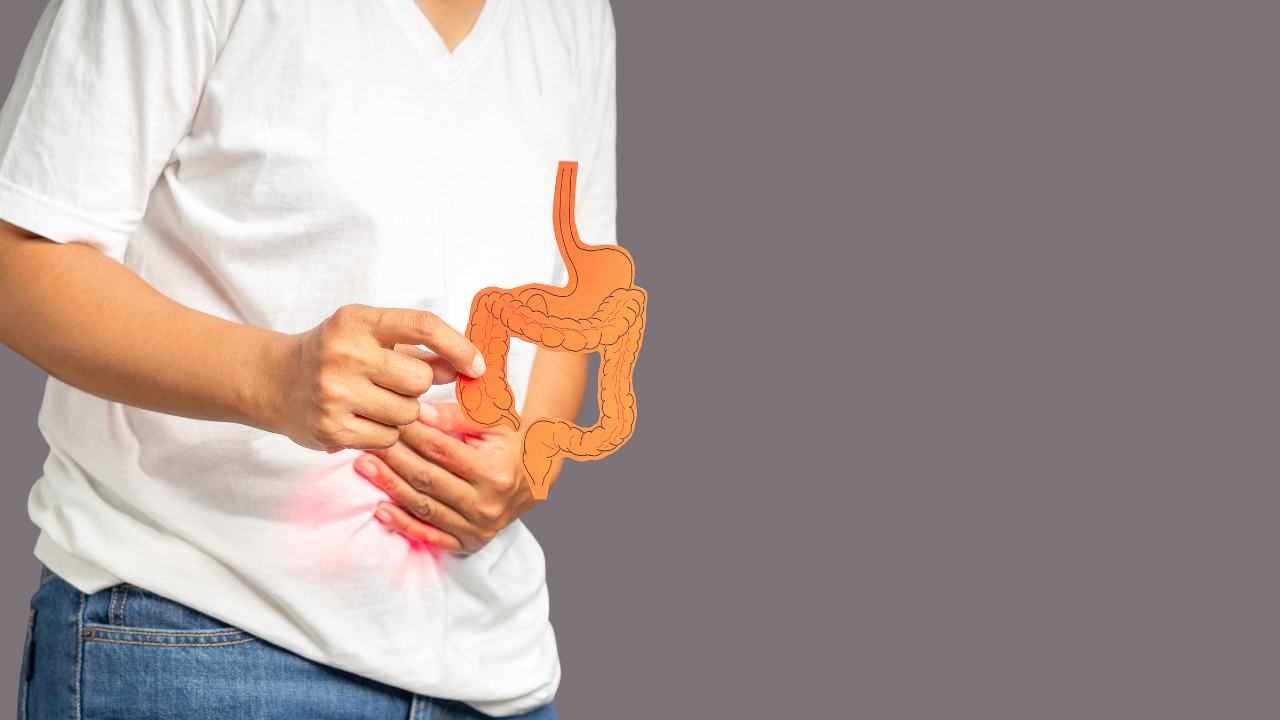
Many people who are living with urgency, frequency and leakage walk out of the clinic with a label of Overactive Bladder and a prescription that tells the bladder muscle to relax. Some feel a bit better. Others notice side effects like dry mouth, constipation or brain fog and still keep scouting for toilets everywhere they go. What gets missed is the question: “How is your bowel actually working?”The bladder and rectum are occupants of a tight, bony apartment-the pelvis. They sit front and back, separated only by thin walls of tissue. When stool stays packed in the rectum, it pushes forward on the bladder and tugs on shared nerves. The brain then receives a noisy stream of messages that say “you need to pee now,” even if the bladder is not actually full. Doctors sometimes call this pattern occult constipation, because you may still pass stool once a day, yet a large amount can remain trapped higher up or in the rectum. The result is a bladder that is constantly irritated and over signalled.
Step 1: Rethinking fiber and fluids
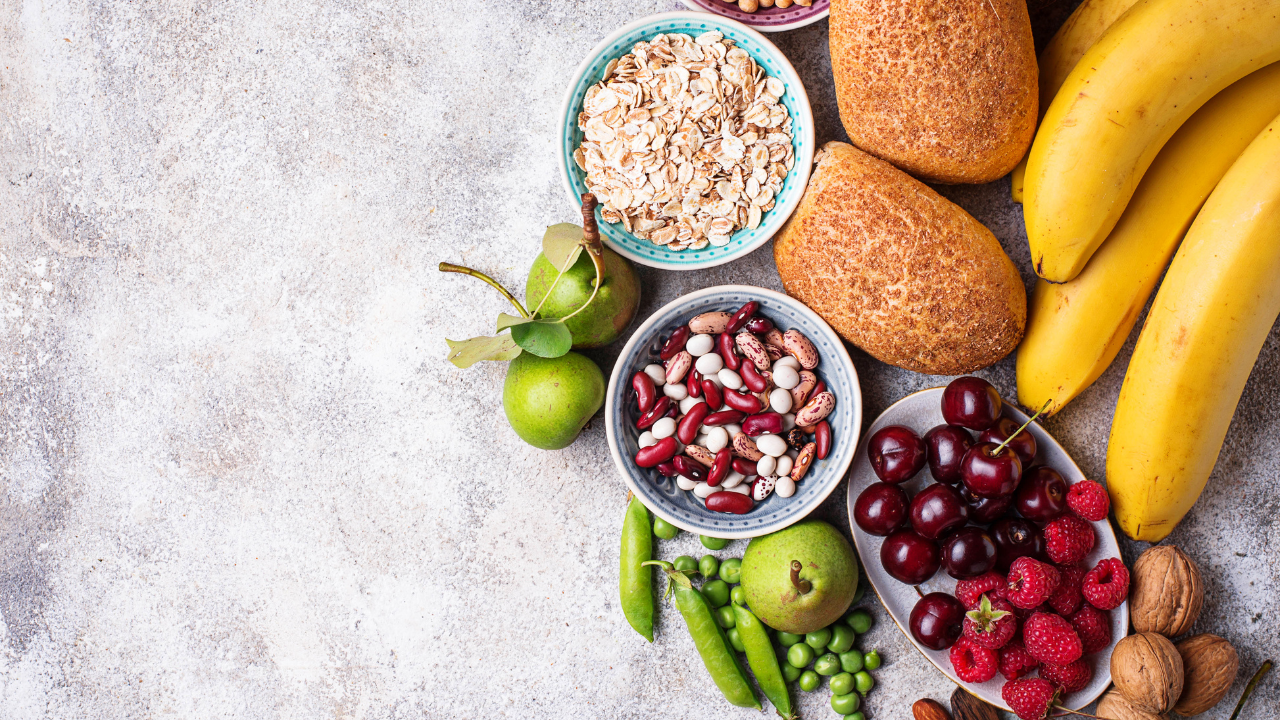
The first way to help this crowded situation is by changing what’s moving through the bowel. Many of us hear the word “fiber” and vaguely think of bran cereal. What the bowel really loves is moist, hydrous fiber that comes with its own built-in water. Fruits like kiwi, soaked dates and apricots, along with cooked vegetables, create soft, bulky stools that move more completely instead of turning into dry plugs. Two kiwis a day have even been studied for gentle constipation relief in adults. When this kind of fiber arrives with enough water, it works like a soft sponge that glides through and leaves less residue behind.People who add fibre but forget fluids often feel worse. Fibre without water can swell and sit there, making that hidden constipation more obstinate. So any diet shift needs a matching hydration shift. A simple rule is to keep your urine a pale straw colour most of the day. For many adults that means aiming for several glasses of water, herbal tea or other low sugar drinks across the day while adjusting for kidney or heart conditions as advised by a doctor.
Step 2 : Using Magnesium Wisely

For some patients, nutrition alone does not clear that backlog. This is where Dr Pacha and other clinicians might bring in magnesium citrate as a short term “secret weapon.” Magnesium comes in many forms. Magnesium glycinate is popular for sleep and anxiety, because it is calming and gentle on the gut. Magnesium citrate behaves differently. It pulls water into the bowel, softening the stool and helping the colon evacuate more completely.An average dose to start would be 200 to 400 milligrams with dinner or at bedtime, always with a glass of water. The following morning, many will find their bowel movement easier and more complete. If the stool becomes loose, the dose can be dialed down or taken less frequently. This sort of protocol is not intended as a substitute for medical advice, and those with kidney disease, or on certain medications, will need to check in first with their clinician. Used thoughtfully, though, it can help reset a bowel that has quietly been crowding the bladder for years.
Step 3: Fixing the mechanics in the bathroom
Even if one is on the right diet with appropriate supplements, posture on the toilet can make or break the result. Human bodies evolved to empty the bowel in a squat position, not perched upright on a modern toilet. When we sit at a right angle, the muscle that wraps the rectum like a sling stays partially tight. That creates a kink in the “pipe” and encourages incomplete emptying. A simple toilet stool can change that. By lifting the feet and tipping the hips slightly forward, the anorectal angle straightens, the sling muscle relaxes, and the rectum opens more fully. Many people describe this as suddenly realizing what a truly complete bowel movement feels like.Over time, better emptying means less pressure on the bladder, fewer mixed signals to the nervous system, and often a noticeable reduction in urgency and frequency. Perhaps the most empowering message from Dr Tarek Pacha’s approach is that bladder symptoms do not always have to be a life sentence or a sign of personal failure. The bladder is, in many instances, simply reacting to a crowded, constipated neighbour and a lifetime of modern habits. Transforming that environment can mean addressing hydration, using kinder forms of fiber, and, where appropriate, magnesium citrate, along with changing toilet posture. Of course, not every case of urinary urgency is due to occult constipation. Infections, hormonal shifts, neurological conditions, and structural issues also play important roles. That is why anyone with sudden changes, blood in the urine, burning, pelvic pain, or a history of cancer should seek a proper medical evaluation. But for a large group of people who have been told they have “overactive bladder” without a clear reason, looking at the rectum can be the missing link. When the noisy neighbour finally moves out, the bladder often proves that it was never the real problem at all.
About the Author