
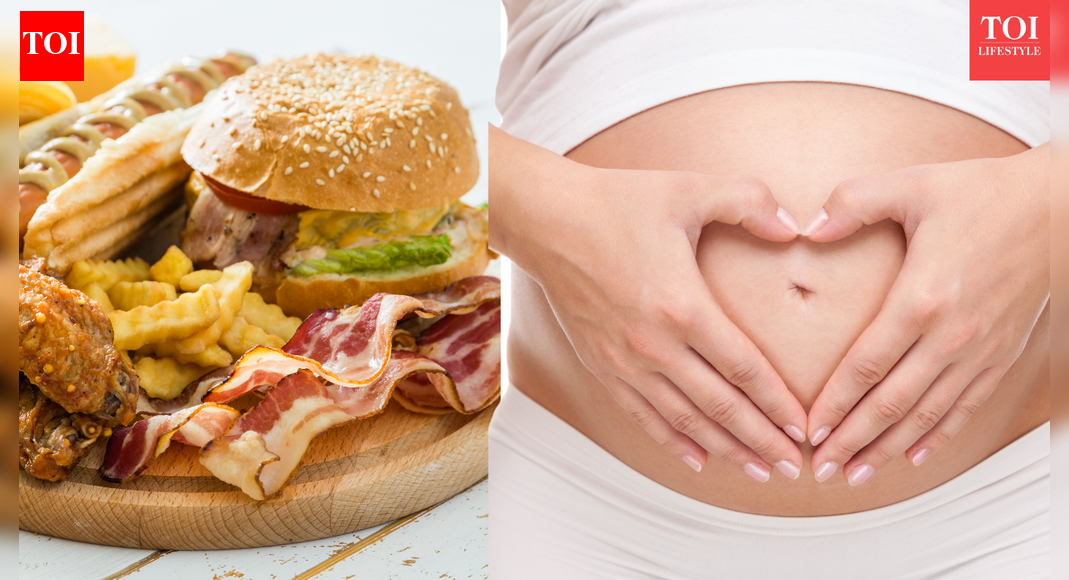
Pregnancy cravings often have expectant mothers reaching for their fatty favourites, such as sweet or fried foods. New research now uncovers these smells alone might program babies for higher obesity risk later in life. Scientists with the Max Planck Institute for Metabolism Research found that even healthy moms exposed to fatty food odors passed on changes which made offspring more prone to weight gain and diabetes.This connection, which was uncovered using mice, was published in Nature. Pregnant rodents ate a diet low in fat but nutrient-rich-infused with scents that smelled like bacon. The mothers stayed lean and healthy. But their pups developed brains wired to overeat, showing stronger hunger responses and weaker insulin control when they encountered high-fat food as adults.Key finding: fetuses pick up odors through amniotic fluid, and newborns via breast milk. This early sensory hit rewires reward centers and appetite neurons, mimicking patterns in obese animals.
How smell shapes a baby’s brain
Brains form fast in the womb, tuning into mom’s world through smell. Fatty aromas hit dopamine pathways tied to pleasure and motivation. They also tweak AgRP neurons that drive hunger and metabolism.Results proved that in the experiment, pups from scent-exposed moms gained more weight on fatty diets and had poor insulin resistance, a diabetes red flag. Artificial brain stimulation with these smells in newborns alone triggered adult obesity, proving early life sets the course.This is more than about mom’s weight. Lean mothers produced the same risks if their meals carried fatty whiffs. Past work links overweight pregnancies to kid obesity, but smells add a new layer even in fit women.
Fatty Foods: Not all equal
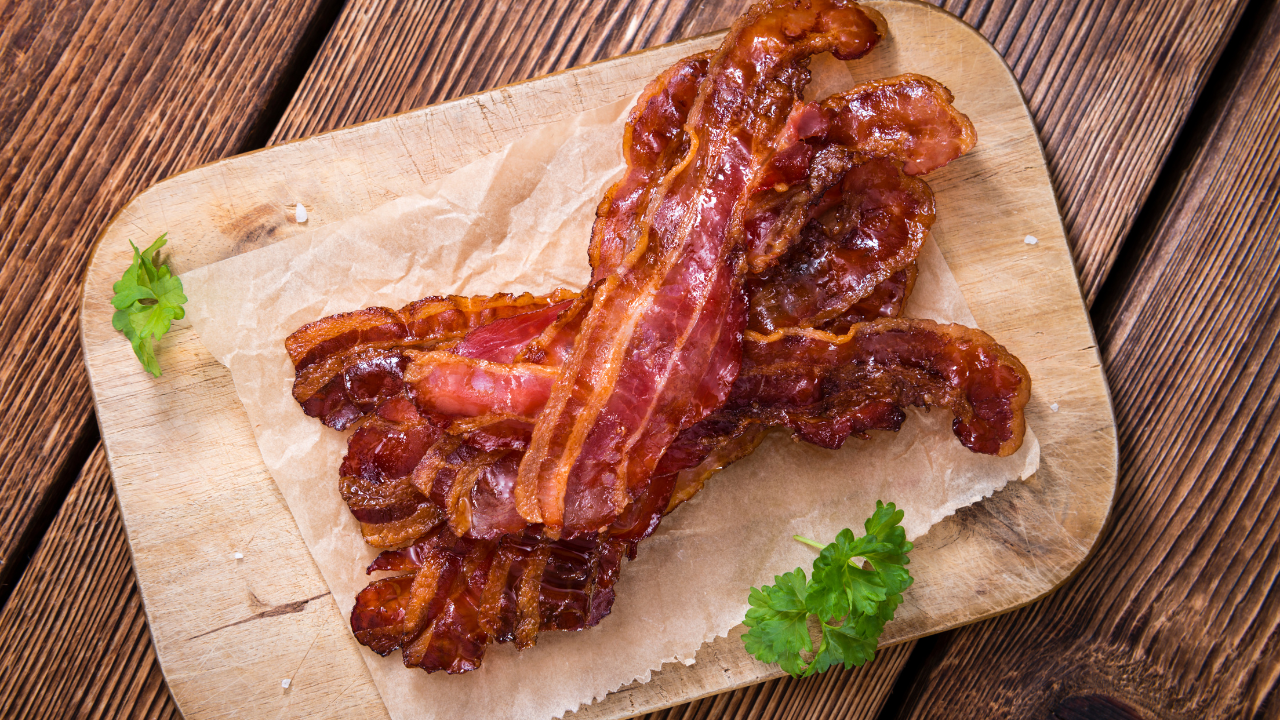
Of course, bacon tops the list in the study for its potent fat scent. Butter, cheese, and red meats follow, loaded with saturated fats that amp up aroma signals. These differ from good fats in avocados or nuts, which lack the same metabolic punch.Not every whiff spells trouble. The effect requires moms eating the scented foods, not just nearby smells. Cooking fatty meals daily during pregnancy or nursing raises exposure through vapors and milk.Human noses also sharpen in pregnancy, making the smell of foods stick out even more. Reviews note women detect odors more keenly, which may heighten this imprinting.
Steps for expectant mothers

Balance meals with fresh produce, lean proteins, and whole grains to mute fatty dominance. Grill fish or chicken over frying. Using herbs can give great flavor without heavy fats.Ventilate kitchens to decrease lingering odors. If cravings push toward takeout, use pregnancy-safe air purifiers. Low-fat options can help limit the amount that transfers into milk if breastfeeding.Track diet with apps, noting fat sources. Pair with walks to support mom’s circulation and baby’s start. No need for extremes, just mindful swaps.
What does it means for family health?
This mouse work warrants human trials, but patterns match known prenatal programming. Early exposures shape lifetime tastes and metabolism, hence an explanation of why some kids chase junk food harder.Doctors may well prescribe odor-conscious eating besides calorie counts soon. For the present, it underlines habits that are subtle. Pregnancy sets a child’s food blueprint, one breath at a time.Families win by modeling varied plates; kids mimic parents, turning small choices into lasting health edges. Fresh starts matter most in those nine months.
About the Author