Many people experience PMS symptoms that interfere with daily routines, from persistent cramps to recurring headaches that intensify before menstruation. As interest grows in nutritional strategies that support hormonal balance, pumpkin seeds have become a food frequently highlighted in conversations around natural PMS relief. Their nutrient profile, combined with emerging research on seed-based dietary patterns, has drawn scientific and public attention. The appeal also lies in their accessibility, since pumpkin seeds can be added easily to a range of meals without significant lifestyle changes. They offer a familiar ingredient that aligns with the search for food-based approaches to reproductive well-being.A systematic review on seed cycling published in Cureus explored how seeds rich in essential fatty acids and micronutrients may contribute to hormonal modulation and symptom changes across the menstrual cycle. Although the research is still developing, the nutritional characteristics of pumpkin seeds continue to attract interest for their potential role in supporting those who experience recurring PMS-linked discomfort.
What pumpkin seeds help with during PMS : From cramps to low energy
Pumpkin seeds are often discussed in relation to PMS because the symptoms they may influence are among the most commonly reported before menstruation. Many individuals describe a cluster of issues that appear predictably each month, which encourages curiosity about nutritional patterns that might reduce the intensity of these discomforts. The seeds contain compounds that are being studied for their potential influence on pain signalling, muscle tension, inflammation and general mood stability, all of which shape the PMS experience. Their mineral density adds another dimension, since deficiencies in certain nutrients have been associated with more pronounced premenstrual discomfort.Pumpkin seeds help with the following:
- Period cramps, which can vary from a steady ache to sharper waves of discomfort linked to uterine muscle contractions.
- Headaches that arise in the days leading up to menstruation, often influenced by hormonal shifts and inflammatory pathways.
- Mood fluctuations that some individuals describe as irritability, tension or heightened emotional sensitivity during the luteal phase.
- Fatigue that becomes more noticeable before bleeding begins, often paired with reduced concentration or lower motivation.
- Water retention that contributes to bloating or a sense of heaviness around the midsection.
- Sleep disruption that appears in the premenstrual window due to shifting neurotransmitter activity.
How pumpkin seeds help during PMS: Key nutrients that support hormonal balance
The potential benefits of pumpkin seeds for PMS symptoms are linked to the nutrients they contain, many of which play roles in hormonal regulation, muscle relaxation and inflammatory control. Their combination of magnesium, zinc, protein and healthy fats creates a nutritional profile that aligns with biological systems affected during the menstrual cycle. Research has long explored the associations between micronutrient levels and PMS severity, prompting an interest in foods that deliver these nutrients in a natural, absorbable form. Pumpkin seeds also offer phytonutrients that influence oxidative stress and cellular equilibrium, which become relevant when the body moves through hormonally active phases.
- Magnesium contributes to muscle relaxation and may lower the intensity of uterine cramping by influencing smooth muscle contraction.
- Zinc plays a part in hormone metabolism, immune function and neurotransmitter stability, which together shape mood and physical symptoms.
- Omega-6 and omega-9 fatty acids support anti-inflammatory processes that can ease headache patterns and reduce discomfort.
- Tryptophan supports serotonin synthesis, which can help stabilise mood and reduce irritability or emotional swings associated with PMS.
- Iron assists in supporting healthy energy levels, especially for individuals prone to low iron stores near the time of menstruation.
- Antioxidants help minimise oxidative stress that increases during hormonal fluctuations and may influence symptom intensity.
When to have pumpkin seeds for maximum PMS support
Timing dietary intake around the menstrual cycle is gaining interest, particularly as more people explore food patterns that align with natural hormonal rhythms. Pumpkin seeds can be included at any point in the month, yet some individuals prefer adjusting their intake according to typical PMS timelines. Consistency appears to matter more than precise timing, although many people choose to increase their consumption during the luteal phase, when cramps, headaches and mood changes tend to appear. This period spans the days between ovulation and menstruation, a window where nutritional support may feel most meaningful to those seeking symptom relief.
- Daily intake across the cycle for ongoing nutrient support and stable mineral levels.
- Increased consumption during the luteal phase to prepare the body for the hormonal shifts leading to PMS symptoms.
- Inclusion in meals when headaches or mood changes begin to surface, allowing nutrients to support neurological and inflammatory pathways.
- Consumption before bedtime for individuals who experience premenstrual sleep disturbances influenced by magnesium levels.
- Regular intake during physically demanding weeks to offset fatigue or heightened tension linked to PMS.
- Incorporation during iron-depleting phases for those who anticipate low energy as menstruation approaches.
How to have pumpkin seeds for effective PMS relief
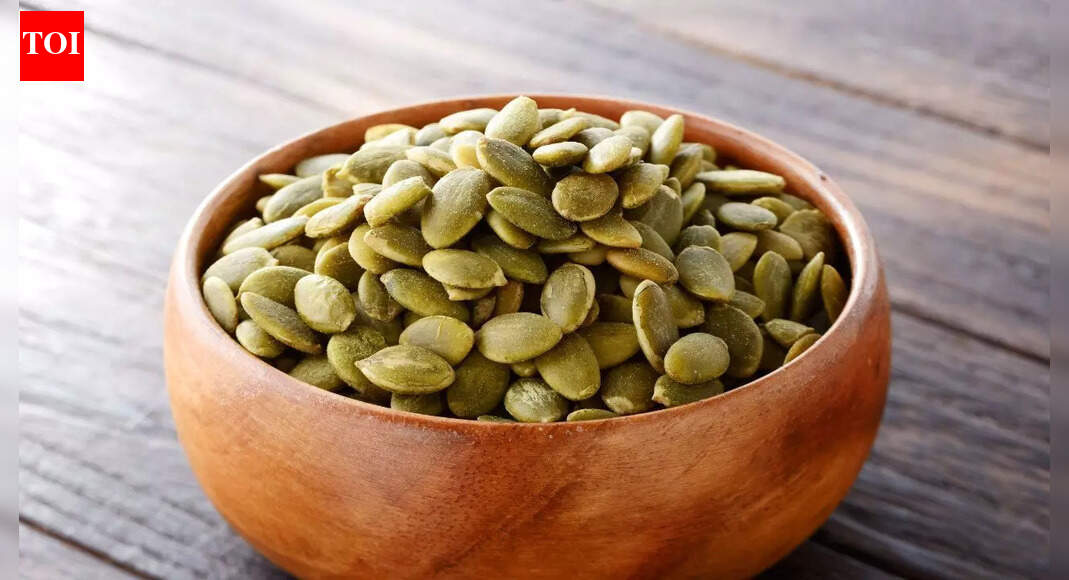
Pumpkin seeds fit easily into both structured and flexible dietary routines, which adds to their appeal as a natural support strategy for PMS. They can be consumed whole, crushed or blended, depending on personal preference and meal patterns. Many people prefer incorporating them into foods they already eat rather than treating them as a supplement-like addition. The versatility of pumpkin seeds allows them to be used in sweet or savoury dishes, meaning they integrate smoothly into varied dietary habits while delivering consistent nutritional value.
- Eating them raw or lightly roasted to preserve their mineral and fatty acid content.
- Adding them to porridge, yoghurt or cereal to improve morning nutrient intake.
- Blending them into smoothies for an easy and accessible daily serving.
- Sprinkling them on salads, soups or rice dishes for additional texture and flavour.
- Mixing them into energy bars or snack balls for portable hormone-friendly nourishment.
- Grinding them into a fine powder to incorporate into baking or homemade spreads.
Disclaimer: This article is for general informational purposes only and is not a substitute for professional medical advice, diagnosis, or treatment. Always seek the guidance of a qualified healthcare provider regarding any medical condition or lifestyle change.Also Read | Why Indians tend to eat more salt: How it harms you and which Indian foods to avoid
About the Author