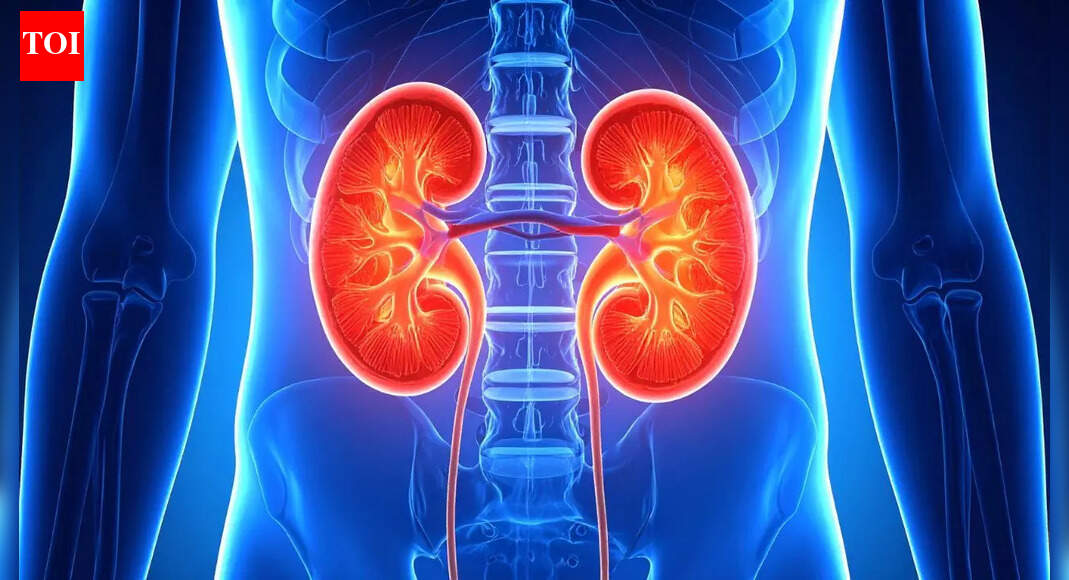
Kidney disease has long been considered a progressive and irreversible condition, where treatment focuses only on slowing decline rather than restoring lost function. However, a promising scientific discovery challenges that belief. Researchers have identified a potential way to reverse kidney damage by blocking the activity of ceramides, a type of fat molecule linked to cellular injury inside the kidney. In animal trials, targeting ceramides protected kidney cells from damage entirely and allowed renal function to return to normal. If future studies confirm similar results in humans, this breakthrough could transform how kidney disease is treated and provide new hope for millions of patients worldwide.A peer-reviewed study published in JCI Insight investigated the role of ceramides in acute kidney injury. The researchers demonstrated that suppressing ceramide production in mice preserved mitochondrial function in kidney cells and prevented injury. They reported significantly improved kidney structure and function in treated animals.
How the potential to reverse kidney damage could change future treatment
The role of ceramides in kidney injury
Ceramides are lipid molecules that rise sharply in kidney tissue when the organs are under stress. High ceramide levels interfere with mitochondrial function inside kidney cells. Mitochondria provide the energy cells need to survive and recover, so once they fail, cells begin to die. This leads to inflammation, scarring and long-term loss of kidney function. Researchers believe that stopping ceramide accumulation may prevent early injury from becoming permanent damage.
Protecting kidney cells by reducing ceramides
In the recent animal study, scientists treated mice with a compound that reduced ceramide production before inducing acute kidney injury. The treated mice maintained healthy mitochondrial function and experienced no significant loss of kidney performance. In contrast, untreated mice developed severe damage typical of acute kidney injury. This suggests that kidney cells may be able to recover if they are protected at the cellular level.
Why this matters for patient care
If treatments based on ceramide control can be proven safe and effective in humans, the implications are significant. Instead of waiting for damage to accumulate and eventually relying on dialysis or transplantation, patients may one day receive targeted therapy to restore healthy kidney function shortly after injury. This could dramatically change clinical outcomes for individuals affected by sudden kidney failure caused by infection, surgery complications or medication side effects.
What reversing kidney damage could mean for patients
- Hope for recovery after acute kidney injury rather than long-term decline
- Less progression to
chronic kidney disease and fewer cases of end-stage kidney failure - Reduced need for dialysis or kidney transplantation
- Improved quality of life and reduced healthcare burden
- Earlier intervention guided by future biomarkers, like urinary ceramide levels
Why caution and further research are essential
Although results are promising, research is still in early stages. The treatment has only been tested in mice, and human kidneys may respond differently. The studies also examined injury prevention rather than full reversal of long-standing kidney damage. Clinical trials will need to confirm safety, dosage, and effectiveness in humans, and it remains unclear how well this method might work for chronic kidney disease with established scarring.
What scientists plan to explore next
Research groups are now preparing to test ceramide-targeting drugs in human cell models and, later, early-stage clinical trials. Scientists are also exploring whether combining metabolic therapies, cell regeneration strategies, and anti-fibrosis treatments could enhance kidney repair even further. Another focus is the development of early detection tools, so patients receive support before irreversible scarring forms.The discovery that kidney function can be restored in animal studies challenges one of the longest-held assumptions in nephrology. If researchers succeed in translating these findings to human treatment, the future of kidney care may shift from slowing damage to restoring health. Though there is a long road ahead, the progress already achieved marks an important step toward a future where kidney damage does not have to be permanent.Disclaimer: This content is intended purely for informational use and is not a substitute for professional medical, nutritional or scientific advice. Always seek support from certified professionals for personalised recommendations.Also read| Your poop is more valuable than you think: Why stool donors are in demand and how it can save lives
About the Author