
If your knees click every time you climb the stairs or stand up from the floor, you are not alone. For many people, that small sound can trigger a big worry. Is this the start of arthritis? Is something tearing inside the joint? The reassuring news is that knee noise is very common, and in many cases, it is simply part of how a healthy joint moves. At the same time, there are situations where that sound can be a red flag that deserves attention.The knee is a busy place: bones, cartilage, ligaments, tendons, and muscles all slide and glide over one another so that you can walk, sit, squat, and run. When everything’s going smoothly, you barely notice your knees. But when something feels off, or starts to make noise, it’s suddenly impossible to ignore.
The harmless side of pops and clicks

A lot of everyday clicking is completely normal. The knee joint is filled with a lubricating fluid that contains dissolved gases. As you bend and straighten your knee, pressure shifts inside the joint, and tiny bubbles can form and then quickly collapse. That creates a brief popping or clicking sound, similar to what happens when you crack your knuckles. There is no damage to the joint in that moment, and no long-term harm.Soft tissues can add their own soundtrack. Sometimes as you change position, tendons and ligaments move over small bony bumps. Moving from one side of the bump to the other, they may click or snap. If your knees only make noise occasionally, do not swell, and do not hurt, that sound is usually just the background noise of movement.When alignment and muscle balance play a role
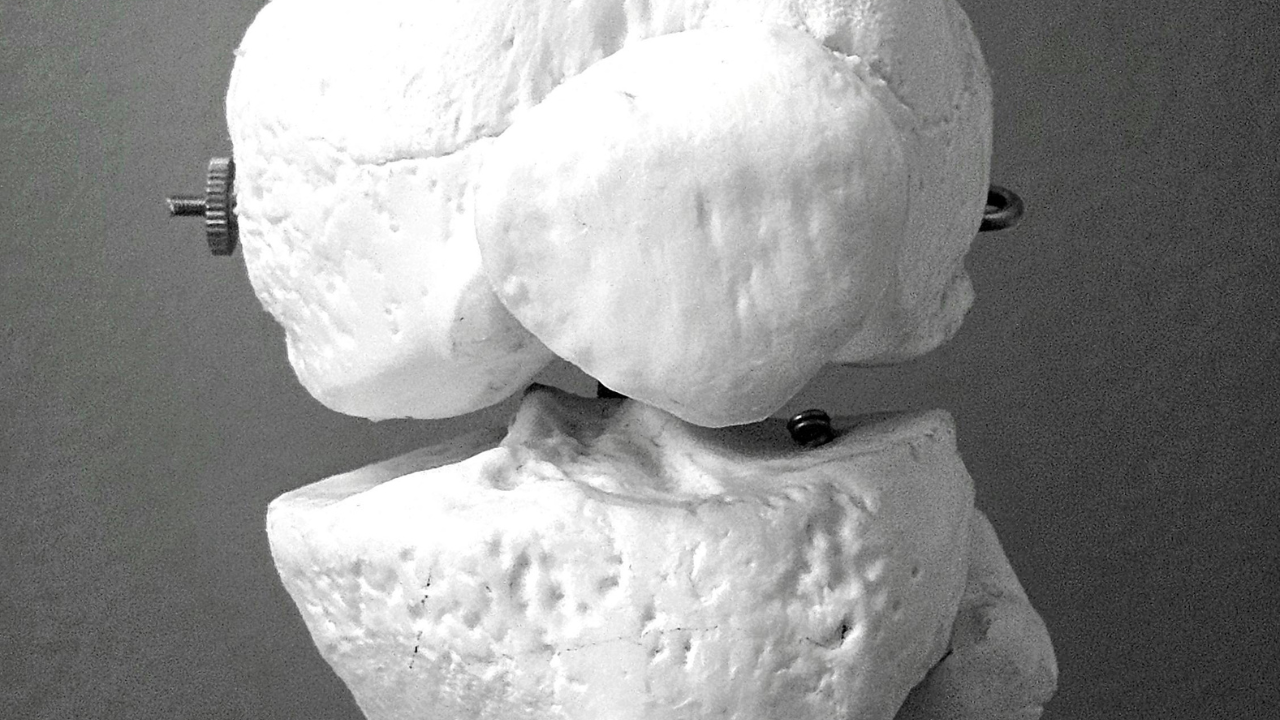
According to the American Academy of Orthopedic Surgeons, sometimes clicking is a sign that your muscles and movement patterns need a little fine tuning. When the quadriceps, hamstrings or hip muscles are weak or tight, the kneecap might not glide along its groove as it should. The result may be a grinding or clicking sensation with stairs, squatting, or rising from a chair. This pattern is common in runners, people who sit for long hours and anyone who has recently changed their activity level.The good news is that such clicking tends to respond positively to simple measures. Strengthening the muscles on the front of the thigh and around the hips, working on your flexibility, and gradually increasing your activity usually enhances how your kneecap tracks. Many people note that their knees are quieter when the surrounding muscles are stronger and better balanced. A physiotherapist can direct you toward exercises that suit your body and goals.
When clicking is a warning sign
Clicking combined with pain, swelling or a sense that the knee is catching should not be ignored. In some cases, it can signal a meniscus tear. The meniscus is the C shaped cartilage that cushions the joint. When it tears, people often describe a sharp click or pop at the time of the injury, followed by locking, buckling, or pain when squatting or twisting.Arthritis, particularly among aging individuals, is another frequent cause of noisy knees. As the smooth cartilage breaks down, joint surfaces may rub more roughly on each other. This can cause a creaky, Velcro like sound called crepitus, with stiffness, aching and sometimes warmth or swelling. Ligament injuries, tendon tears, loose pieces of cartilage, iliotibial band friction and conditions such as plica syndrome may also surface in clicking with pain or instability, and are more likely post a fall, a sports injury, or when a sudden twist occurs.
When to see a doctor
A simple way to think about it is to watch what comes with the sound. Clicking on its own, without discomfort or loss of motion, can usually be observed and managed with healthy habits. Clicking with any of the following is a reason to check in with a doctor or physiotherapist:Sudden pop at the time of an injuryPain, swelling, warmth or rednessLocking, catching or a feeling that something is stuck inside the kneeTrouble fully straightening or bending the knee, A feeling of the knee giving way when you walk or turn Orthopaedic guidelines recommend early assessment in these situations, especially after a fall or sports injury. Treatment can vary from rest, ice, and physiotherapy to medication or, in some situations, surgery, depending on the findings. Listening to your knees with less fear. Noisy knees may be annoying, but they can also be useful information. If your knees click but don’t hurt, consider this sign a reminder to care for the joint you depend on daily. Consistent low-impact movement, strength training in legs and hips, a healthy body weight, and supportive shoes can all help your knees age more gracefully. If your knees click and complain at the same time, that’s your cue to slow down, pay attention, and ask for help. A timely evaluation can protect your joint in the long run. Many times, all it takes is a personalized exercise plan and minor lifestyle adjustments to quiet the noise and restore confidence in every step.
About the Author