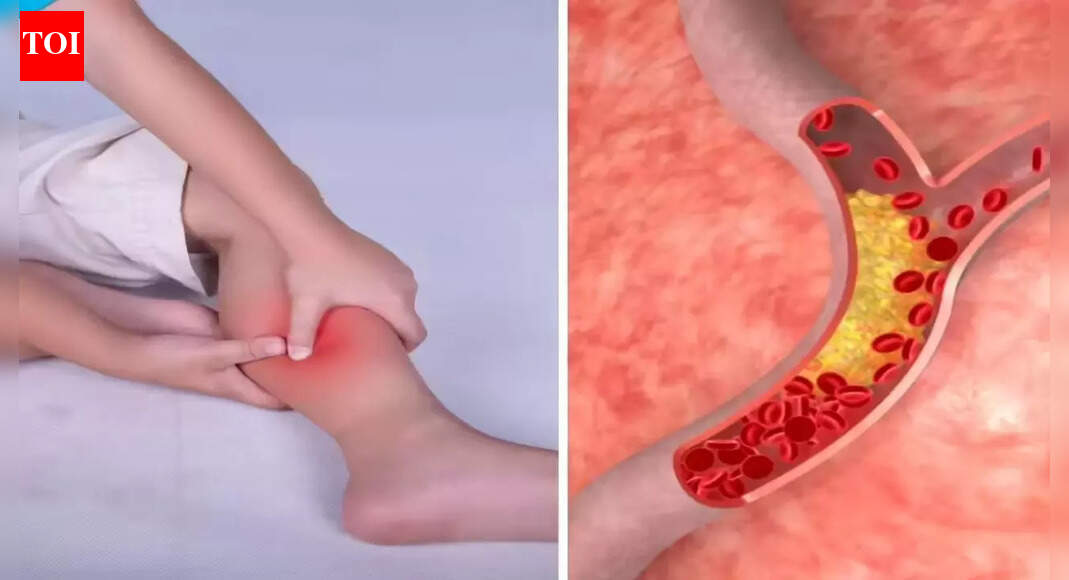
Cholesterol is a waxy, fatty substance that is vital for many of the body’s functions. It is a key component in the structure of cell membranes, a precursor for hormone production, and necessary for digesting fats. Cholesterol is carried in the bloodstream by lipoproteins, mainly High-Density Lipoprotein (HDL), often called “good cholesterol,” and Low-Density Lipoprotein (LDL), or “bad cholesterol.”While HDL helps remove excess cholesterol from the arteries, LDL can accumulate along the arterial walls, forming plaques. Over time, these plaques narrow and stiffen the arteries, a condition known as atherosclerosis. This restricts blood flow and can increase the risk of heart disease, heart attacks, strokes, and peripheral artery disease.High cholesterol can affect the body in subtle ways, and the legs are often among the first areas to exhibit signs, especially during periods of rest at night. The following are five major symptoms that may indicate excessive LDL levels.
5 warning symptoms of high cholesterol in legs at night
High LDL cholesterol can have a silent effect on the legs, with symptoms often becoming noticeable at night. Pain, numbness, coldness, swelling, skin changes, and restless legs are all warning signs that should not be ignored. Early recognition and intervention can reduce the risk of serious cardiovascular complications. Regular cholesterol monitoring, maintaining a balanced diet, exercising regularly, and consulting healthcare professionals are essential steps for preventing and managing high cholesterol.
- Pain and discomfort in the legs
One of the most common signs of high LDL cholesterol in the legs is pain or cramping at night. These nocturnal leg cramps often occur in the calves, thighs, or feet and can wake a person from sleep.The underlying cause is reduced blood flow due to the narrowing of arteries caused by cholesterol plaques. Muscles require a constant supply of oxygen-rich blood to function properly. When circulation is impaired, the muscles may contract involuntarily, causing sharp pain or cramps. People experiencing frequent nighttime leg cramps should consider having their cholesterol levels checked, as this may indicate early peripheral artery disease or other cardiovascular issues.
- Numbness and tingling sensations
Another symptom of high LDL cholesterol is a tingling or numb sensation in the legs, often noticed when lying down or resting at night.This occurs because high cholesterol can contribute to peripheral artery disease, reducing the amount of oxygen and nutrients reaching the extremities. Nerve endings are particularly sensitive to oxygen deprivation, resulting in sensations such as prickling, tingling, or a “pins and needles” feeling. Persistent numbness or tingling should not be ignored, as it may indicate that blood circulation to the legs is significantly impaired.Coldness in the legs and feet is a sign of poor circulation, which can be linked to high LDL cholesterol. Even in a warm environment, the extremities may feel cold if blood flow is restricted.When arteries are clogged with plaque, blood struggles to reach the lower limbs efficiently. Reduced circulation can cause the legs and feet to feel cold, numb, or even painful. Over time, inadequate blood supply may affect skin health, increase the risk of ulcers, and contribute to other vascular problems. Experiencing chronic coldness in the legs is a warning to monitor cardiovascular health and consult a medical professional.Swelling in the legs, also known as edema, can be another consequence of high cholesterol. Edema occurs when fluid accumulates in the tissues due to poor circulation and increased pressure in blood vessels.High LDL cholesterol contributes to the formation of plaques in arteries, which restricts normal blood flow. As a result, fluid may leak into surrounding tissues, causing swelling that is often more noticeable at night or after prolonged periods of sitting or standing. Swelling may be accompanied by discomfort, heaviness, or tightness in the legs. Persistent or unexplained leg swelling requires evaluation by a healthcare provider to rule out underlying cardiovascular or kidney conditions.
- Skin discoloration and dark spots
High LDL levels can also manifest visibly on the skin of the legs and feet. Discolouration, dark spots, or a bluish-purple hue may appear due to reduced oxygen supply to the tissues.Cholesterol plaques in arteries restrict blood flow, depriving the skin and underlying tissue of vital nutrients. Over time, this can lead to visible changes in skin colour, dryness, or slow-healing sores. These changes are more noticeable at night when blood circulation naturally slows. Noticing such symptoms should prompt an assessment of vascular health and cholesterol levels to prevent further complications.Restless Legs Syndrome (RLS) is characterised by an uncontrollable urge to move the legs, often accompanied by discomfort or tingling sensations.High LDL cholesterol can exacerbate RLS symptoms by reducing blood flow to the lower extremities. People with RLS may experience intense discomfort when lying down, making it difficult to fall asleep or stay asleep. Movement temporarily relieves symptoms, but the underlying cause poor circulation and high cholesterol remains. Addressing cholesterol levels, along with lifestyle modifications, may help improve RLS symptoms and promote better sleep quality.
Practical tips to manage ‘bad cholesterol’ and protect leg health
Monitor Cholesterol Levels Regularly: Routine blood tests can detect elevated LDL early, allowing timely intervention.
- Adopt a heart-healthy diet: Focus on fibre-rich foods, fruits, vegetables, whole grains, and lean proteins while limiting saturated fats and trans fats.
- Exercise consistently: Moderate aerobic exercise, such as walking, swimming, or cycling, can improve circulation and support healthy cholesterol levels.
- Maintain a healthy weight: Excess weight can contribute to higher LDL and reduce circulation to the extremities.
- Avoid smoking and limit alcohol: Both habits negatively affect blood vessels and can worsen cholesterol-related complications.
- Seek medical advice promptly: Persistent leg pain, numbness, swelling, or skin changes should be evaluated by a healthcare professional. Early intervention can prevent serious cardiovascular issues.
By paying attention to leg pain, numbness, coldness, swelling, and skin changes, especially at night, individuals can take proactive steps to manage cholesterol and protect overall cardiovascular health. Early recognition of these subtle signals from the body can make a significant difference in long-term wellbeing.Also Read | Winter’s deadliest threat! Cold weather may trigger a heart attack; know how to stay safe during the chill
About the Author