A lot of people undergo constipation on a daily basis, and if not treated, it can lead to piles, also known as hemorrhoids. On the other hand, a fissure is a small tear in the lining of the anus, that can cause extreme pain during bowel movements, and even blood on the toilet paper. Most fissures usually heal on their own with a high-fiber diet, enough fluids, and warm baths, while others may require medication or surgery. The two conditions, though not usually dangerous, can be extremely painful and uncomfortable, and can throw life completely out of gear.
Dr Akshat Chadha, in a recent video on IG, recommended 15 tips to manage piles, hemorrhoids, and fissures, while adding, “although the medical management of piles, hemorrhoids is different from, fissures, lifestyle measures are almost all same…”Take a look1) Keep your stools soft and keep them moving: Avoid multiple stools and loose motions too2) Relax the mind-gut connect3) Indulge in light, regular exercise4) Add enough fibre to your meals, especially in soups, and cooked vegetables5) Add enough ghee and oil to your meals (but don’t go overboard)6) Do not overdo protein, or underdo carbs7) Include a glass of jeera water, saunf water or ghee water once a day8) Add 2 fruits everyday, apart from your main meals9) Add 6-8 raisins to your meal, or 2-3 prunes10) Drink 2-3 litres of water everyday, but most of it in the first half. Out of this, 2-3 cups should be warm water (not hot)11) Apply apply coconut oil to the anus before and after passing stools. 12) Take a sitz bath 2-3 times a day, with warm/ cold water, and Epsom salt – talk to your doctor for more. 13) Sit on a donut pillow, especially during working, and traveling, but avoid sitting for long either way.14) Be careful with jet spray pressure and use wet toilet paper to avoid rubbing. 15) Use the prescribed ointment and medication as instructed.More tips from Dr. ChadhaThe bottomline is that if the stools aren’t hard, and can be passed with little or no strain, then it’s easier to recover from piles or fissures as friction and inflammation can be reduced.For this to happen, consume enough fibre (but not excess fibre, especially raw, that can cause more farting which can cause more trouble), enough water, enough ghee or oil, good fats, and enough carbs too. Carbs help to form bulk of the stools, and oil or ghee along with water, can keep the stools soft.
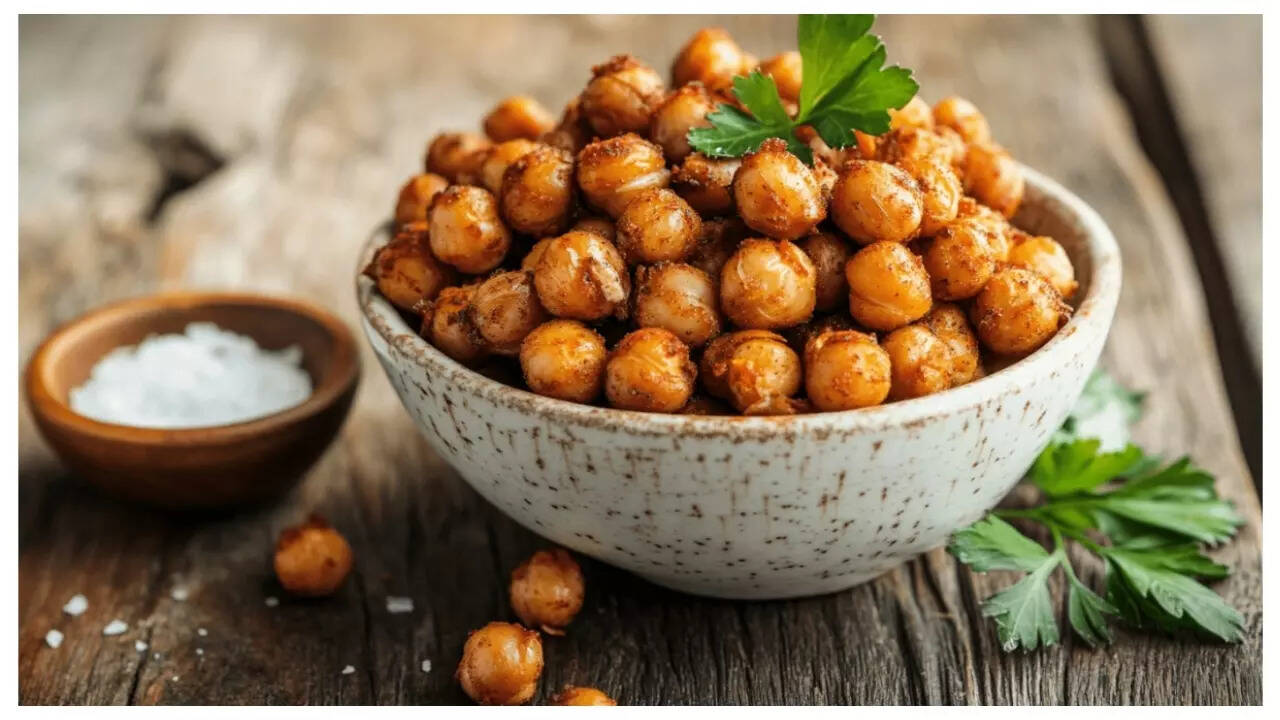
Many times, especially for fissure, the issue is due to a tight anal sphincter more than anything else, so that needs to be assessed by the doctor.If you want to generally prevent piles or fissure, then get rid of chronic constipation, and do not over-strain (sometimes in an endeavour to feel complete evacuation), and do not spend hours on the commode with your phones or books!
About the Author