

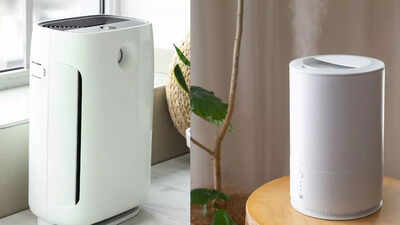
Winter often brings two uncomfortable indoor problems at the same time: dry air and rising pollution levels. Low humidity caused by cold temperatures and indoor heating can lead to cracked skin, dry throat, irritated eyes and disrupted sleep. At the same time, pollution and dust become trapped indoors because windows stay closed for warmth, causing breathing discomfort, allergies and lingering odours. For many households, the question arises: should you buy a humidifier, an air purifier, or both? With so many health and comfort claims surrounding indoor air products, it can be hard to know which device will actually make a difference. Understanding the roles of each machine helps determine whether they work best separately or together during winter.A peer-reviewed study published in the journal Environmental Health found that maintaining indoor humidity between 40 per cent and 60 per cent reduces the survival of airborne viruses and irritation of the respiratory tract. Meanwhile, air quality experts note that humidifiers do not remove pollutants or particulate matter such as PM2.5 or dust, which must be filtered using an air purifier. The two devices address different aspects of indoor discomfort and are therefore not interchangeable.
Why is a humidifier important during winter dryness
Humidifiers add moisture to indoor air when humidity levels drop during cold months. Heating systems, closed windows and dry winds all reduce natural moisture indoors, often causing humidity to fall below 30 per cent when comfort usually sits between 40 and 50 per cent. Low humidity can lead to:
- Dry skin and cracked lips
- Sore throat and blocked nose
- Static electricity
- Increased snoring and sleep discomfort
- Irritated airways, especially for children and older adults
A humidifier improves comfort by restoring moisture balance, easing breathing and reducing irritation. It can also protect wooden furniture, flooring and musical instruments from warping due to dryness. However, a humidifier does not clean the air. It only manages moisture levels and may even worsen air quality if used incorrectly or without cleaning.
Why is an air purifier necessary for winter pollution
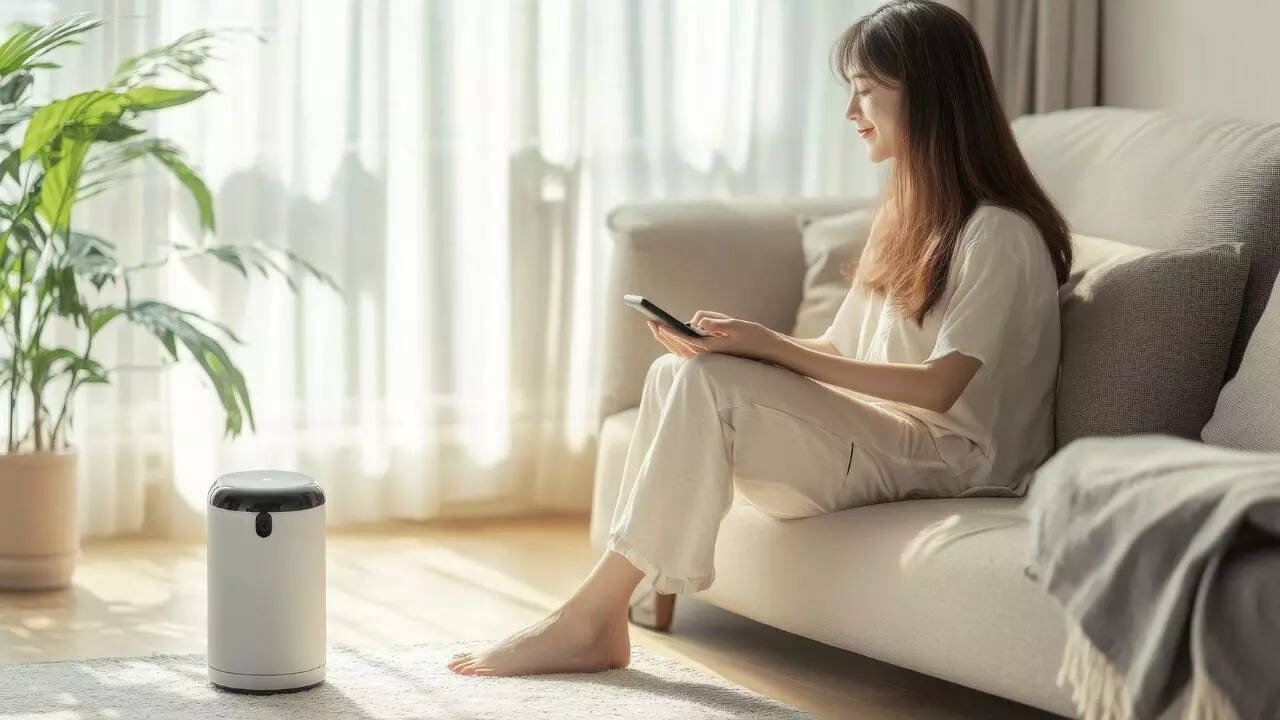
An air purifier removes harmful particles such as:
- Dust and pet dander
- Pollen and mould spores
- Smoke and chemical pollutants
- Fine particulate matter PM2.5
Cities that experience severe winter pollution from vehicle emissions, industrial activity and smoke require additional protection indoors. Air purifiers with HEPA filtration significantly reduce particulate pollutants and help people with asthma and allergies breathe more comfortably. Unlike humidifiers, purifiers improve indoor hygiene rather than comfort.However, an air purifier does not resolve dryness symptoms. Clean air can still feel unpleasantly dry without moisture.
Do you need a humidifier and air purifier together for this winter’s dryness and pollution
Using both devices together is beneficial in many homes, especially when winter is both dry and polluted. The humidifier restores moisture to relieve discomfort while the purifier cleans the air of pollutants that irritate the lungs. For households with children, elderly members, or respiratory conditions, this combination can improve overall indoor health and comfort.You may need both if:
- Pollution levels are high outside
- You use indoor heating for long periods
- You experience irritation, coughing or dry throat at night
- You suffer from allergies or asthma
- Laundry dries indoors and increases dust and dampnes
For homes in low pollution areas, or if indoor air already has good humidity, one device may be enough.
How to use a humidifier and air purifier together correctly
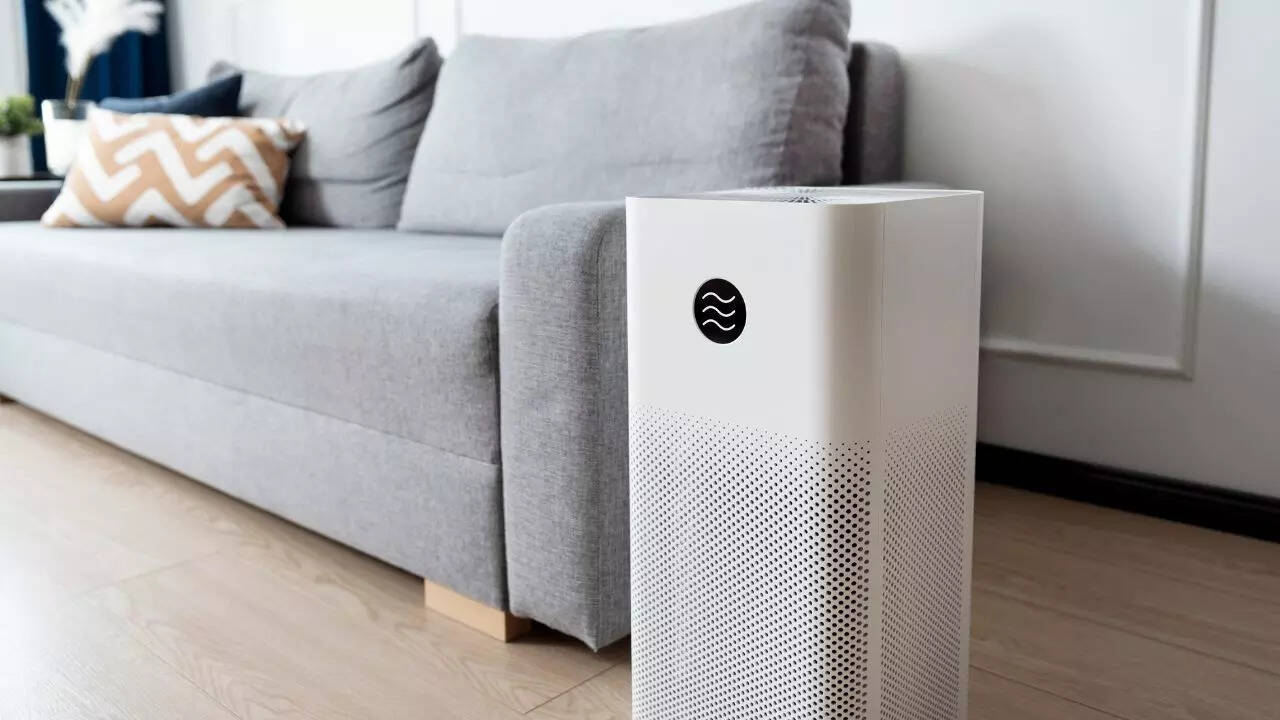
- Keep the devices several feet apart so mist does not enter the purifier filter
- Monitor humidity with a hygrometer to avoid excess moisture
- Clean the humidifier tank regularly to prevent mould or mineral buildup
- Replace purifier filters on schedule for maximum efficiency
- Aim for 40 to 50 per cent humidity indoors
When used responsibly, both machines complement each other rather than compete.Whether you need both devices depends on your environment. A humidifier helps with dryness and comfort. An air purifier protects from pollution and allergens. During winter, when dryness and pollution rise together, using a humidifier and air purifier together creates a healthier, more comfortable home. Understanding what each device does ensures you choose what your space truly needs.Also read| Laundry taking too long to dry? Try this aluminium foil hack for fresher, faster-drying laundry
About the Author