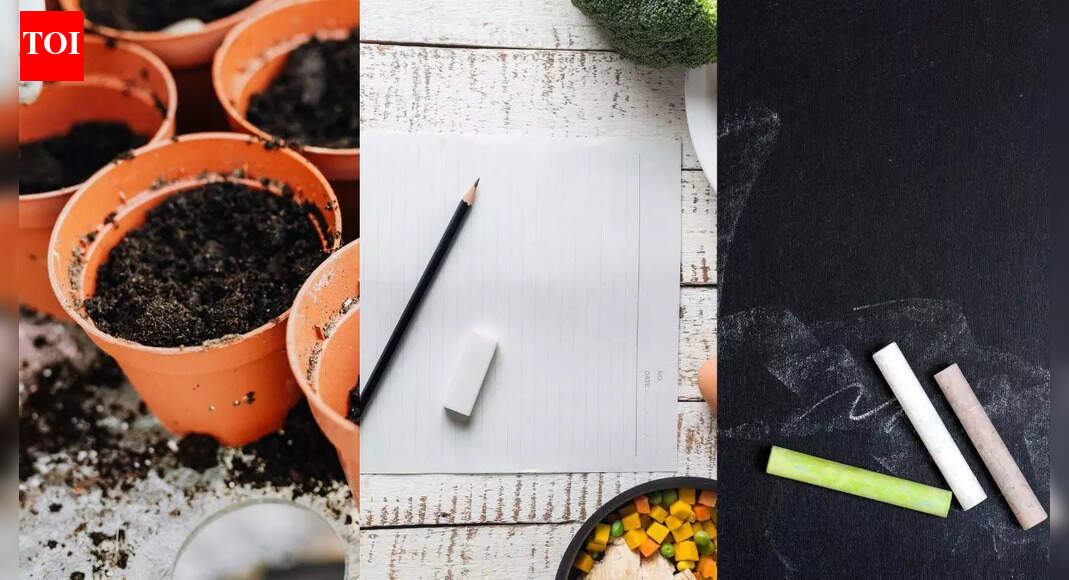

A quiet but clinically recognised eating disorder often hides in plain sight, emerging through behaviours that may seem unusual yet not immediately alarming. Pica involves the repeated consumption of non-food substances, a pattern that can develop slowly and remain unnoticed for long periods. Many individuals who experience these urges conceal them or minimise the behaviour, which means the condition rarely comes to attention until health complications appear. As clinicians and researchers highlight the wider role of nutritional deficiencies, mental health patterns and environmental influences in shaping these behaviours, understanding Pica has become increasingly important. Its subtle presentation and broad range of triggers make early recognition essential for preventing the disorder from progressing unnoticed.
What is Pica and how it affects you
Pica is described as a persistent urge to consume substances that hold no nutritional value, a pattern that must continue for at least a month and occur outside of culturally accepted practices. According to the NCBI Clinical Methods chapter on Pica, the disorder appears across various age groups but is especially associated with children, pregnant women and individuals with developmental or psychological conditions. The items consumed vary widely and may include soil, clay, paper, ice, chalk or hair. Although the behaviours may resemble childhood curiosity or habitual chewing, Pica is defined by the compulsive drive to ingest these materials rather than simply explore them.
Recognising the symptoms of Pica
Many symptoms associated with Pica arise indirectly through the effects of ingesting non-food substances. These behaviours often progress quietly, and some individuals do not realise that their cravings reflect a recognised disorder. A person may attempt to hide or rationalise the habit, which delays identification and intervention.Common symptoms include: • Repeated consumption of non-food items such as dirt, paper, ice, starch, chalk or hair • Persistent cravings for specific textures or materials • Digestive discomfort, constipation, abdominal pain or unexplained gastrointestinal issues • Signs of nutrient deficiency, such as fatigue, pale skin or brittle nails • Dental damage or unusual wear on teeth • Evidence of poisoning or toxic exposure depending on the substances ingested • Compulsive behaviour patterns linked to ingestion habits
Causes and contributing factors linked to Pica
Pica does not arise from a single cause. Instead, it reflects an interplay of nutritional, psychological and environmental influences. Some individuals develop Pica in response to micronutrient deficiencies, particularly iron deficiency and occasionally zinc deficiency. For others, the behaviour appears in the context of developmental conditions, psychological stress or limited access to adequate nutrition. Cultural customs can occasionally involve ingestion of non-food substances, but these practices are separate from clinically defined Pica. In many cases, the exact trigger remains unclear, which contributes to the difficulty in tracking the condition’s true prevalence.Potential causes include: • Iron deficiency, which may trigger cravings for substances such as ice, clay or starch • Zinc deficiency affecting appetite regulation or taste perception • Pregnancy related changes in nutrition, appetite or sensory processing • Autism spectrum disorders or intellectual disability, where repetitive behaviours may occur • Stress, trauma or underlying mental health conditions • Food insecurity or limited nutritional access that shapes unusual eating patterns • Habitual behaviour that evolves into compulsion over time
Why pica often remains undetected
Pica frequently remains hidden for long periods because the behaviours involved are easy to misinterpret, dismiss or overlook. Children may be viewed as simply curious or engaging in typical developmental exploration. Adults who experience cravings may feel embarrassed or uncertain about how to describe their behaviour. Individuals with developmental conditions may be unable to communicate what they ingest or why. In many cases, families and healthcare professionals become aware of Pica only after medical complications develop, such as infection, gastrointestinal obstruction or nutrient imbalance. Since there is no single diagnostic test and the disorder depends heavily on disclosure, early detection can be difficult unless someone recognises the behavioural cues.Early signs that may be missed: • Quiet or secretive ingestion of non-food items • Frequent chewing on non-edible materials • Unexplained digestive discomfort or repeated constipation • Strong preference for specific textures rather than flavours • Recurring cravings that persist despite attempts to stop • Noticeable disappearance of household items such as paper, chalk or soil from potted plants
What to do and how to manage Pica
Management of Pica requires a combination of medical assessment, behavioural strategies and environmental support. Because the condition may indicate underlying deficiencies or exposure risks, consulting a healthcare professional is essential whenever cravings persist or ingestion becomes regular. A clinician can evaluate nutritional status, screen for iron or zinc deficiency and assess any complications related to ingestion. Treatment often becomes more effective when both the physical and behavioural components are addressed together. Families, caregivers and educators can play an important role in creating safe environments and monitoring signs without judgement. Offering supportive conversation and professional guidance helps reduce stigma and encourages earlier intervention.Practical steps and management tips include: • Seeking medical evaluation to test for iron deficiency, anaemia or other underlying issues • Discussing persistent cravings with a doctor, particularly if they involve harmful substances • Using behavioural therapy to help reduce compulsive ingestion patterns • Removing or limiting access to non-food items known to trigger cravings • Introducing structured meal patterns to stabilise appetite and nutrient intake • Following treatment plans that address both nutritional and behavioural aspects • Contacting emergency services if poisoning, choking or severe abdominal pain occurs • Consulting a paediatrician promptly if a child repeatedly ingests non-food objects • Monitoring symptoms over time to ensure improvement and prevent recurrenceDisclaimer: This article is for general informational purposes only and is not a substitute for professional medical advice, diagnosis, or treatment. Always seek the guidance of a qualified healthcare provider regarding any medical condition or lifestyle change.Also Read | Can creatine improve brain energy in perimenopausal and menopausal women; study reveals
About the Author