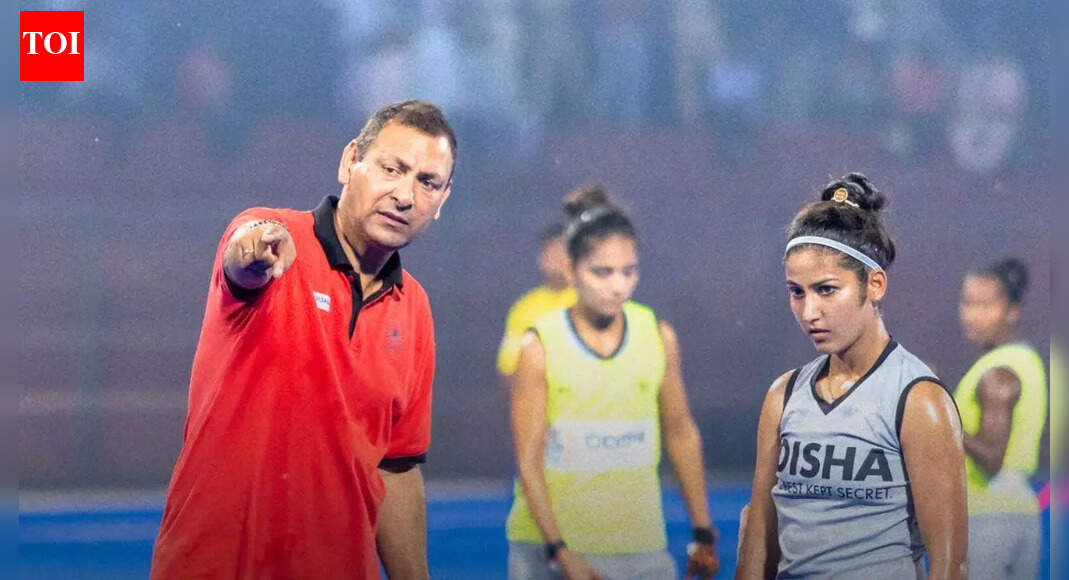
CHENNAI: The Hindi film blockbuster ‘Chak De! India’ may have been fiction, but the fractures within Indian women’s hockey team that it depicted, were rooted in uncomfortable truths that the sport continues to grapple with even today. Groupism, internal rivalries, and regional divides remain subjects spoken of in whispers, emerging into the open only when the team hits a crisis. The situation has arisen again for the senior Indian women’s team.Harendra Singh, the head coach for the past year and a half, resigned on Monday, citing personal reasons. But his exit comes amid simmering allegations of high-handedness and favouritism from within the squad.In two separate letters addressed to Hockey India — purportedly written by eight players, most of them seniors — the athletes allege a breakdown of trust inside the camp. According to the letters, accessed by TOI, the players accuse captain Salima Tete and her deputy Navneet Kaur of siding with Harendra to safeguard their positions in the team.“The conversations we have among ourselves in the hostel are passed on to the coach by the female staff and the captain/vice-captain, which damages our team unity,” the players write, describing an environment where suspicion has replaced camaraderie.The letters also highlight a regional divide within the squad, with explicit reference to the state the captain hails from.“Our captain is from Jharkhand, and she does not have leadership qualities. She misused her position and threatens players, saying: ‘Do you want to be in the next camp or not? I am the captain, I can do anything.’”Tensions within the leadership group also find mention.“Our captain and vice-captain do not work together and when we brought up the issues with them, they still favoured the coach because they want to keep their captaincy.”The most alarming line, perhaps, is this: “The team environment has become so bad that we do not want to come to the national camp.”Noted sports psychologist Dr. Chaitanya Sridhar, who has worked extensively with national teams, says the system itself is flawed. “Our ecosystem is not built on capacity or interpersonal relationships; it’s built on performance,” she told TOI.She admits that regionalism remains a major stumbling block.“Most players come from backgrounds with limited exposure. So, when they enter a national setup, they begin to classify themselves by region. This creates insecurity, unhealthy competition, and poor team dynamics. They lack a sense of connection.”According to Dr Sridhar, structural reforms — not band-aid solutions — are needed.“In team sport, you must focus on individuals and their well-being. Authorities need to monitor whether players are functioning as a cohesive unit. A well-being coach or specialised coach is essential. And for women’s teams, qualified female coaches and managers who understand the players and support them are absolutely vital.”But this is not the first time Indian women’s hockey has stared at internal chaos. It’s been a common occurrence for decades. After the 2010 Commonwealth Games, where India women finished fourth, a support staff member submitted a detailed report on the fractured team environment. The findings were never made public — quietly shelved like so many truths.More than a decade later, the sport stands at a similar crossroads. Unless Hockey India confronts the crisis head-on, the fractures risk widening — pushing the team back into the shadows at a time when it can least afford the slide.
About the Author