
When it comes to exercise, walking and jumping are two popular forms, especially for women. Women often see greater health gains from exercise than men, even with less time or effort. A large study of over 400,000 adults found women reduce death risk by 24% with moderate activity like walking, compared to 18% for men. Jumping, as a vigorous move like rope skipping, offers similar benefits in shorter bursts. Both build heart health, bone strength, and mood, but suit different needs after 40 when metabolism slows and joints need care. Let’s see how…Benefits of walking for womenWalking as an exercise, can help people lose weight, while building heart health and reducing their chances of developing diabetes, stroke and cancer. Daily walks at brisk speeds of 30 minutes, help women develop better cardiovascular health, while increasing their energy levels without causing any harm to their joints. Women obtain better health benefits from walking, because they achieve an 18% lower death risk through 140 minutes of walking per week, which is half the amount needed by men.

Walking helps women develop stronger bones in their hips and spine, which protects them from osteoporosis, during postmenopausal years. Research indicates that regular walking leads to better balance, reduced falls, and improved mood because of endorphin release. The addition of faster walking intervals, will help you lose more weight, while building your endurance levels.Walking serves as an excellent exercise for busy women because it requires no equipment, while helping them control their blood pressure and maintain their weight.Benefits of jumping for womenThe high-intensity exercise of jumping rope or plyometric jumps, creates rapid heart rate increases, which result in calorie burning at twice the rate of walking, during shorter periods. Women who perform jumping exercises for 57 minutes weekly, achieve a 19% lower death risk than men, who need 110 minutes of vigorous activity. The exercise method produces better bone density development than walking, because it applies positive stress to the body.
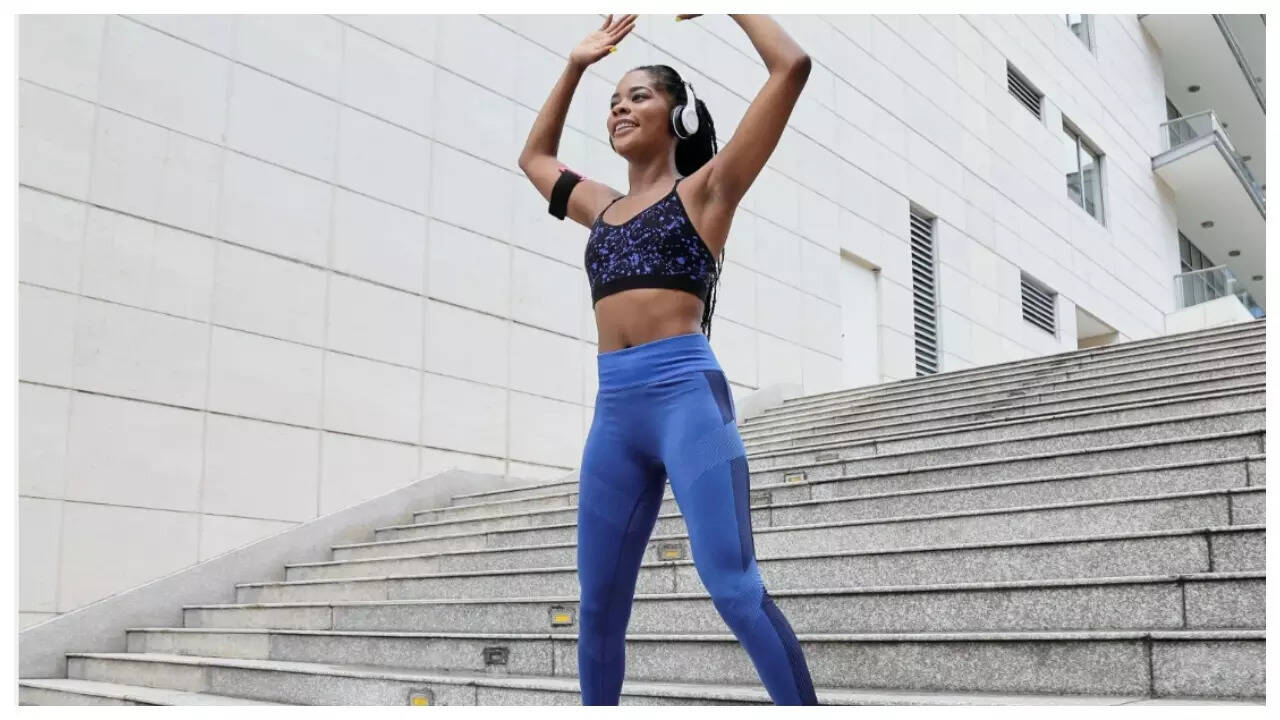
The high-impact exercise of jumping rope and plyometric jumps, helps women develop stronger bones, while building power in legs, core and upper body muscles, which leads to better agility and metabolism. The mini-trampoline provides a rebounding experience that works multiple body parts, while enhancing blood circulation and fighting female-specific skin issues like cellulite. Short exercise sessions help women increase their VO2 max levels, which serve as a longevity indicator.Jumping exercises help women develop coordination skills and reduce stress, but they should begin with low-intensity exercises to prevent injuries.Heart health comparisonWalking at a steady pace increases heart rate for aerobic benefits, which leads to a 30% decrease in cardiovascular death risk for women, who combine strength training with their walking routine. The practice of walking regularly, helps women lower their blood pressure and cholesterol levels throughout time. The intense nature of jumping provides faster health advantages than walking, because it delivers equivalent mortality reduction in one-third of the time.Women who perform vigorous jumping exercises achieve better VO2 max results, which serve as a leading indicator for heart health span. Research conducted in Taiwan demonstrated that five minutes of jump-like movements, produces the same life-extending effects as fifteen minutes of walking. Women achieve better health results than men, because they reduce their death risk by 24% compared to men who achieve a 19% risk reduction.Impact on bones and musclesWalking exercises help women preserve their muscle strength and bone density in their legs, while fighting against age-related muscle and bone deterioration. The exercise method provides strength development without causing excessive strain, which makes it suitable for beginners, and people with knee problems. The bone density of women increases by 50%, when they perform jumping exercises according to multiple studies.The exercise of plyometric jumps, helps women develop fast-twitch muscle fibers, which maintains their ability to perform daily tasks and stops sarcopenia from occurring. The exercise of jumping rope provides better glute and calf activation, than walking uphill does. Women between 40 and 50 years old will experience faster strength development when they perform jumping exercises with weightlifting.The exercise selection depends on individual fitness levels to achieve maximum protection for muscles and bones.Weight loss and metabolism boostWalking as an exercise helps women lose weight by burning 300-400 calories per day, through 10,000 steps. Walking at a brisk pace helps women control their appetite hormones more effectively, than short bursts of intense exercise. Walking at intervals increases your calorie expenditure by half, without causing fatigue. The exercise of jumping on the other hand, allows women to burn 15 calories per minute, which leads to increased metabolism throughout the day.Women who perform HIIT jumping exercises can lose visceral fat at a faster rate, which helps them maintain hormone balance after age 40. Spot jogging produces more heart rate increases than a 45-minute walk. The post-exercise calorie burn from jumping exercises, provides women with faster weight loss results.Mental health and sustainabilityThe rhythmic movement of walking helps people manage depression, while enhancing their mental and sleep quality, through its combination of natural environments. Walking provides women with better mood improvement than they experience from high-intensity physical activities. The quick release of endorphins through jumping, helps people reduce their anxiety levels, within short periods of 10 minutes, while they develop self-assurance through learning new skills.Walking as a form of exercise provides better long-term sustainability, because it leads to lower stress levels. Jumping releases endorphins quickly, reducing anxiety in 10-minute bursts, and builds confidence via skill mastery. At the end, choose activities that bring you joy, because they will help you maintain consistency, rather than seeking flawless exercise routines. Make sure to consult a doctor before starting any new fitness regime.Disclaimer: This article is informational only and not a substitute for medical advice
About the Author