

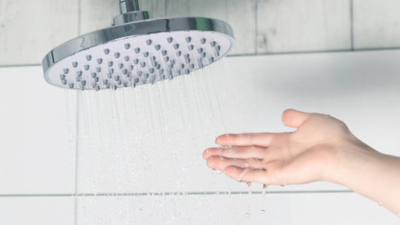
Are cold showers in winter really good for you?
When winter rolls in, most people instinctively reach for warm, comforting showers. The thought of stepping under icy water seems almost illogical, but cold showers have become a popular buzz topic due to purported health benefits. But how does this habit really and truly impact the skin when it’s colder outside? Understanding what happens to the body makes it easier for anyone to decide if this routine is actually helpful or another wellness trend.Cold water directly works on the surface of the skin. It causes tightness to the blood vessels, which can temporarily make the skin feel firm and refreshed. Some people enjoy that quick tightening effect because it gives the sensation of improved skin tone.Winter conditions which are characterized by low temperature and humidity can decrease the skin barrier function and increase the risk of dermatitis and dryness. Cold showers can further exacerbate these effects, especially in individuals with pre-existing skin conditions such as atopic dermatitis.Cold water is therefore not a magic fix. Skin needs moisture, and winter makes that ever so vital. Cold showers themselves do not hydrate skin; they only reduce moisture loss by slowing down loss of natural oils over a temporary period. Anyone who adopts this habit still needs to have a good post-shower routine to lock in hydration. A light, nourishing moisturizer applied right after bathing keeps skin soft and prevents flaking or tightness.Another thing people often notice is the sudden burst of freshness after a cold shower. That shock of cool water wakes up the senses and can improve alertness, making mornings energetic. This could be helpful for soothing the skin after working out or hanging around outside all day. Of course, this will be different for everyone. Some might feel more alert, others might find the sudden change of temperature uncomfortable or stressful in peak winter conditions.There’s also a question of balance: while hot water will dry out the skin, showers that are at an extreme temperature can be too aggressive when it’s cold outside, particularly if you have sensitive skin or tend toward redness and irritation. A middle path often works best: shorter, lukewarm showers with a quick splash of cool water toward the end. This gives a refreshing feel without shocking the skin.While cold showers can be a good habit, they are not a must if you want healthy skin. Truly important in winter is the maintenance of moisture, protection of the skin barrier, and avoidance of extremes that disrupt its natural balance. People who love taking cold showers can continue them, keeping them short and followed by good hydration. Nobody should be forced to take cold showers if they cannot bear the idea; healthy skin does not require embracing such chilling morning routines. As winter deepens, the goal is to keep your skin comfortable, nourished, and balanced. Cold showers can play a small part in that routine, but the real results come from consistent, gentle care that respects what skin needs during colder weather.Dr. Vishalakshi Viswanath, Consultant Dermatologist, KIMS Hospitals, Thane
About the Author