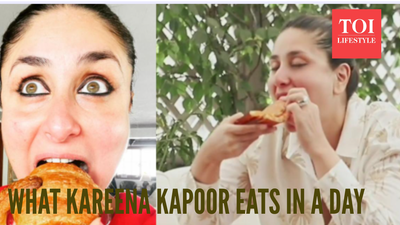
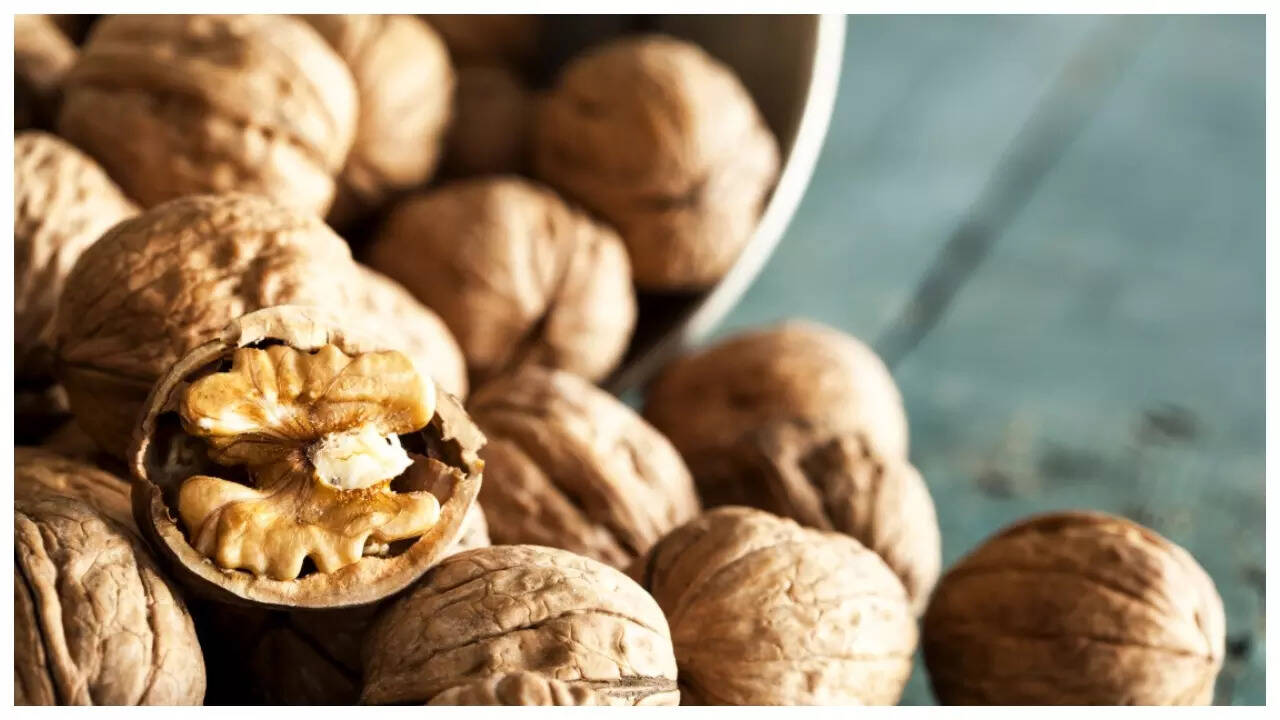
At 45, Kareena Kapoor Khan remains one of the most sought after actresses in tinsel town. Kareena, who loves to eat, makes sure that she works out to balance her love for food, and never starves herself. Celebrity nutritionist Rujuta Diwekar, who has worked with Kareena for more than a decade, recently revealed what the actress actually eats in an entire day. Rujuta, who appeared on The Lallantop, revealed that Bebo does not follow any fancy or english diets, and is a full on desi at heart, when it comes to food. Let’s see how..Kareena’s full day eating planKareena Kapoor and Rujuta started working together in 2007, and from then onwards, she more or less, eats the same things. According to Rujuta, she starts her day with some dry fruits like walnuts, almonds, raisins or figs (anjeer). Breakfast is usually paratha or poha. For lunch, if she is shooting, she prefers daal-rice, since it is easy to consume on the go. If at home, she has her usual roti-sabji fare. Evening snacks is usually a cheese toast or a seasonal shake like mango. Dinner is light, and usually includes a one pot rice dish like pulao, or khichdi with ghee. Rujuta adds, “She eats the same dinner – at least 4-5 days a week.”
What works for KareenaWhile Rujuta did not go into details of what Kareena pairs her main meals with, we can assume that apart from these, she also consumes enough protein, and also works out regularly to remain fit. However, the key takeaway from Kareena’s diet is that she does not blindly follow any fads or western diets, and relies on simple homemade fare. In various interactions, Kareena has admitted that being a punjabi, she is a big foodie, and eats to her heart’s delight, and works out enough to strike a balance. Here’s why a simple homemade meal works better than any fad diet, not just for Kareena, but everyone else…Simple homemade meals beat Western diets full of processed foods, sugars, and fats. Western eating relies on fast food, ready meals, and sodas that spike blood sugar and add empty calories. Homemade versions use fresh veggies, grains, and spices for real nutrition. People who cook at home eat more fruits and vegetables daily. This leads to better weight control and energy levels. Studies show frequent home cooking links to lower obesity risks and happier moods. It saves money too while building family bonds.
More nutrientsHomemade meals pack more vitamins and fiber because you control the ingredients. Western diets often use canned or frozen items loaded with salt and preservatives. Home cooks add fresh tomatoes, spinach, and herbs right away. A large study found people eating home-cooked meals five times a week get 62 grams more fruit and 98 grams more vegetables daily.Fresh cooking keeps vitamin C high, unlike processed foods that lose nutrients in factories. Simple dal or stir-fries absorb better with home spices like turmeric. This fights inflammation better than burgers or fries.Better portion and blood sugar controlWestern meals come in huge portions that trick your brain into overeating. Homemade food lets you serve what your body needs. You avoid hidden sugars in sauces or drinks. Frequent home eaters follow heart-healthy diets like DASH or Mediterranean more closely.Cooking steams or boils instead of deep-frying keeps calories low. Studies link home meals to normal BMI and less body fat. People cooking often have 28% lower overweight risk.Cuts processed junk Western diets overload on ultra-processed items with additives and trans fats. Homemade skips these for whole foods like rice, lentils, and yogurt. Research shows home-cooked meals have fewer chemicals like PFAS found in takeout packaging.Families eating home-prepared food report better gut health from natural fibers. Processed Western snacks cause cravings and crashes. Simple cooking stabilizes energy all day.Boosts mood, longevity, and savingsHome meals bring joy through smells and shared time, unlike eating alone from packets. Studies tie frequent cooking to higher happiness and longer life. It builds self-efficacy for healthy choices.You save cash by buying basics in bulk. Western takeout costs triple for less nutrition. Home routines teach kids good habits early.Why home food wins
- Higher veggie intake: 98g more daily from home cooking.
- Lower obesity odds: 28% less overweight risk.
- Better diet scores: Matches DASH/Mediterranean patterns.
- More vitamin C: Fresh prep preserves nutrients.
- Happier and healthier: Less sugar, more family time.
Disclaimer: This article is informational only and not a substitute for medical advice
About the Author